
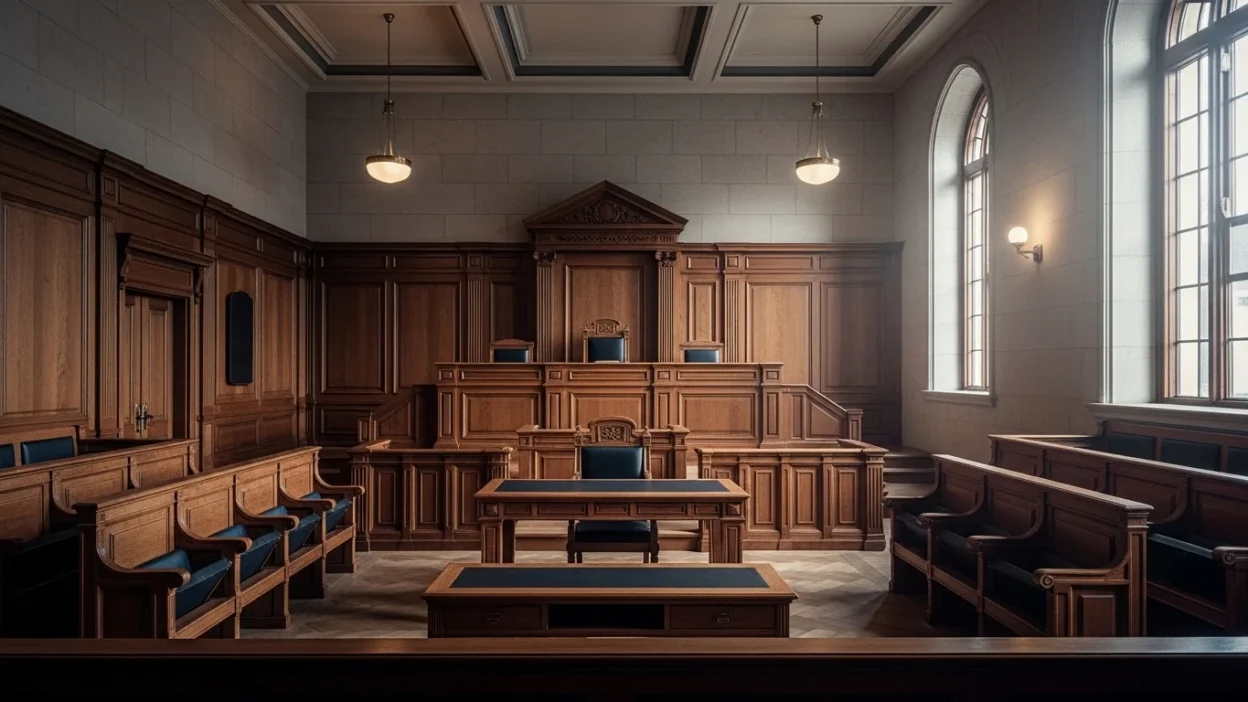
Court etiquette defines how you should behave inside a courtroom. Whether you attend as a visitor, witness, or defendant, you must follow proper court etiquette to show respect for the legal system. Every action, from how you dress to how you speak, influences how others perceive you.
Many people feel nervous or unsure about courtroom behavior. Therefore, this detailed guide explains everything clearly, including rules, examples, and expert tips so you can act confidently and respectfully.
Why Court Etiquette Matters
A courtroom represents authority, order, and justice. Your behavior must reflect seriousness and respect.
Key Reasons to Follow Court Etiquette
- You show respect to the judge and legal system
- You create a positive impression
- You avoid penalties or warnings
- You maintain order in the courtroom
- You demonstrate responsibility and discipline
When you follow court etiquette, you contribute to a professional and respectful environment.
Dress Code for Court
Dress Conservatively and Neatly
Your appearance speaks before you do. Proper clothing forms a major part of courtroom etiquette.
Recommended Attire
- Formal or business clothing
- Clean and pressed outfits
- Neutral colors
Avoid
- Casual wear like shorts or flip-flops
- Loud or flashy clothing
- Excessive accessories
Dressing appropriately shows respect and seriousness.
Behavior Inside the Courtroom
Arrive Early and Stay Prepared
Punctuality reflects discipline.
- Arrive at least 15–20 minutes early
- Turn off your phone
- Stay quiet while waiting
Being prepared supports proper court etiquette.
Stand When Required
Standing shows respect to the judge.
- Stand when the judge enters or leaves
- Stand when speaking
This rule defines basic legal etiquette.
Speak Clearly and Respectfully
Your tone and language matter.
Best Practices
- Address the judge as “Your Honor”
- Speak only when asked
- Keep answers short and clear
Polite communication strengthens your court etiquette.
Follow Instructions Carefully
Always listen and respond appropriately.
- Follow court staff directions
- Do not interrupt proceedings
- Wait for your turn to speak
Respecting authority remains essential.
Proper Conduct Rules
Maintain Silence
Courtrooms require complete focus.
- Avoid talking
- Do not react emotionally
- Stay composed at all times
Silence reflects strong court etiquette.
Show Respect Through Body Language
Non-verbal behavior matters.
- Sit upright
- Avoid slouching
- Keep movements minimal
Your posture shows discipline and respect.
Dos and Don’ts of Court Etiquette
Dos
- Dress formally
- Arrive early
- Speak respectfully
- Follow instructions
- Stay calm and composed
Don’ts
- Interrupt proceedings
- Use your phone
- Speak out of turn
- Dress casually
- Show disrespect
These habits ensure proper court etiquette.
Common Mistakes to Avoid
Using Informal Language
Casual speech reduces your credibility.
Showing Disrespect
Even small gestures can appear disrespectful.
Being Late
Late arrival disrupts proceedings.
Ignoring Instructions
Failure to follow directions creates problems.
Avoiding these mistakes improves your court etiquette significantly.
Real-Life Examples of Court Etiquette
Entering the Courtroom
You walk into a courtroom session.
Correct behavior:
- Enter quietly and take your seat
Wrong behavior:
- Talk loudly or disturb others
Speaking to the Judge
You are asked a question.
Correct behavior:
- Stand and respond respectfully
Wrong behavior:
- Speak casually or interrupt
Waiting for Your Turn
You sit while others speak.
Correct behavior:
- Remain silent and attentive
Wrong behavior:
- Use your phone or talk
These examples make court etiquette easier to follow.
Advanced Court Etiquette Tips
Stay Emotionally Controlled
Even in stressful situations, remain calm and respectful.
Listen Carefully
Pay close attention to every instruction and detail.
Be Honest
Always provide truthful answers when speaking.
These advanced tips help you master court etiquette.
FAQs
What is court etiquette?
Court etiquette refers to the proper behavior and conduct required inside a courtroom.
What should I wear to court?
You should wear formal, clean, and conservative clothing.
How should I address the judge?
You should address the judge as “Your Honor.”
Can I use my phone in court?
No, you should keep your phone off at all times.
Do I need to stand when speaking?
Yes, you should stand when addressing the judge.
Is it okay to talk in court?
No, you should remain silent unless asked to speak.
What is the most important rule in court etiquette?
Respect for the judge and the legal process is the most important rule.
Final Thoughts
Court etiquette ensures respect, order, and professionalism in legal settings.
When you dress appropriately, speak respectfully, and follow instructions, you create a strong and positive impression. Small details, such as posture and tone, make a significant difference.
By practicing proper court etiquette, you show responsibility and awareness.
These habits help you navigate any courtroom situation confidently and respectfully.

Caleb Rowan is an American content writer with a strong interest in social and digital etiquette. He creates thoughtful, approachable articles for Etiquify. His writing helps readers navigate modern conversations with professionalism, balance, and empathy.