
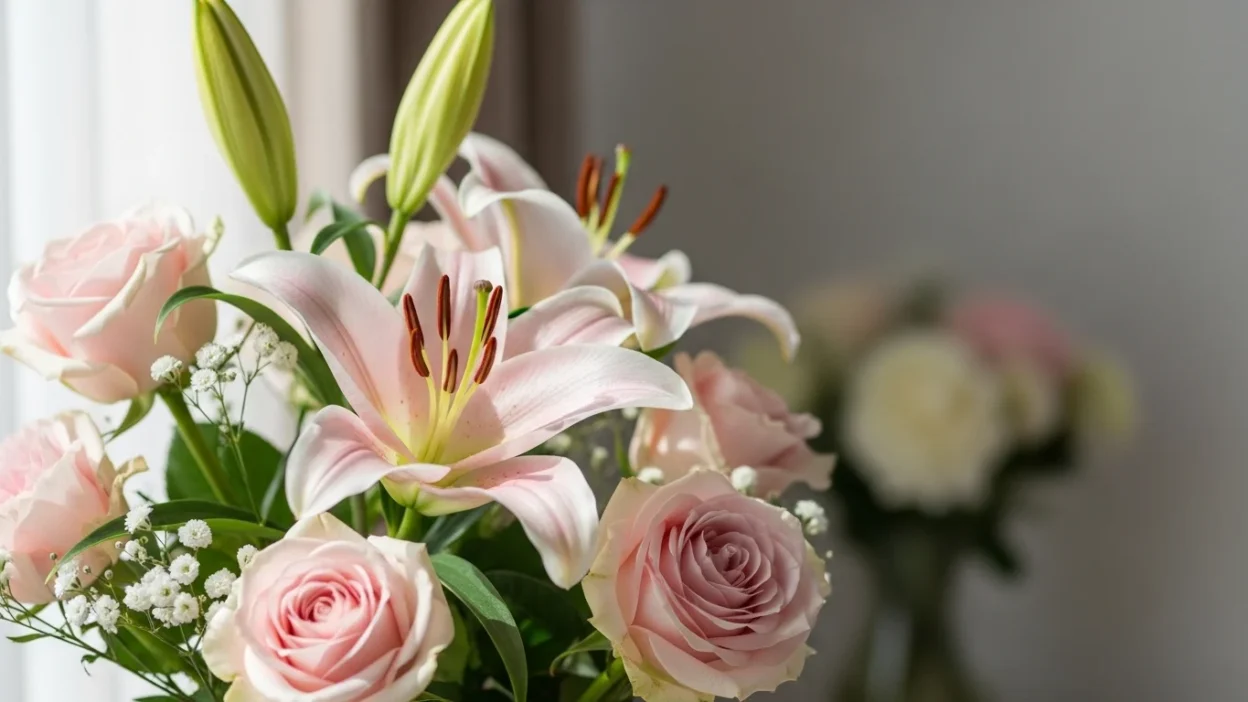
Sympathy flowers etiquette helps you express care, respect, and support during difficult times. When someone experiences loss, your gesture matters deeply. Therefore, understanding sympathy flowers etiquette ensures your flowers feel thoughtful, appropriate, and comforting rather than awkward or insensitive.
Many people feel unsure about what to send, when to send it, and what message to include. This complete guide explains everything clearly, including proper choices, timing, cultural awareness, and common mistakes to avoid.
Why Sympathy Flowers Etiquette Matters
Sending flowers during grief requires sensitivity and awareness. Your gesture should bring comfort, not confusion.
Key Reasons to Follow Sympathy Flowers Etiquette
- You show genuine respect for the family
- You provide emotional support during grief
- You avoid inappropriate choices
- You communicate compassion clearly
- You honor the memory of the deceased
When you follow sympathy flowers etiquette, your gesture feels meaningful and supportive.
When to Send Sympathy Flowers
Timing Matters Most
Timing plays a major role in funeral flower etiquette.
Best Times to Send Flowers
- Immediately after hearing the news
- Before the funeral service
- Shortly after the funeral
Sending flowers promptly shows care and awareness.
Where to Send Flowers
Location depends on your relationship with the family.
Common Options
- Funeral home
- Family residence
- Place of worship
Choosing the right location reflects proper condolence etiquette.
Choosing the Right Sympathy Flowers
Popular Flower Choices and Meanings
Different flowers carry symbolic meanings.
| Flower | Meaning |
|---|---|
| Lilies | Peace and restored innocence |
| Roses | Love and respect |
| Chrysanthemums | Honor and remembrance |
| Carnations | Admiration and affection |
| Orchids | Eternal love |
Selecting appropriate flowers strengthens your sympathy flowers etiquette.
Color Matters Too
Colors communicate emotion without words.
- White: purity and peace
- Soft pink: grace and sympathy
- Yellow: friendship and warmth
Avoid overly bright or celebratory colors unless culturally appropriate.
Writing a Sympathy Card Message
Keep It Simple and Sincere
Your message should feel genuine.
Examples
- “Thinking of you during this difficult time.”
- “With deepest sympathy and support.”
- “Sending love and comfort to your family.”
Simple words often carry the most meaning in sympathy message etiquette.
What to Avoid
- Long explanations
- Casual or humorous tones
- Personal opinions about the loss
Respectful language always matters.
Cultural Considerations in Sympathy Flowers Etiquette
Understand Cultural Differences
Different cultures follow different traditions.
Examples
- Some cultures prefer white flowers only
- Others may avoid flowers entirely
- Certain religions have specific customs
Researching beforehand shows strong funeral etiquette awareness.
Dos and Don’ts of Sympathy Flowers Etiquette
Dos
- Send flowers promptly
- Choose soft, respectful colors
- Include a thoughtful message
- Respect cultural traditions
- Consider the family’s preferences
Don’ts
- Send overly bright arrangements
- Delay your gesture too long
- Write inappropriate messages
- Ignore cultural practices
- Make the gesture about yourself
Following these rules ensures proper sympathy flowers etiquette.
Common Mistakes to Avoid
Sending the Wrong Arrangement
Large or flashy arrangements may feel inappropriate.
Forgetting the Message Card
A missing message creates confusion about the sender.
Ignoring Cultural Practices
This mistake can unintentionally offend the family.
Waiting Too Long
Delayed gestures may lose emotional impact.
Avoiding these mistakes improves your sympathy flowers etiquette significantly.
Real-Life Examples of Sympathy Flowers Etiquette
Workplace Situation
A colleague loses a loved one.
Correct behavior:
- Send a simple arrangement with a respectful message
Wrong behavior:
- Send overly personal or elaborate flowers
Close Friend Situation
A close friend experiences loss.
Correct behavior:
- Send flowers to their home with a heartfelt note
Wrong behavior:
- Delay sending or avoid acknowledging the loss
Cultural Sensitivity Scenario
You attend a funeral from a different culture.
Correct behavior:
- Research appropriate flowers
Wrong behavior:
- Send flowers without understanding traditions
These examples make sympathy flowers etiquette easier to apply.
Advanced Sympathy Flowers Etiquette Tips
Consider Alternatives
Sometimes, donations or food may feel more appropriate than flowers.
Coordinate with Others
Group arrangements can feel more meaningful and balanced.
Follow Up Later
Sending flowers after the funeral shows continued support.
These advanced tips help you master sympathy flowers etiquette.
FAQs
What are sympathy flowers?
Sympathy flowers are arrangements sent to express condolences and support to someone experiencing loss.
When should I send sympathy flowers?
You should send them as soon as possible after hearing the news or before the funeral.
What flowers are best for sympathy?
Lilies, roses, chrysanthemums, and carnations are common choices.
What should I write in a sympathy card?
Write a short, sincere message expressing support and condolences.
Is it okay to send flowers after the funeral?
Yes, sending flowers later still shows care and ongoing support.
Are there cultures where flowers are not appropriate?
Yes, some cultures prefer alternatives, so always research beforehand.
Can I send bright-colored flowers?
You should avoid bright colors unless they align with cultural traditions.
Final Thoughts on Sympathy Flowers Etiquette
Sympathy flowers etiquette helps you express compassion in a respectful and meaningful way.
When you choose appropriate flowers, send them at the right time, and include a sincere message, your gesture brings comfort during a difficult moment. Small details, such as color choice and wording, make a lasting impact.
By following proper sympathy flowers etiquette, you show empathy, awareness, and respect. Thoughtful actions ensure your support feels genuine and appreciated during times of grief.

Theo Blackmere is an American writer focused on etiquette and professional communication. He contributes insightful, well structured content to Etiquify. His writing emphasizes respect, clarity, and modern social awareness across personal and professional interactions.