
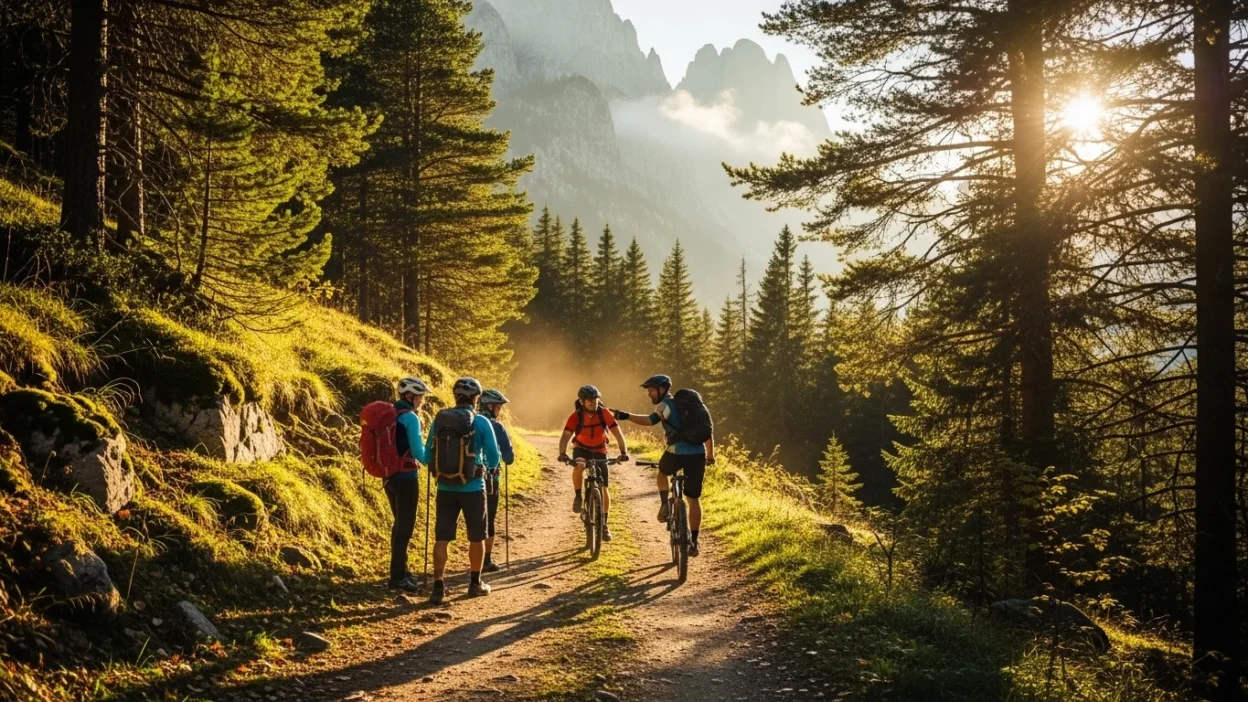
Spending time outdoors feels refreshing, yet shared trails require respect and awareness. Therefore, learning proper trail etiquette helps everyone enjoy nature safely and peacefully.
Moreover, trails often host hikers, bikers, runners, and wildlife. When you follow clear trail etiquette, you protect the environment and respect others using the same path.
Additionally, small actions—like yielding correctly or staying on marked paths—make a big difference. As a result, practicing strong trail etiquette ensures a safe, enjoyable, and responsible outdoor experience.
Why Trail Etiquette Matters
Trails bring people and nature together. Therefore, respectful behavior keeps everything balanced.
Good trail etiquette helps:
- Prevent accidents and conflicts
- Protect natural environments
- Ensure fair use of shared spaces
- Improve overall outdoor experience
- Promote safety for all users
Because nature requires care, etiquette becomes essential.
Yield the Right Way
Knowing who has the right of way prevents confusion. Therefore, always follow standard yielding rules.
Basic Yielding Rules
- Hikers yield to uphill hikers
- Bikers yield to hikers
- Everyone yields to horses
Following these rules reflects strong trail etiquette.
Stay on Marked Trails
Wandering off trails can damage the environment. Therefore, always stay on designated paths.
Helpful tips include:
- Follow trail signs
- Avoid shortcuts
- Respect protected areas
Staying on trails supports proper trail etiquette.
Keep Noise Levels Low
Nature offers peace and quiet. Therefore, minimizing noise shows respect.
Noise Etiquette
- Speak softly
- Avoid loud music
- Use headphones if needed
Quiet behavior improves your trail etiquette.
Respect Wildlife
Wildlife deserves space and protection. Therefore, observe animals from a distance.
Helpful practices include:
- Do not feed animals
- Avoid approaching wildlife
- Keep pets under control
Respecting animals reflects strong trail etiquette.
Pack In, Pack Out
Keeping trails clean is everyone’s responsibility. Therefore, take all your trash with you.
Clean Trail Tips
- Carry a small trash bag
- Pick up litter if possible
- Leave no waste behind
Clean habits strengthen your trail etiquette.
Be Mindful of Speed and Space
Different users move at different speeds. Therefore, awareness prevents accidents.
Helpful tips:
- Slow down around others
- Announce your presence when passing
- Give enough space
Awareness improves your trail etiquette.
Control Your Pets
Pets can affect others and wildlife. Therefore, manage them responsibly.
Good practices include:
- Keep pets on a leash
- Clean up after them
- Ensure they behave calmly
Responsible pet handling supports proper trail etiquette.
Respect Trail Conditions
Weather and trail conditions change frequently. Therefore, adjust your behavior accordingly.
Helpful tips:
- Avoid muddy trails when possible
- Prevent erosion by staying on paths
- Follow posted guidelines
Respecting conditions reflects strong trail etiquette.
Common Trail Etiquette Mistakes
Many people overlook simple rules.
Avoid these:
- Blocking the trail
- Playing loud music
- Leaving trash behind
- Ignoring right-of-way rules
Avoiding these improves your trail etiquette instantly.
Quick Trail Etiquette Checklist
| Situation | Proper Action |
|---|---|
| Passing others | Yield correctly |
| Path use | Stay on trail |
| Noise | Keep it low |
| Trash | Pack it out |
| Wildlife | Respect distance |
This checklist helps maintain proper trail etiquette.
Final Thoughts
Outdoor spaces deserve care and respect. Therefore, practicing proper trail etiquette ensures safety, harmony, and environmental protection for everyone.
Moreover, small actions such as yielding properly, keeping trails clean, and respecting wildlife create a better experience for all.
Ultimately, when you follow strong trail etiquette, you help preserve nature while enjoying it responsibly.
FAQs
What is trail etiquette
Trail etiquette refers to proper behavior when using shared outdoor trails.
Who has the right of way on a trail
Uphill hikers have priority, and bikers yield to hikers.
Why should I stay on marked trails
It protects the environment and prevents damage to natural areas.
Is it okay to play music on trails
No, loud music can disturb others and wildlife.
What should I do with trash on trails
Carry it with you and dispose of it properly.
How should I handle pets on trails
Keep them leashed and under control at all times.

Caleb Rowan is an American content writer with a strong interest in social and digital etiquette. He creates thoughtful, approachable articles for Etiquify. His writing helps readers navigate modern conversations with professionalism, balance, and empathy.