
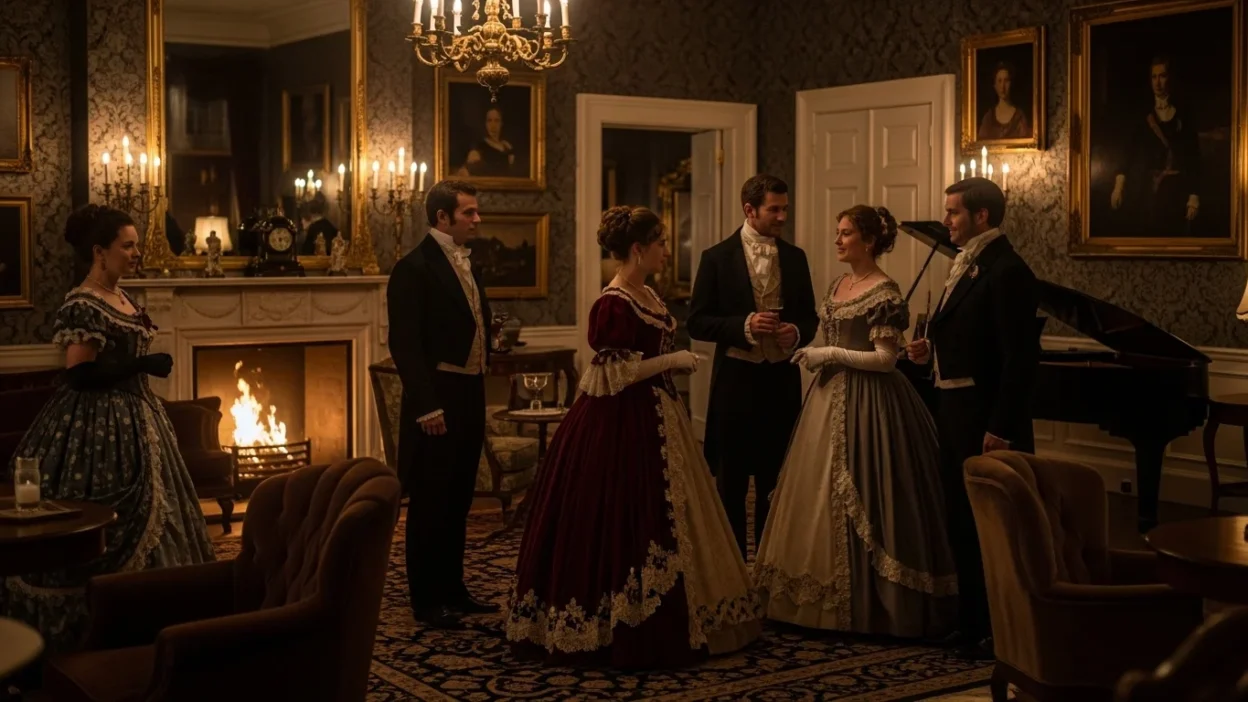
Victorian etiquette reflects a refined system of manners, discipline, and social grace that shaped behavior during the 19th century.
Even today, many modern manners come from these traditions. When you understand Victorian etiquette, you learn how people expressed respect, class, and dignity in everyday life.
Many readers feel curious about how strict and detailed these rules were. Therefore, this complete guide explains everything clearly, including social conduct, dining rules, communication styles, and practical examples.
Why Victorian Etiquette Still Matters
Victorian society valued structure, politeness, and reputation. These principles continue to influence modern manners.
Key Reasons to Learn Victorian Etiquette
- You understand the roots of modern manners
- You improve your personal discipline
- You develop refined social behavior
- You appreciate historical traditions
- You enhance communication skills
When you study Victorian etiquette, you gain timeless social awareness.
Social Behavior in Victorian Etiquette
Formal Greetings and Introductions
Introductions followed strict rules.
Key Practices
- A third person usually introduced individuals
- Younger people greeted elders first
- Gentle bows or curtsies showed respect
This system defined proper Victorian social etiquette.
Respecting Social Hierarchy
Class and status played a major role.
- Always acknowledge higher status individuals
- Show humility in interactions
- Maintain formal language
Respecting hierarchy shaped daily behavior in Victorian etiquette.
Victorian Dining Etiquette
Table Manners and Conduct
Dining required precision and discipline.
Essential Rules
- Sit upright with proper posture
- Use utensils correctly
- Wait for the host to begin
These habits formed the core of Victorian dining etiquette.
Conversation at the Table
Conversation followed polite boundaries.
Do
- Speak softly
- Choose neutral topics
Don’t
- Discuss controversial subjects
- Interrupt others
Polite conversation reflected refined Victorian etiquette.
Dress Code and Appearance
Importance of Presentation
Appearance showed social status and discipline.
For Men
- Formal suits and clean grooming
For Women
- Modest dresses and elegant accessories
Neat presentation defined proper Victorian fashion etiquette.
Communication Etiquette
Letter Writing Standards
Written communication required care and structure.
Key Elements
- Formal greetings
- Clear handwriting
- Respectful tone
Letters played a major role in Victorian communication etiquette.
Polite Language Usage
Language reflected education and class.
- Avoid slang
- Use formal expressions
- Speak with clarity
These habits strengthened Victorian etiquette.
Courtship and Relationship Etiquette
Strict Rules for Interaction
Romantic relationships followed clear boundaries.
Key Practices
- Supervised meetings
- Limited physical contact
- Respectful communication
These rules defined proper Victorian courtship etiquette.
Dos and Don’ts of Victorian Etiquette
Dos
- Show respect in all interactions
- Maintain proper posture
- Dress appropriately
- Speak politely
- Follow structured behavior
Don’ts
- Act informally in public
- Ignore social hierarchy
- Use rude language
- Display excessive emotion
- Break established norms
Following these rules ensures strong Victorian etiquette.
Common Mistakes to Avoid
Ignoring Formality
Casual behavior often appeared disrespectful.
Speaking Out of Turn
Interruptions showed poor manners.
Dressing Inappropriately
Improper clothing affected social standing.
Using Informal Language
Slang reduced perceived refinement.
Avoiding these mistakes improves your understanding of Victorian etiquette.
Real-Life Examples of Victorian Etiquette
Social Gathering
You attend a formal event.
Correct behavior:
- Wait to be introduced and greet politely
Wrong behavior:
- Approach people casually without introduction
Dining Situation
You sit at a formal dinner.
Correct behavior:
- Follow utensil rules and posture
Wrong behavior:
- Eat casually or start early
Communication Scenario
You write a letter.
Correct behavior:
- Use formal tone and structure
Wrong behavior:
- Write casually or carelessly
These examples make Victorian etiquette easier to apply.
Advanced Victorian Etiquette Tips
Practice Consistency
Etiquette required consistency in all situations.
Observe Others
People learned by watching social leaders.
Maintain Composure
Emotional control reflected discipline and class.
These advanced insights deepen your knowledge of Victorian etiquette.
FAQs
What is Victorian etiquette?
Victorian etiquette refers to the strict social rules and manners followed during the 19th century.
Why was Victorian etiquette so strict?
Society valued order, respect, and social hierarchy.
How did people greet each other in Victorian times?
They used formal introductions, bows, or curtsies.
What were Victorian dining rules?
They included proper posture, utensil use, and polite conversation.
How important was clothing in Victorian etiquette?
Clothing reflected status and social discipline.
Did Victorian etiquette influence modern manners?
Yes, many modern rules come from Victorian traditions.
What is the key principle of Victorian etiquette?
Respect and formality guide all interactions.
Final Thoughts on Victorian Etiquette
Victorian etiquette represents a structured and refined approach to social behavior.
When you follow its principles, you develop discipline, respect, and strong communication skills. Small details, such as posture, language, and appearance, create a powerful impression.
By understanding Victorian etiquette, you connect with timeless traditions that still influence modern manners. Practicing these rules helps you present yourself with confidence and elegance in any social setting.

Theo Blackmere is an American writer focused on etiquette and professional communication. He contributes insightful, well structured content to Etiquify. His writing emphasizes respect, clarity, and modern social awareness across personal and professional interactions.