
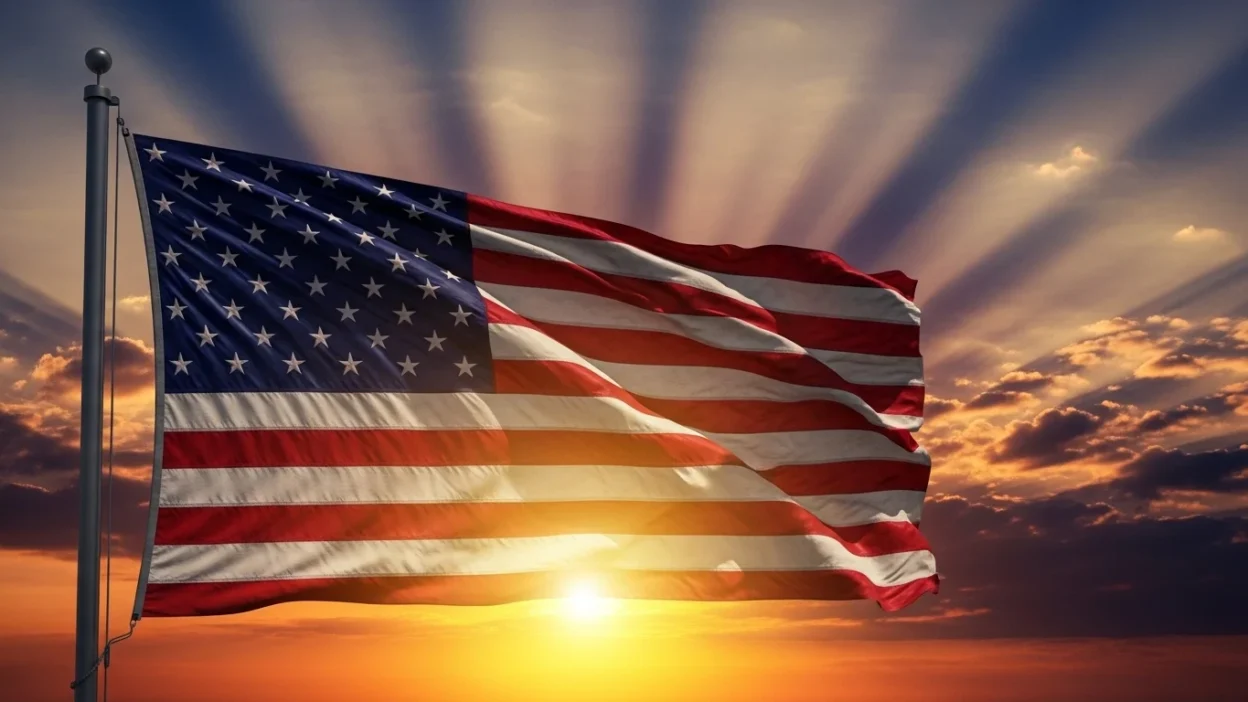
The U.S. flag represents national unity, history, and respect. Therefore, understanding proper U.S. flag etiquette helps people display and handle the flag with dignity.
Moreover, these traditions follow guidance from the United States Flag Code, which outlines respectful practices for displaying and caring for the American flag.
Additionally, correct etiquette ensures the flag always appears in a position of honor.
Consequently, learning these rules helps individuals, schools, and organizations show proper respect for this national symbol.
Meaning Behind the U.S. Flag
The American flag carries deep symbolism. Each element reflects the country’s history and identity.
Stars and Stripes Symbolism
- The 50 stars represent the fifty states of the United States.
- The 13 stripes symbolize the original colonies that formed the nation.
- The blue field, often called the union, represents unity.
Because of this symbolism, etiquette encourages respectful display and careful handling.
Proper Ways to Display the U.S. Flag
Displaying the flag correctly remains one of the most important parts of U.S. flag etiquette. Therefore, placement and positioning matter greatly.
Displaying the Flag Outdoors
- Raise the flag briskly and lower it ceremoniously.
- Display the flag from sunrise to sunset, unless illuminated at night.
- Position the U.S. flag higher than other flags when displayed together.
Consequently, the flag always appears in the place of highest honor.
Displaying the Flag on a Wall
When hung on a wall:
- The stars should appear at the top left from the viewer’s perspective.
- The union must always remain above the stripes.
These small details ensure proper respect.
Important Rules for Handling the Flag
Handling the flag properly reflects national respect. Therefore, etiquette includes several key guidelines.
Basic Respect Guidelines
- Never allow the flag to touch the ground.
- Do not use the flag as clothing, bedding, or decoration.
- Avoid placing objects on top of the flag.
- Keep the flag clean and undamaged.
Furthermore, careful handling protects the flag’s dignity.
How to Fold the U.S. Flag
Folding the flag follows a traditional ceremonial method. Because of this, many military and civic groups teach the correct folding process.
Traditional Folding Method
- First fold the flag lengthwise twice.
- Then create triangular folds starting from the striped end.
- Continue folding until only the blue field with stars remains visible.
This triangular shape symbolizes honor and remembrance.
Flying the Flag at Half-Staff
At certain times, the flag flies at half-staff to honor national mourning.
When the Flag Is Lowered
- During national tragedies
- After the passing of important leaders
- On designated remembrance days
However, etiquette requires first raising the flag fully and then lowering it to half-staff.
Retiring a Worn American Flag
Eventually, flags become worn or damaged. When that happens, proper retirement becomes necessary.
Respectful Retirement
- The preferred method involves ceremonial burning.
- Many communities hold retirement ceremonies through the American Legion or the Boy Scouts of America.
- The ceremony treats the flag with dignity and respect.
As a result, retirement honors the flag’s symbolic value.
Common U.S. Flag Etiquette Mistakes
Many people unintentionally break etiquette rules. However, learning common mistakes helps prevent them.
Mistakes to Avoid
- Allowing the flag to touch the ground
- Using the flag as clothing or table coverings
- Displaying a damaged or faded flag
- Hanging the flag upside down without reason
Therefore, awareness improves respectful display.
Flag Etiquette During the National Anthem
During the The Star-Spangled Banner, etiquette encourages respectful behavior toward the flag.
Proper Conduct
- Stand and face the flag
- Remove hats if you are not in uniform
- Place the right hand over the heart
These gestures demonstrate national respect and unity.
Teaching Flag Etiquette to Students
Schools often teach flag etiquette to promote civic understanding. Consequently, students learn the meaning behind national symbols.
Educational Approaches
- Classroom discussions about the flag’s history
- Demonstrations of proper folding
- Participation in respectful ceremonies
Through education, younger generations understand the value of respectful traditions.
Final Thoughts on U.S. Flag Etiquette
The American flag represents freedom, unity, and national pride. Therefore, learning proper U.S. flag etiquette ensures people treat this symbol with honor. By following display rules, handling the flag carefully, and respecting ceremonial traditions, individuals show appreciation for the values the flag represents.
Moreover, teaching these customs helps preserve national traditions for future generations. Ultimately, proper etiquette ensures the flag always receives the respect it deserves.
FAQ What is U.S. flag etiquette
U.S. flag etiquette includes rules and traditions that explain how to properly display and respect the American flag.
FAQ Can the U.S. flag be flown at night
Yes, the flag may fly at night if proper illumination lights the flag.
FAQ What happens if a flag becomes damaged
A worn or damaged flag should be retired respectfully, often through a ceremonial burning.
FAQ Why is the flag folded into a triangle
The triangular fold represents honor and follows a traditional ceremonial method used by military organizations.
FAQ When is the flag flown at half-staff
The flag flies at half-staff during periods of mourning or remembrance.

Caleb Rowan is an American content writer with a strong interest in social and digital etiquette. He creates thoughtful, approachable articles for Etiquify. His writing helps readers navigate modern conversations with professionalism, balance, and empathy.