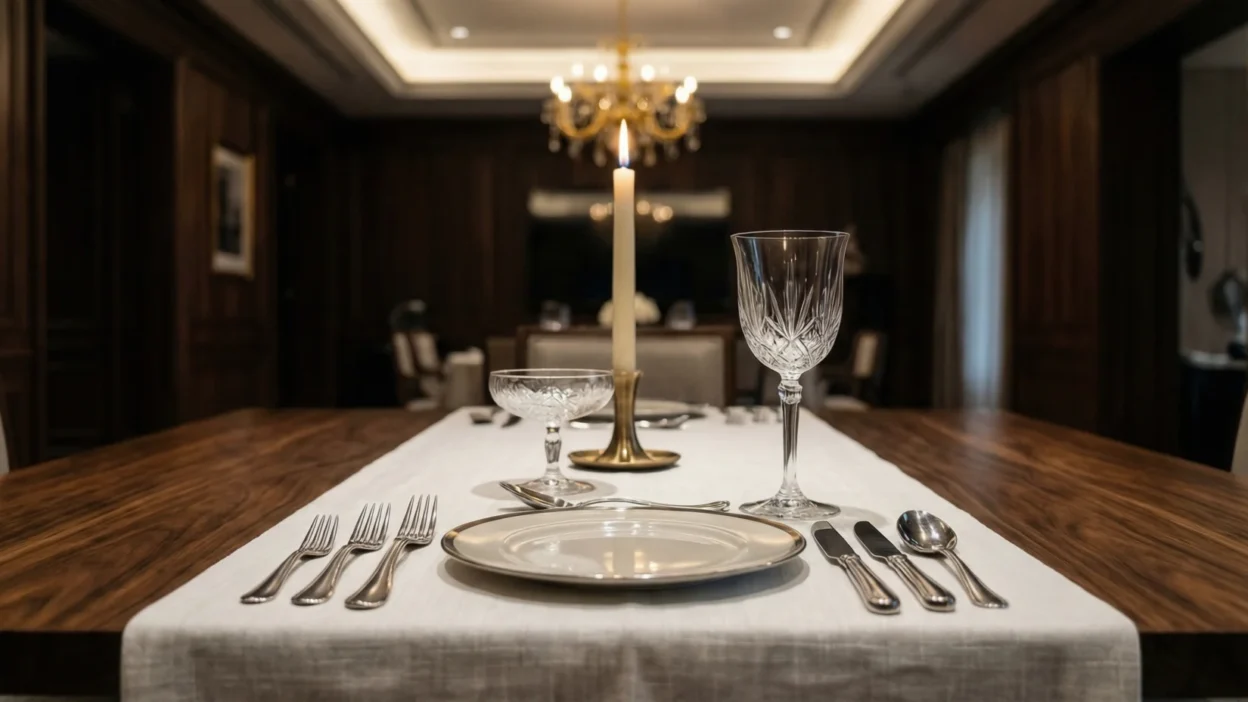
Dinner etiquette plays a key role in creating comfortable, respectful, and enjoyable dining experiences.
Although meals feel casual, behavior at the table often reflects upbringing, professionalism, and social awareness.
Therefore, understanding dinner etiquette helps people avoid embarrassment while making positive impressions.
Moreover, shared meals bring people together. As a result, polite behavior supports conversation, respect, and harmony.
When dinner etiquette is practiced consistently, dining becomes pleasant rather than stressful. This guide explains dinner etiquette clearly with practical tips, examples, and real-life guidance anyone can apply easily.
What Dinner Etiquette Means
Dinner etiquette refers to accepted rules of behavior followed during meals. While customs differ across cultures, respect, cleanliness, and consideration remain universal. Consequently, etiquette helps diners interact politely while enjoying food together.
Why Dinner Etiquette Is Important
Dinner etiquette supports smooth social interaction. Therefore, it benefits everyone at the table.
Dinner etiquette matters because:
- Meals feel comfortable and organized
- Guests feel respected
- Conversations flow naturally
- Impressions remain positive
As a result, dining experiences improve significantly.
Basic Dinner Etiquette Rules
General Table Manners
Good habits create a strong foundation.
- Sit up straight
- Place napkin on lap
- Chew with mouth closed
- Avoid talking while chewing
Therefore, simple manners show respect.
Proper Use Of Cutlery
Handling Utensils Correctly
Utensil etiquette reflects refinement.
- Start from the outside utensils
- Hold fork in left, knife in right
- Rest utensils neatly when paused
Proper handling shows awareness and control.
Napkin Etiquette At Dinner
Using Napkins Politely
Napkins serve practical purposes.
- Place napkin on lap immediately
- Dab mouth gently
- Leave napkin loosely folded after finishing
Napkin etiquette prevents mess and discomfort.
Conversation Etiquette During Dinner
Speaking And Listening Rules
Conversation sets the atmosphere.
- Speak politely
- Listen attentively
- Avoid interrupting
- Choose neutral topics
Respectful conversation keeps meals enjoyable.
Phone Etiquette At The Dinner Table
Managing Digital Distractions
Phones easily disrupt dining.
- Silence phones
- Avoid checking messages
- Keep phones off the table
Therefore, focus remains on company and conversation.
Host Dinner Etiquette
Responsibilities Of A Good Host
Hosts shape the experience.
- Welcome guests warmly
- Serve food promptly
- Consider dietary needs
- Guide seating politely
Thoughtful hosting shows care and respect.
Guest Dinner Etiquette
Proper Guest Behavior
Guests contribute equally to atmosphere.
- Arrive on time
- Compliment the food
- Follow host cues
- Offer thanks sincerely
Polite guests elevate the meal.
Formal Dinner Etiquette
Dining In Formal Settings
Formal meals require extra awareness.
- Follow seating arrangements
- Wait for everyone before eating
- Observe utensil placement
Therefore, formality remains respectful and elegant.
Dinner Etiquette Dos And Don’ts
✅ Dos
- Do wait your turn to speak
- Do pace your eating
- Do thank the host
- Do excuse yourself politely
❌ Don’ts
- Don’t slurp or chew loudly
- Don’t reach across others
- Don’t criticize food
- Don’t rush the meal
Common Dinner Etiquette Mistakes
Mistakes often occur unknowingly.
Frequent Errors
- Using phone excessively
- Poor posture
- Talking with food in mouth
- Ignoring others
Avoiding these mistakes improves dining experiences.
Cultural Differences In Dinner Etiquette
Respecting Global Traditions
Dining customs vary worldwide.
- Hand use differs by culture
- Seating rules vary
- Meal pacing changes
Therefore, cultural awareness shows respect.
Frequently Asked Questions
Why is dinner etiquette important?
It promotes respect, comfort, and positive impressions.
Is phone use acceptable during dinner?
Generally no, unless necessary.
Should guests wait before eating?
Yes, waiting shows courtesy.
Do table manners differ by culture?
Yes, customs vary widely.
Is formal dinner etiquette still relevant?
Yes, especially in professional settings.
What should guests do after dinner?
Thank the host sincerely.
Final Thoughts
Dinner etiquette supports respectful interaction, comfortable conversation, and enjoyable meals.
While rules may seem formal, their purpose remains simple: showing consideration for others.
Therefore, practicing good table manners builds confidence and strengthens relationships.
When dinner etiquette becomes a habit, every shared meal feels welcoming, pleasant, and memorable, whether dining casually at home or attending formal gatherings with friends, family, or colleagues.

Caleb Rowan is an American content writer with a strong interest in social and digital etiquette. He creates thoughtful, approachable articles for Etiquify. His writing helps readers navigate modern conversations with professionalism, balance, and empathy.