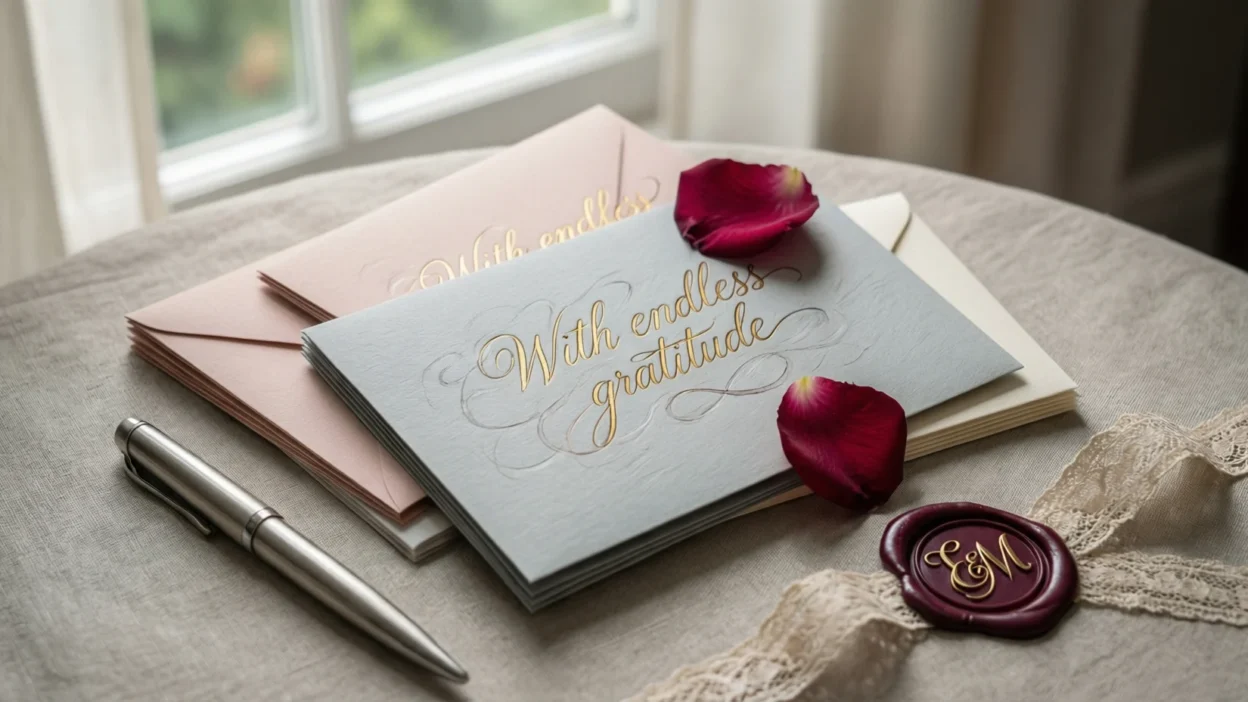
Wedding celebrations bring joy, generosity, and heartfelt support from friends and family. Therefore, expressing gratitude becomes essential.
Moreover, thank you cards serve as lasting acknowledgments of love, effort, and generosity. As a result, proper etiquette matters deeply.
Additionally, many couples feel confused about timing, wording, and formality. Consequently, mistakes happen easily. However, clear etiquette removes stress.
Ultimately, wedding thank you card etiquette ensures appreciation feels sincere, timely, and meaningful for every guest involved.
What Is Wedding Thank You Card Etiquette?
Simple Definition
Wedding thank you card etiquette refers to proper rules for writing, timing, and sending appreciation notes after weddings.
Purpose Of Thank You Cards
These cards recognize gifts, attendance, and emotional support. Therefore, gratitude becomes visible and lasting.
Why Wedding Thank You Cards Matter
Showing Genuine Appreciation
Firstly, guests invest time and money. Therefore, acknowledgment is respectful.
Strengthening Relationships
Moreover, gratitude deepens bonds. Consequently, relationships feel valued.
Honoring Traditional Manners
Additionally, thank you notes reflect timeless etiquette. As a result, courtesy remains alive.
When To Send Wedding Thank You Cards
Ideal Timeframe
Send cards within three months. Therefore, appreciation feels timely.
Late Cards Etiquette
If delayed, still send them. Consequently, sincerity outweighs timing.
How To Write Wedding Thank You Cards
Personalizing Each Message
Mention the specific gift or action. Therefore, notes feel thoughtful.
Keeping The Tone Warm
Write sincerely and warmly. Consequently, emotions feel genuine.
Proper Thank You Card Wording
What To Include
Thank the guest, mention the gift, and express appreciation. Therefore, completeness matters.
What To Avoid
Avoid generic phrases. Consequently, messages stay meaningful.
Thank You Cards For Cash Gifts
Acknowledging Monetary Gifts
Thank guests without mentioning amounts. Therefore, discretion remains intact.
Expressing Intended Use
Mention how the gift helps you. Consequently, appreciation feels personal.
Thank You Cards For Attendance Only
Guests Without Gifts
Thank them for attending. Therefore, presence feels valued.
Long-Distance Guests
Acknowledge effort or travel. Consequently, kindness feels recognized.
Handwritten Vs Printed Cards
Why Handwritten Is Preferred
Handwritten notes feel personal. Therefore, etiquette favors them.
When Printed Is Acceptable
Large weddings may require printed notes. Consequently, personalization still helps.
Common Wedding Thank You Card Mistakes
Frequent Errors
Delaying cards, copying messages, or forgetting names creates issues. Additionally, rushed wording feels impersonal.
How To Avoid Them
Plan early and stay organized. Moreover, write gradually.
Benefits Of Proper Thank You Card Etiquette
Emotional Impact
Guests feel appreciated and respected. Therefore, goodwill grows.
Social Grace
Moreover, etiquette reflects maturity. As a result, couples leave positive impressions.
Frequently Asked Questions About Wedding Thank You Cards
Do both partners need to sign?
Yes, both names should appear.
Is email acceptable instead of cards?
Traditional cards are preferred.
Can thank you cards be delayed?
Yes, but sending late is better than never.
Should parents send thank you cards?
Only if they received gifts directly.
Is it okay to reuse wording?
Avoid repetition when possible.
Final Thoughts
Wedding thank you card etiquette reflects gratitude, grace, and emotional intelligence. Therefore, thoughtful messages strengthen relationships and honor generosity.
Moreover, timely and personalized cards leave lasting impressions. As a result, couples demonstrate respect, maturity, and appreciation while preserving meaningful traditions that guests will remember fondly.
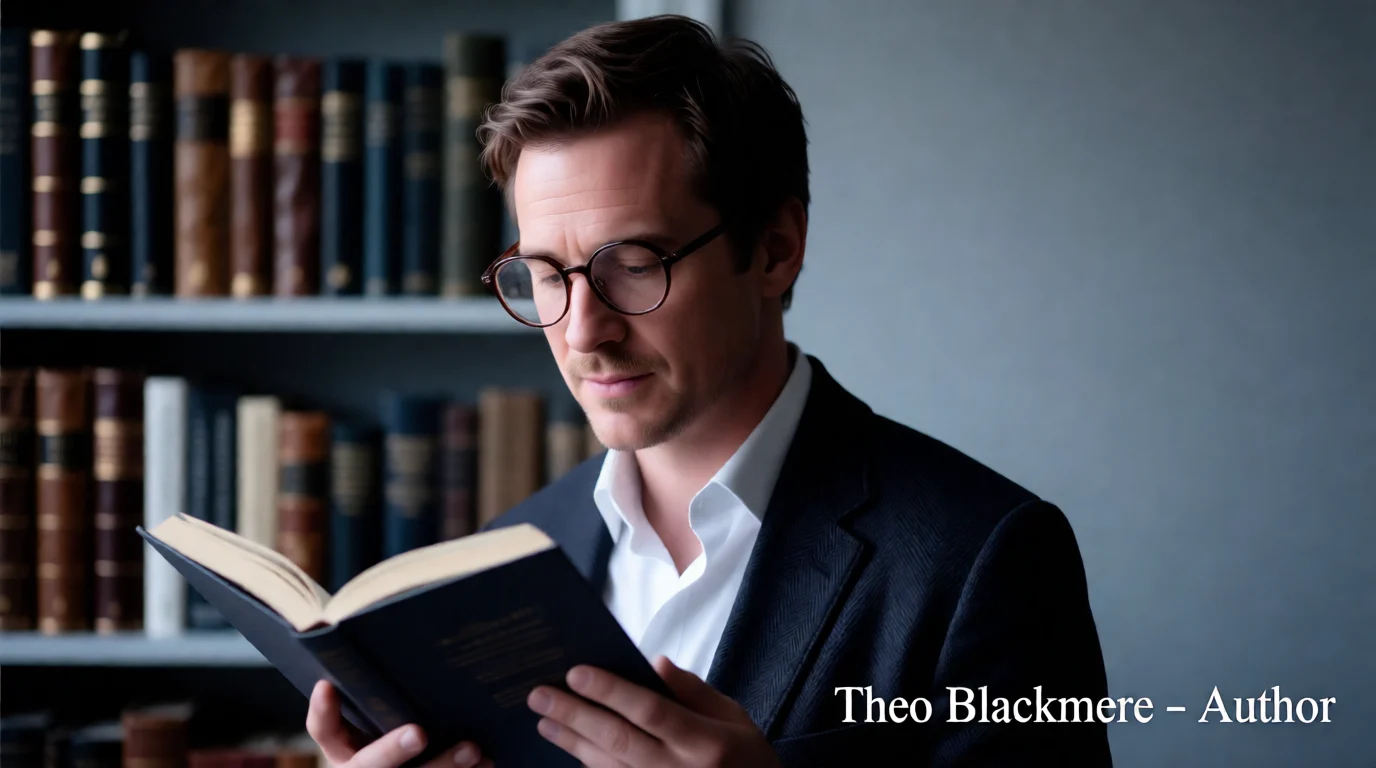
Theo Blackmere is an American writer focused on etiquette and professional communication. He contributes insightful, well structured content to Etiquify. His writing emphasizes respect, clarity, and modern social awareness across personal and professional interactions.