
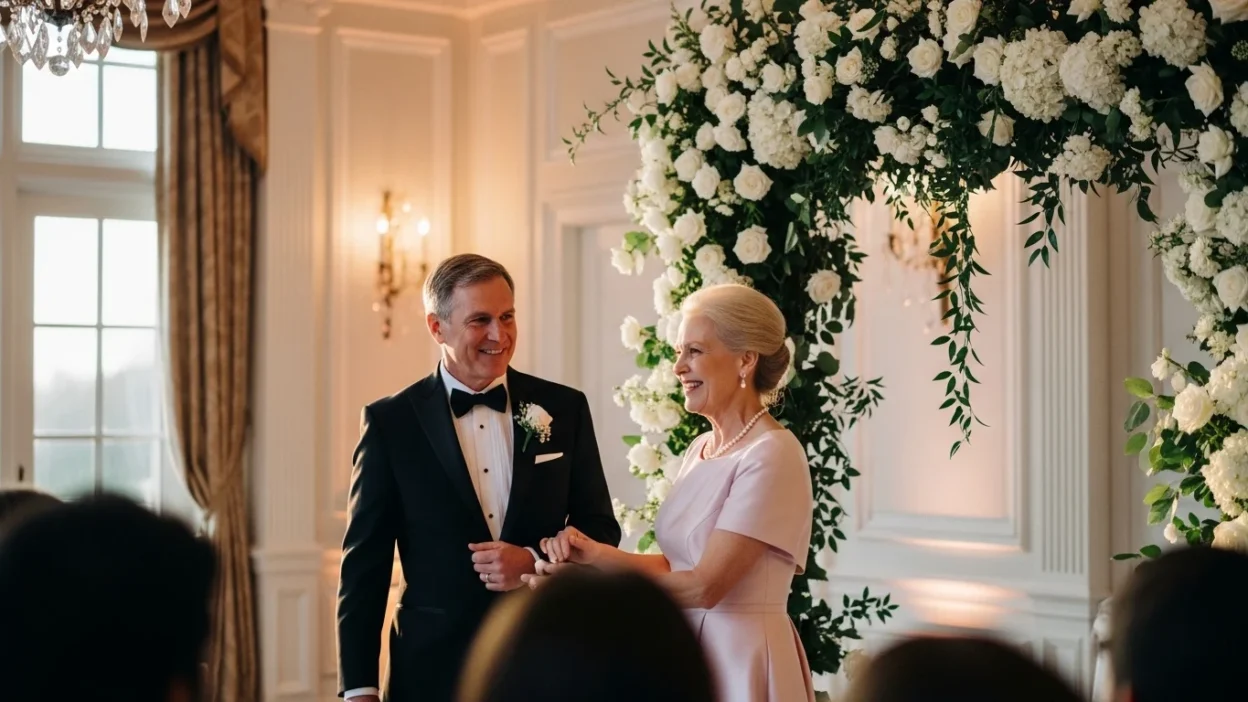
Weddings unite two families, and wedding etiquette for parents of the groom helps ensure harmony, respect, and support throughout the celebration. Although traditions vary, the groom’s parents play an important role before, during, and after the wedding day.
Moreover, thoughtful behavior strengthens family relationships. By communicating clearly, respecting boundaries, and supporting the couple’s vision, parents contribute to a joyful and stress-free event. Because modern weddings often blend cultures and preferences, flexibility matters more than rigid rules.
This guide outlines responsibilities, financial expectations, attire guidance, hosting duties, and common mistakes to avoid.
Understanding the Traditional Role
Historically, responsibilities were divided.
Traditional Expectations
In many cultures, the bride’s family hosted and financed the wedding. Meanwhile, the groom’s parents traditionally covered:
- The rehearsal dinner
- Groom’s attire
- Marriage license fees
- Officiant fee (in some traditions)
- Honeymoon contribution (optional)
However, modern weddings often share costs more equally.
Financial Contributions Today
Finances vary by family agreement.
Modern Cost Sharing
Today, couples frequently fund their own weddings. Therefore, wedding etiquette for parents of the groom emphasizes communication rather than obligation.
Helpful financial etiquette
- Offer support without pressure
- Clarify expectations early
- Respect the couple’s budget decisions
Open discussion prevents misunderstandings.
Hosting the Rehearsal Dinner
The rehearsal dinner remains a common responsibility.
Rehearsal Dinner Etiquette
Traditionally hosted by the groom’s parents, this event includes:
- Immediate family
- Wedding party
- Close friends
Good etiquette includes coordinating with the couple and avoiding overshadowing the main event.
Supporting the Couple’s Decisions
Respect builds harmony.
Avoiding Interference
Parents should:
- Offer advice only when requested
- Avoid criticizing wedding plans
- Respect venue and vendor choices
Supportive behavior reflects proper wedding etiquette for parents of the groom.
Relationship with the Bride’s Family
Cooperation matters.
Building Positive Connections
Warm communication helps unite families.
Best practices
- Introduce yourselves early
- Offer help respectfully
- Maintain friendly tone
Courtesy strengthens the entire celebration.
Attire Etiquette for Parents of the Groom
Dress should complement the event.
Coordinating Outfits
The groom’s mother typically coordinates attire with:
- The bride
- The mother of the bride
Avoid wearing white or overly flashy outfits that distract attention.
The groom’s father should follow the dress code and match the wedding’s formality level.
Wedding Day Responsibilities
Presence matters more than control.
Key Day-of Roles
- Greet guests warmly
- Support the groom emotionally
- Participate in family photos
- Assist with guest hospitality
Calm, welcoming energy defines strong wedding etiquette for parents of the groom.
Speech and Toast Etiquette
Toasts require preparation.
Giving a Meaningful Speech
If offering a toast:
- Keep it brief
- Avoid embarrassing stories
- Express gratitude and love
A sincere, respectful tone leaves a lasting impression.
Handling Guest Lists and Invitations
Guest coordination requires sensitivity.
Invitation Considerations
If contributing financially, parents may receive a portion of the guest list. However, final decisions should respect the couple’s wishes.
Clear communication prevents tension.
After-Wedding Etiquette
Support continues beyond the ceremony.
Post-Wedding Courtesy
- Thank guests who traveled
- Express appreciation to the bride’s family
- Welcome the new spouse warmly
Kind gestures strengthen long-term relationships.
Common Mistakes to Avoid
Awareness prevents conflict.
Frequent Errors
- Overstepping planning decisions
- Criticizing traditions
- Making financial demands
- Competing with the bride’s family
Respect and flexibility maintain harmony.
Wedding Etiquette Dos and Don’ts for Parents of the Groom
| Do | Don’t |
|---|---|
| Offer support | Take control |
| Communicate clearly | Create tension |
| Dress appropriately | Seek attention |
| Welcome the bride warmly | Criticize choices |
Real-Life Examples
Example: Budget Discussion
Parents offer a set contribution and allow the couple full control.
Example: Rehearsal Dinner
The event feels intimate and complementary to the wedding theme.
Example: Wedding Day
Parents greet guests warmly and avoid logistical interference.
Each example reflects proper wedding etiquette for parents of the groom.
Why Proper Etiquette Matters
Weddings create lifelong memories.
Long-Term Benefits
- Stronger family bonds
- Reduced stress
- Positive first impressions
- Smooth wedding planning
Supportive behavior builds unity.
Final Thoughts on Wedding Etiquette for Parents of the Groom
Wedding etiquette for parents of the groom centers on support, communication, and respect. While traditions provide guidance, modern weddings prioritize collaboration and flexibility.
By offering help without control, dressing appropriately, and welcoming the bride’s family warmly, parents contribute to a joyful celebration.
Ultimately, your role is to support your child and embrace a new family member. When handled thoughtfully, your presence enhances the experience for everyone involved.
FAQ,s
What are parents of the groom traditionally responsible for?
Typically hosting the rehearsal dinner and contributing financially.
Should parents of the groom help plan the wedding?
Only if the couple requests assistance.
Can parents invite their own guests?
Yes, if agreed upon with the couple.
What should the groom’s mother wear?
An outfit coordinated with the bride and wedding theme.
Are parents expected to give a speech?
It depends on tradition, but brief toasts are common.
How should parents treat the bride’s family?
With warmth, respect, and cooperation.

Caleb Rowan is an American content writer with a strong interest in social and digital etiquette. He creates thoughtful, approachable articles for Etiquify. His writing helps readers navigate modern conversations with professionalism, balance, and empathy.