Clear communication becomes essential whenever people rely on walkie talkies for safety, coordination, or teamwork. Walkie talkie etiquette ensures messages stay understandable, respectful, and efficient, especially in fast moving environments.
Because these devices operate on shared channels, poor communication habits can quickly create confusion or even danger.
Moreover, walkie-talkies lack facial cues and tone clarity. Therefore, etiquette helps replace missing context with structure and discipline.
Whether you are using radios at work, during events, on construction sites, while hiking, or for security purposes, proper walkie talkie etiquette keeps everyone aligned and calm.
This guide explains real rules, practical tips, and everyday examples so you can communicate professionally and confidently.
What Is Walkie Talkie Etiquette?
Walkie talkie etiquette refers to the accepted communication rules that make radio conversations clear, polite, and efficient.
Why Walkie Talkie Etiquette Matters
- Prevents message overlap
- Reduces misunderstandings
- Keeps channels open for emergencies
- Maintains professional communication
Because many users share one channel, etiquette protects order.
Basic Rules of Walkie Talkie Communication
Strong habits create smooth conversations.
Think Before You Speak
Always organize your message mentally.
Best practices
- Keep messages short
- Use clear language
- Avoid unnecessary chatter
Clarity supports effective walkie talkie etiquette.
Proper Use of Call Signs
Call signs identify who is speaking.
Why Call Signs Are Important
Without visual cues, identification matters.
Correct format
- Call the recipient first
- State your call sign second
Example:
“Control, this is Site Alpha.”
This structure avoids confusion.
Push-to-Talk Timing
Timing affects clarity.
Pause Before Speaking
Radios cut off early words.
Helpful habit
- Press the button
- Pause one second
- Begin speaking
This simple step improves walkie talkie etiquette instantly.
Speaking Clearly and Professionally
Tone replaces body language.
How to Speak Properly
- Speak slowly
- Use normal volume
- Enunciate clearly
Avoid shouting or whispering. Calm delivery sounds professional.
Avoiding Channel Interference
Shared channels require discipline.
How to Keep Channels Clear
- Listen before transmitting
- Wait for silence
- Avoid interrupting
Interruptions break proper walkie talkie etiquette and slow operations.
Using Standard Radio Language
Simple words prevent confusion.
Common Professional Terms
- “Copy” – message received
- “Stand by” – wait
- “Repeat” – say again
Avoid slang or jokes, especially in work environments.
Handling Emergencies Correctly
Emergencies override routine communication.
Emergency Communication Etiquette
- State “Emergency” clearly
- Keep message brief
- Remain calm
Emergency discipline is a critical part of walkie talkie etiquette.
Walkie Talkie Etiquette in Professional Settings
Different environments demand extra care.
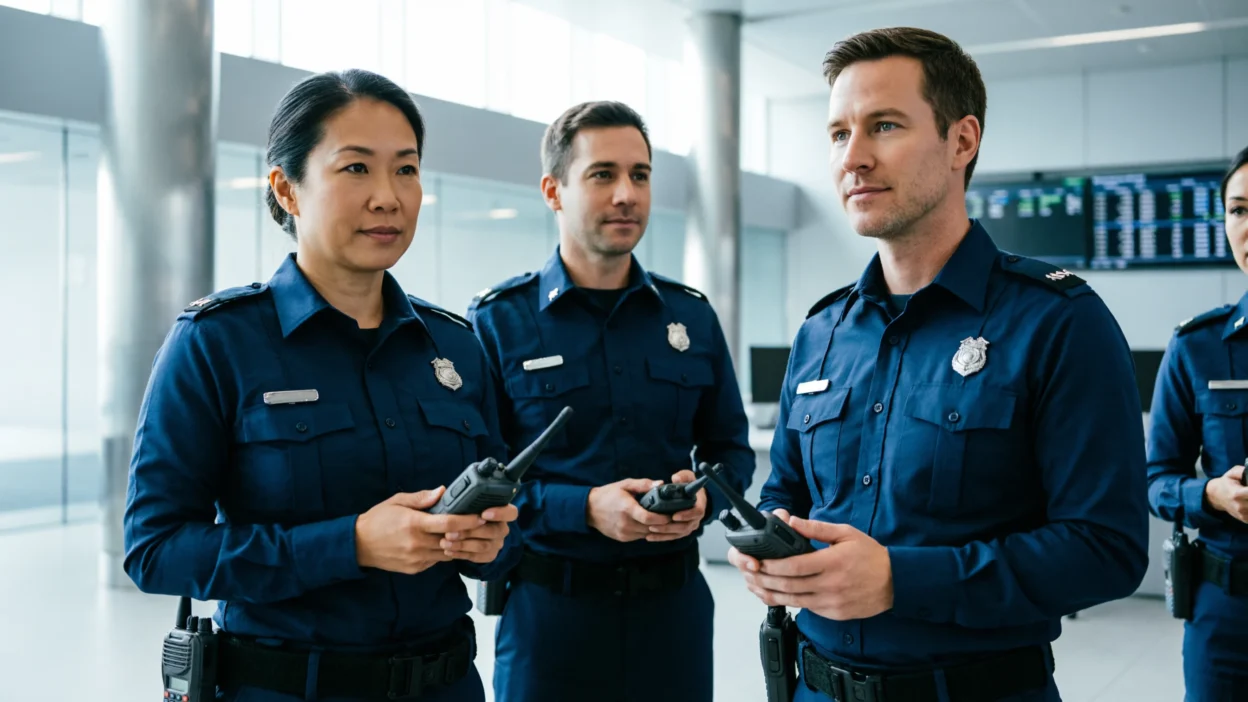
Workplace and Security Use
- Follow chain of command
- Maintain neutral tone
- Stick to assigned channels
Professionalism protects credibility and safety.
Walkie Talkie Etiquette for Casual Use
Recreational use still needs structure.
Hiking, Camping, and Events
- Respect shared frequencies
- Keep messages friendly but brief
- Avoid unnecessary noise
Good habits still apply outside work.
Common Walkie Talkie Mistakes
Awareness prevents errors.
Mistakes to Avoid
- Talking too long
- Forgetting call signs
- Speaking too fast
- Blocking emergency traffic
Avoiding these improves walkie talkie etiquette significantly.
Walkie Talkie Etiquette Dos and Don’ts
| Do | Don’t |
|---|---|
| Pause before speaking | Cut off others |
| Use call signs | Use slang |
| Stay brief | Overshare |
| Listen first | Interrupt |
Real-Life Walkie Talkie Examples
Example: Event Coordination
Staff use call signs, short messages, and clear confirmations.
Example: Construction Site
Workers pause before speaking and prioritize safety updates.
Example: Outdoor Group Activity
Participants keep messages minimal to preserve battery and clarity.
Each example shows walkie talkie etiquette in action.
Why Walkie Talkie Etiquette Improves Communication
Good etiquette saves time and reduces stress.
Long-Term Benefits
- Faster coordination
- Fewer misunderstandings
- Better teamwork
- Increased safety
Respectful communication strengthens every operation.
Final Thoughts on Walkie Talkie Etiquette
Walkie talkie etiquette is about clarity, respect, and control. By using call signs, speaking clearly, pausing properly, and keeping messages concise, you create communication that works smoothly under pressure. These habits reduce confusion and increase trust among users.
Ultimately, strong etiquette turns walkie talkies into powerful tools rather than sources of frustration.
When everyone follows the same communication standards, messages stay clear, channels remain open, and teamwork improves dramatically.
FAQ,s
What is proper walkie talkie etiquette?
It involves clear speech, call signs, short messages, and respectful channel use.
Why should you pause before speaking?
Pausing prevents the first words from being cut off.
Are walkie talkies meant for casual chatting?
No, excessive chatter blocks important communication.
What does “copy” mean on a walkie talkie?
It confirms that the message was received and understood.
How do you handle emergencies on walkie talkies?
Clearly announce “Emergency” and keep messages short and calm.
Can poor etiquette cause safety issues?
Yes, unclear communication can delay responses and create risks.

Theo Blackmere is an American writer focused on etiquette and professional communication. He contributes insightful, well structured content to Etiquify. His writing emphasizes respect, clarity, and modern social awareness across personal and professional interactions.