
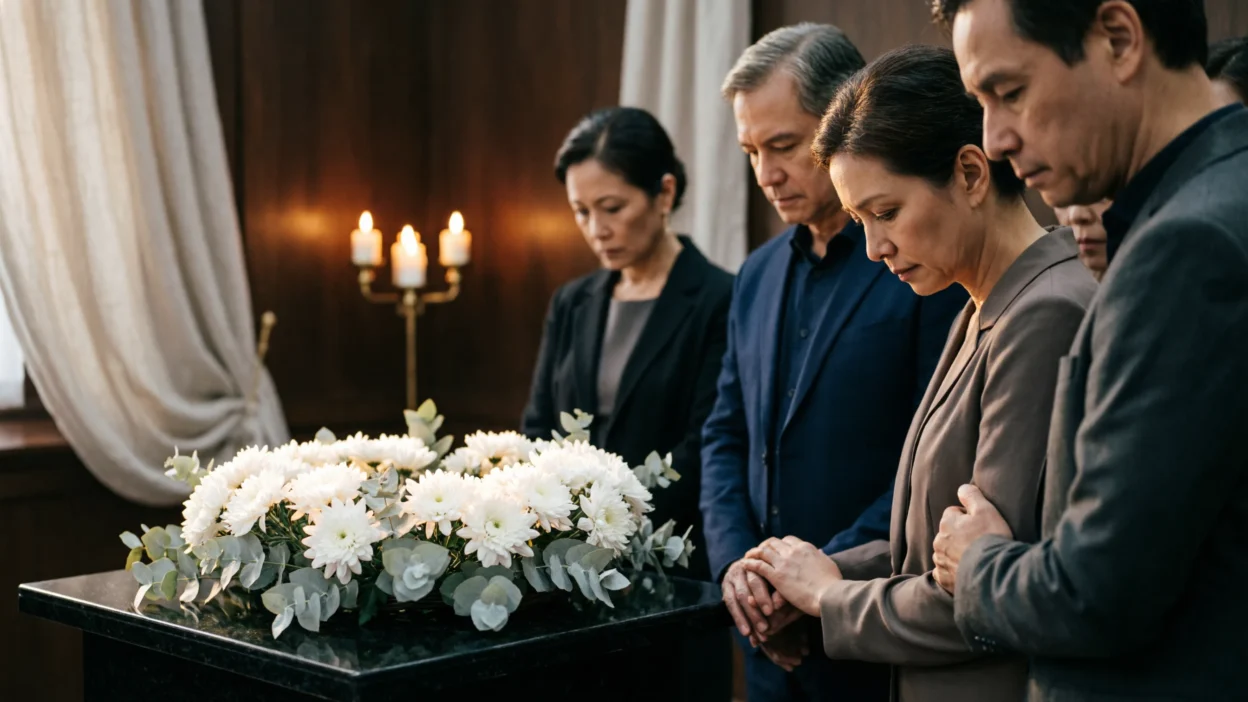
Wake etiquette reflects compassion, dignity, and quiet support for grieving families.
Because a wake provides an opportunity to offer condolences before a funeral, understanding proper behavior is essential.
Whether the gathering takes place in a private home or at a funeral home in countries like United States or Ireland, respectful conduct brings comfort during a difficult time.
Moreover, small gestures of sensitivity can mean a great deal to those grieving.
Dress Conservatively
Appearance should reflect solemnity.
Choose Muted Colors
Black, navy, gray, or other subdued tones are appropriate.
Avoid Flashy Accessories
Keep jewelry and makeup simple and understated.
Arriving At The Wake
Your presence itself shows support.
Greet The Family First
Offer condolences to immediate family members before socializing.
Keep Words Simple
A sincere “I’m so sorry for your loss” is enough. There is no need for lengthy speeches.
Viewing The Deceased
If an open casket is present, approach respectfully.
Pause Briefly
Spend a quiet moment in reflection if you feel comfortable.
Maintain Composure
Avoid taking photos or using your phone near the casket.
Conversation Guidelines
Wakes balance grief with remembrance.
Speak Softly
Maintain a gentle tone throughout the gathering.
Share Positive Memories
If appropriate, recall kind stories about the deceased.
Avoid Controversial Topics
This is not the time for debates or personal grievances.
Cultural Variations
Practices differ across cultures.
Traditional Irish Wakes
In parts of Ireland, wakes may include storytelling, food, and extended community gatherings.
Religious Settings
If held in a church, such as those found in cities like Boston, follow house-of-worship decorum.
Children At A Wake
Children may attend depending on family preference.
Prepare Them Gently
Explain what to expect in age-appropriate language.
Ensure Respectful Behavior
Quiet conduct is expected.
Offering Support
Support extends beyond words.
Send Flowers Or Food
If culturally appropriate, send a thoughtful arrangement or meal.
Follow Up Later
Grief continues after the wake ends, so checking in later shows lasting care.
Common Wake Etiquette Mistakes
Avoid these frequent missteps:
- Wearing overly bright or casual clothing
- Speaking loudly or laughing excessively
- Sharing insensitive stories
- Staying too long if the family appears overwhelmed
- Focusing attention on yourself
Sensitivity is always the guiding principle.
Why Wake Etiquette Matters
A wake provides space for shared mourning and remembrance. Because emotions run deep, respectful behavior offers comfort and stability. Furthermore, thoughtful conduct honors the life of the deceased and supports those left behind. When guests follow proper etiquette, the atmosphere remains dignified and compassionate.
Final Thoughts On Wake Etiquette
Wake etiquette centers on empathy, simplicity, and quiet respect. By dressing modestly, speaking gently, and offering sincere condolences, you show meaningful support.
Additionally, honoring cultural and religious traditions demonstrates awareness and compassion.
Since grief affects everyone differently, patience and understanding are essential. Ultimately, your respectful presence can provide comfort and reassurance during one of life’s most difficult moments.
FAQ,s
What should I say at a wake?
A simple, heartfelt expression of sympathy is appropriate.
Is it necessary to view the body?
No, it is a personal choice.
How long should I stay?
Stay long enough to greet the family and offer condolences.
Can I bring children?
Yes, if they can behave respectfully.
Should I bring a gift?
Flowers, food, or a sympathy card are appropriate.
Is it okay to share memories?
Yes, if they are kind and respectful.

Caleb Rowan is an American content writer with a strong interest in social and digital etiquette. He creates thoughtful, approachable articles for Etiquify. His writing helps readers navigate modern conversations with professionalism, balance, and empathy.