
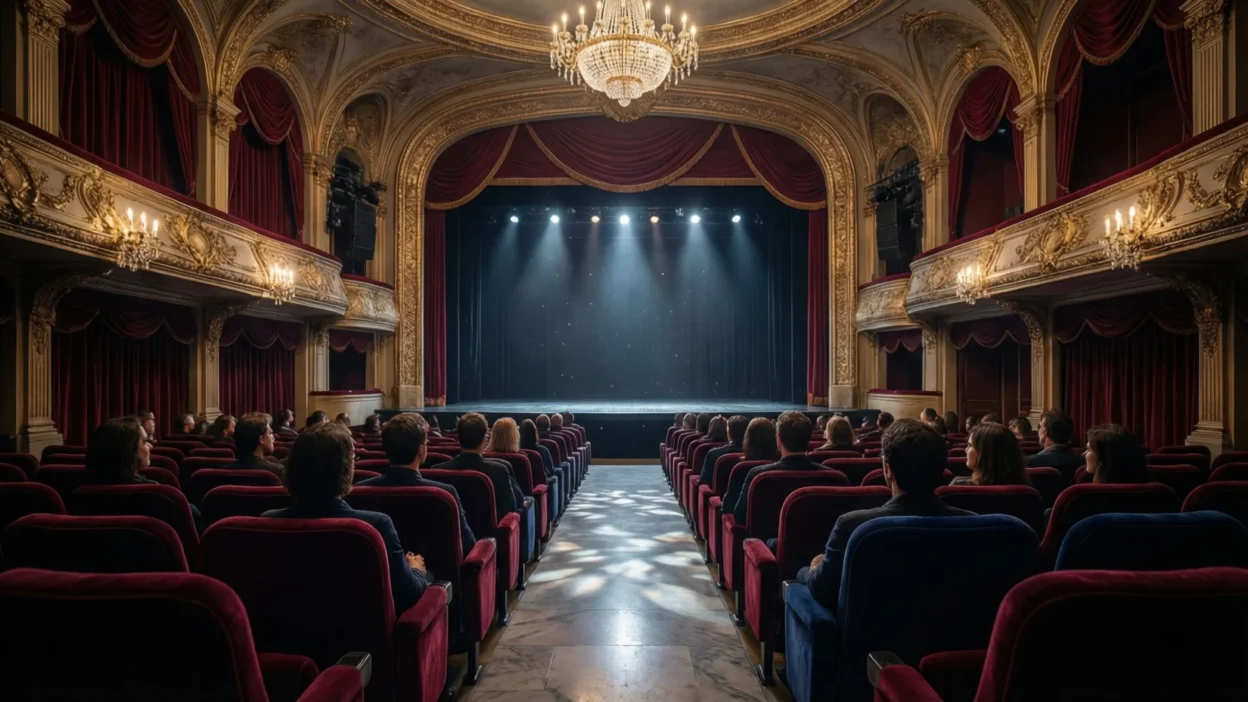
Attending a live performance feels exciting and memorable. However, proper theatre etiquette plays a major role in the overall experience. Therefore, understanding how to behave in a theatre helps protect the performance atmosphere.
Moreover, good theatre etiquette shows respect for performers, staff, and fellow audience members. As a result, everyone enjoys the show without distractions.
Additionally, theatres create shared emotional experiences. Consequently, even small disruptions can affect many people. Furthermore, modern theatres combine tradition with contemporary expectations. Ultimately, learning theatre etiquette ensures comfort, appreciation, and enjoyment for all.
What Is Theatre Etiquette?
Clear Definition
Theatre etiquette refers to the accepted rules of behavior audiences follow before, during, and after a live performance. Essentially, it focuses on respect, attentiveness, and courtesy.
Purpose Of Theatre Etiquette
Historically, theatre etiquette developed to honor performers’ efforts. Therefore, maintaining silence and focus remains essential today.
Why Theatre Etiquette Is Important
Respects Performers
Firstly, performers rely on audience focus. Therefore, etiquette supports their work and concentration.
Enhances Audience Experience
Moreover, distractions reduce enjoyment. Consequently, proper etiquette benefits everyone present.
Preserves Theatre Culture
Additionally, etiquette protects long-standing traditions. As a result, theatre remains a refined art form.
Theatre Etiquette Before The Show
Arriving On Time
Arriving early matters greatly. Therefore, late entry disrupts others. Moreover, early arrival allows settling comfortably.
Dressing Appropriately
Attire depends on the venue. Consequently, checking dress expectations helps. Still, neat and respectful clothing works best.
Reading Theatre Rules
Many theatres post guidelines. Therefore, reviewing them prevents confusion later.
Seating And Movement Etiquette
Finding Your Seat
Locate seats calmly. Therefore, avoid blocking views. Additionally, apologize politely if passing others.
Staying Seated
Remain seated during performances. Consequently, movement distractions are minimized.
Theatre Etiquette During The Performance
Silence Is Essential
Silence shows respect. Therefore, whispering and talking should be avoided completely.
Phone Use Rules
Phones must be silenced and hidden. Consequently, screens should never light up.
Food And Drink Behavior
If allowed, eat quietly. Therefore, noisy packaging should be avoided.
Applause And Reaction Etiquette
When To Applaud
Applaud at appropriate moments. Typically, applause follows scenes or performances.
Avoid Overreacting
Excessive cheering disrupts flow. Therefore, balanced reactions matter.
Theatre Etiquette At Intermission
Leaving Your Seat
Move calmly during breaks. Therefore, avoid rushing or pushing.
Returning On Time
Be seated before the performance resumes. Consequently, interruptions are prevented.
Theatre Etiquette For Children
Preparing Children
Children should understand rules beforehand. Therefore, explaining expectations helps greatly.
Choosing Appropriate Shows
Select age-appropriate performances. Consequently, children remain engaged and respectful.
Theatre Etiquette Dos And Don’ts
What You Should Do
- Arrive early
- Silence electronic devices
- Sit attentively
- Applaud respectfully
What You Should Avoid
- Talking during scenes
- Using phones
- Blocking views
- Leaving mid-performance unnecessarily
Following these rules reflects excellent theatre etiquette.
Common Theatre Etiquette Mistakes
Frequent Errors
Many people forget to silence phones. Additionally, late arrivals disrupt others. However, awareness prevents these issues.
How To Avoid Mistakes
Meanwhile, preparation helps. Moreover, observing others guides behavior naturally.
Cultural Differences In Theatre Etiquette
International Variations
Different countries follow unique customs. Therefore, learning local expectations helps travelers.
Modern Theatre Spaces
Contemporary theatres may feel relaxed. Still, respect remains essential.
Benefits Of Practicing Theatre Etiquette
Better Performances
Firstly, performers perform better. Secondly, audiences focus more deeply.
Enjoyable Shared Experience
Moreover, etiquette strengthens collective enjoyment. As a result, memories improve.
Frequently Asked Questions
Should phones be completely turned off?
Yes, phones should be silenced and put away.
Is it okay to leave during the performance?
Only in emergencies, preferably during intermission.
Can you eat during a show?
Only if allowed and quietly.
When should applause happen?
At appropriate breaks or the end of performances.
Is theatre etiquette different for musicals?
Basic rules remain the same, though reactions may vary.
Do children need to follow theatre etiquette?
Yes, children should follow the same rules.
Final Thoughts
Theatre etiquette protects the magic of live performances. Therefore, understanding proper audience behavior enhances enjoyment for everyone.
Moreover, respectful conduct honors performers and fellow viewers alike. As a result, practicing good theatre etiquette creates meaningful, immersive experiences while preserving the beauty, discipline, and emotional power of live theatre for generations to come.

Theo Blackmere is an American writer focused on etiquette and professional communication. He contributes insightful, well structured content to Etiquify. His writing emphasizes respect, clarity, and modern social awareness across personal and professional interactions.