
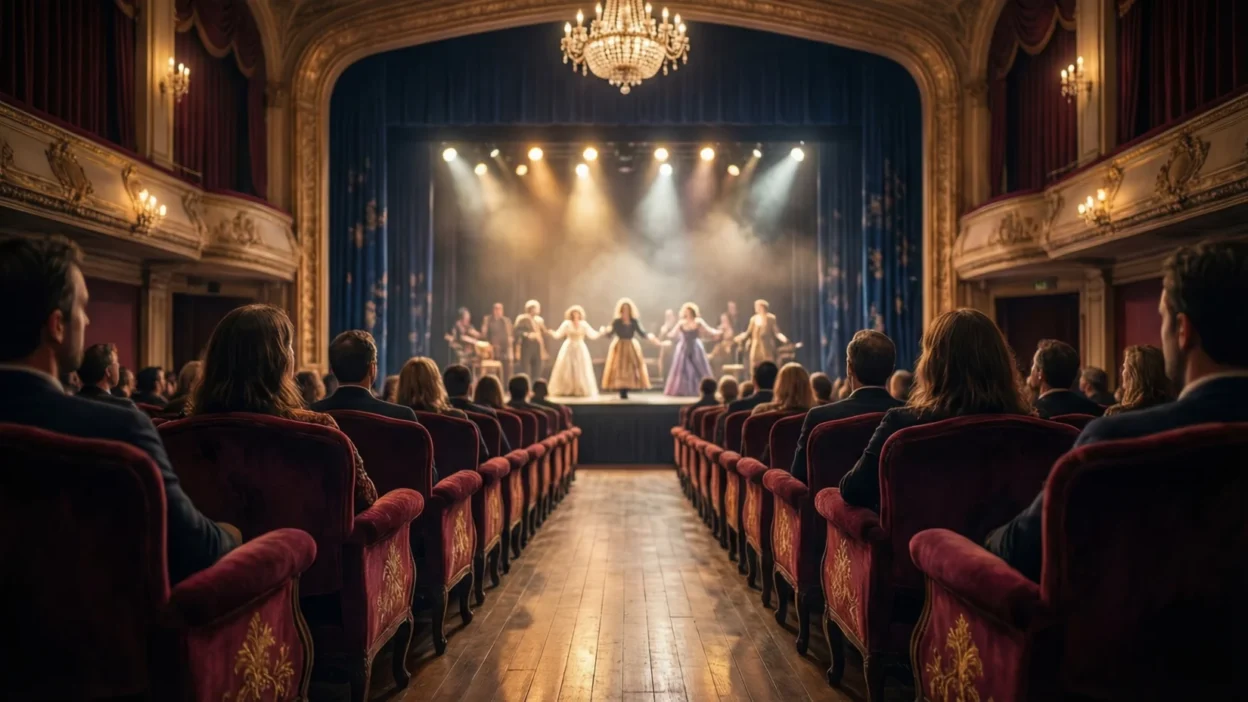
Theater etiquette ensures that everyone enjoys live performances without distractions or discomfort. Although theaters encourage creativity and expression, respectful audience behavior remains essential.
Therefore, understanding theater etiquette helps protect the experience for performers and fellow guests alike.
Moreover, theaters are shared cultural spaces. As a result, even small actions can impact the entire audience.
When theater etiquette is followed consistently, performances feel immersive, respectful, and memorable.
This guide explains theater etiquette clearly with practical advice, real examples, and easy-to-follow rules.
What Is Theater Etiquette?
Theater etiquette refers to the expected behavior of audience members during live performances.
While enjoyment is encouraged, awareness and courtesy guide proper conduct. Consequently, etiquette balances personal enjoyment with shared respect.
Why Theater Etiquette Matters
Theater etiquette preserves the quality of performances.
Theater etiquette matters because:
- Performers rely on audience focus
- Sound carries easily
- Shared seating requires courtesy
- Live moments cannot be repeated
Therefore, etiquette protects the experience for everyone.
Before The Performance Begins
Arrival And Preparation Etiquette
Good etiquette starts before the curtain rises.
- Arrive early
- Silence electronic devices
- Review theater rules
- Find seats quietly
Preparation prevents unnecessary disruption.
Seating Etiquette Inside The Theater
Respecting Space And Visibility
Seating behavior affects everyone nearby.
- Sit in assigned seats
- Avoid blocking views
- Move carefully in aisles
- Stand only when appropriate
As a result, all guests enjoy clear sightlines.
Phone And Technology Etiquette
Managing Devices Responsibly
Phones easily distract performers and audiences.
- Turn devices off
- Avoid texting or scrolling
- Do not record performances
- Keep screens dark
Responsible use preserves immersion.
Talking And Noise Etiquette
Maintaining Audience Silence
Silence enhances live theater.
- Avoid conversations
- Do not whisper
- Unwrap items quietly
- Control reactions during scenes
Quiet attention shows respect.
Applause And Audience Response Etiquette
Knowing When To React
Audience reactions follow tradition.
- Applaud at appropriate moments
- Avoid clapping mid-scene
- Follow audience cues
- Show appreciation respectfully
Proper timing honors performers’ efforts.
Food And Drink Etiquette
Eating Considerately
Food should never distract.
- Avoid noisy snacks
- Eat before performances
- Clean spills immediately
- Follow venue policies
Clean habits maintain theater standards.
Dress Code And Appearance Etiquette
Dressing Appropriately For The Occasion
Appearance reflects respect for the venue.
- Follow dress guidelines
- Avoid obstructive accessories
- Choose comfortable yet respectful clothing
Appropriate attire supports the theater atmosphere.
Theater Etiquette For Different Performances
Adapting To Performance Types
Etiquette varies by show type.
- Plays require silence
- Musicals allow applause between songs
- Operas follow formal traditions
- Children’s shows allow limited reactions
Understanding context prevents mistakes.
Theater Etiquette Dos And Don’ts
✅ Dos
- Do arrive early
- Do silence devices
- Do respect performers
- Do follow staff instructions
❌ Don’ts
- Don’t talk during scenes
- Don’t use phones
- Don’t block views
- Don’t arrive late unnecessarily
Common Theater Etiquette Mistakes
Mistakes often happen unintentionally.
Frequent Errors
- Late arrivals
- Phone usage
- Whispering
- Distracting movements
Avoiding these mistakes improves the shared experience.
Cultural Awareness In Theater Etiquette
Respecting Global Theater Traditions
Theater customs differ worldwide.
- Applause norms vary
- Silence expectations differ
- Dress standards change
Therefore, observing others helps guide behavior.
Frequently Asked Questions
What is proper theater etiquette?
It means behaving respectfully during live performances.
Can I use my phone in the theater?
No, phones should be turned off.
Is clapping always allowed?
Only at appropriate moments.
What if I arrive late?
Enter quietly when permitted by staff.
Does etiquette differ by performance type?
Yes, expectations vary widely.
Is talking ever acceptable?
No, conversations disrupt performances.
Final Thoughts
Theater etiquette protects the magic of live performances and the comfort of every audience member.
While excitement and emotion belong in theaters, respect ensures those moments remain meaningful.
Therefore, practicing thoughtful behavior, attentiveness, and courtesy allows performers to shine and audiences to connect deeply.
When theater etiquette becomes second nature, every performance feels richer, more immersive, and truly unforgettable.

Caleb Rowan is an American content writer with a strong interest in social and digital etiquette. He creates thoughtful, approachable articles for Etiquify. His writing helps readers navigate modern conversations with professionalism, balance, and empathy.