
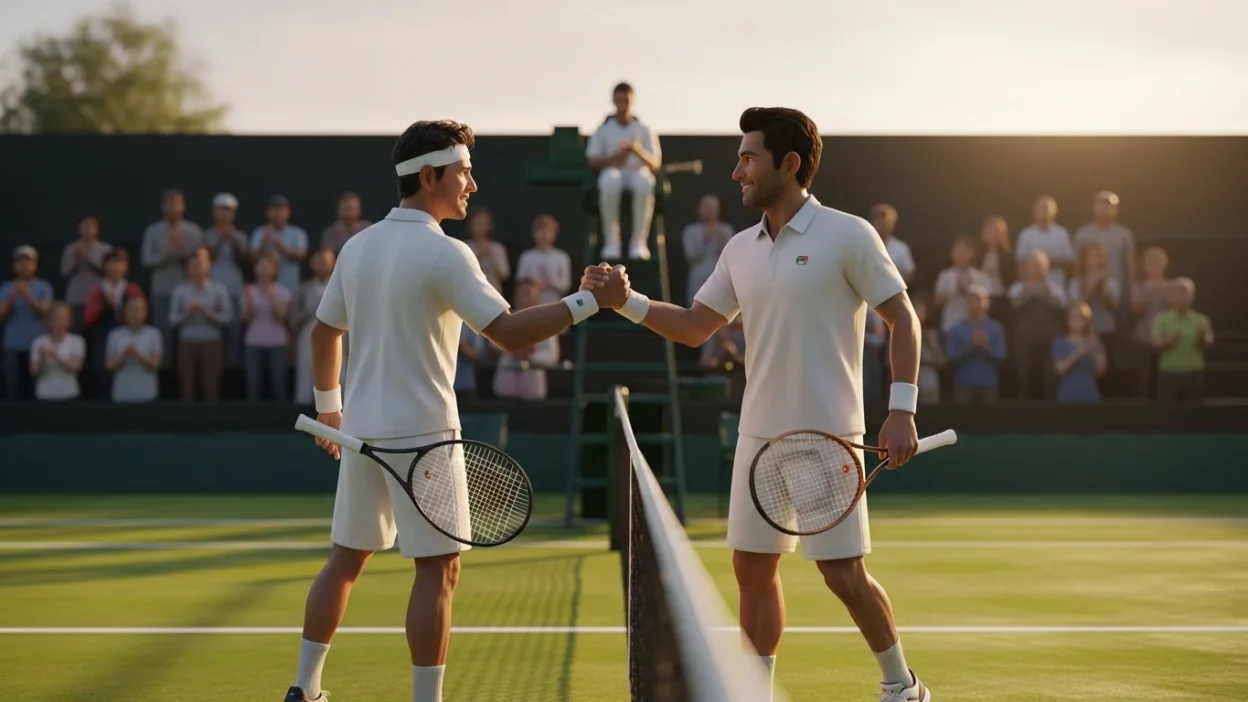
Tennis combines competitive intensity with refined tradition. Because the sport values integrity and discipline, proper behavior matters just as much as technical skill. Whether you play socially or compete seriously, understanding tennis etiquette ensures smoother matches, fewer disputes, and stronger mutual respect.
Moreover, good manners elevate your reputation both on and off the court. When players consistently demonstrate fairness, the game becomes more enjoyable and professionally rewarding.
Respecting The Court And Its Environment
Courts represent the foundation of the sport. Therefore, every player must treat them responsibly.
Arrive Early And Prepared
Punctuality demonstrates professionalism. Additionally, arriving early allows proper warm-up without rushing your opponent. Preparation, including appropriate attire and equipment, reflects seriousness toward the game.
Maintain Cleanliness And Order
After finishing play:
- Pick up tennis balls
- Remove bottles and trash
- Leave seating areas tidy
At prestigious events like Wimbledon, immaculate courts symbolize respect for tradition. Recreational players should uphold similar standards.
Proper Warm-Up Conduct
Warm-ups prepare both players equally. Consequently, cooperation matters more than dominance.
Rally With Purpose, Not Power
During the 5–10 minute warm-up:
- Hit directly to your opponent
- Avoid aggressive winners
- Focus on rhythm and control
By doing so, both players gain timing and confidence before official play begins.
Honesty In Line Calling
Integrity defines true tennis etiquette. Without honesty, competition loses credibility.
Make Fair And Immediate Calls
In matches without officials:
- Call balls only on your side
- Speak clearly and promptly
- If unsure, award the point to your opponent
Professional tournaments such as the US Open rely on technology and officials. However, everyday matches depend entirely on personal integrity.
Maintaining Silence And Focus
Concentration protects competitive balance. Therefore, distractions must be minimized.
Avoid Interruptions During Points
- Stay quiet mid-rally
- Silence mobile devices
- Refrain from walking behind players
Spectator discipline at elite tournaments reinforces how silence supports fairness.
Emotional Control And Composure
Tennis tests mental strength. Nevertheless, visible frustration damages sportsmanship.
Demonstrate Professional Conduct
- Avoid racket throwing
- Refrain from loud outbursts
- Respect your opponent after errors
Players like Roger Federer earned admiration not only for skill but also for consistent composure under pressure.
Clear Score Communication
Accurate scoring prevents unnecessary disputes.
Announce The Score Before Serving
Before each point:
- State the score clearly
- Confirm agreement if needed
- Correct mistakes immediately
Clear communication keeps the match organized and fair.
Doubles Etiquette And Team Harmony
Doubles requires coordination and emotional intelligence.
Support Your Partner Consistently
Encourage rather than criticize. Additionally, discuss strategy calmly between points. Public blame damages team morale and performance.
Furthermore, avoid invading opponents’ space at the net unless required for play.
Respectful Match Conclusion
The way you finish matters as much as how you compete.
End With Courtesy
After the final point:
- Shake hands firmly at the net
- Thank your opponent
- Acknowledge good rallies
Regardless of the result, grace leaves a powerful impression.
Common Tennis Etiquette Mistakes
Even experienced players sometimes forget key principles. Avoid these behaviors:
- Celebrating opponent errors excessively
- Offering unsolicited coaching
- Interrupting serve routines
- Leaving balls on adjacent courts
Awareness and discipline prevent tension and maintain harmony.
Why Tennis Etiquette Truly Matters
Strong etiquette enhances the sport in multiple ways. First, it builds trust between players. Second, it strengthens competitive fairness. Finally, it protects tennis’s long-standing traditions.
Ultimately, tennis rewards character as much as athletic ability. By mastering etiquette, players elevate both their game and personal reputation.
Final Thoughts On Tennis Etiquette
Tennis etiquette reflects integrity, respect, and discipline. When players commit to fairness, composure, and professionalism, the sport thrives.
Therefore, every match becomes an opportunity to demonstrate not only skill but also character. True sportsmanship defines lasting success.
FAQ,s
Why is tennis considered a sport of etiquette?
Because honesty, silence, and respectful conduct are essential for fair competition.
What is the most important tennis etiquette rule?
Making honest line calls and respecting your opponent consistently.
Should players apologize for lucky shots?
A small acknowledgment gesture is considered polite.
Is racket throwing ever acceptable?
No, it violates sportsmanship standards and competitive integrity.
How long should a warm-up last?
Typically between five and ten minutes before match play begins.
Do spectators follow tennis etiquette rules?
Yes, silence during points and respectful applause are required.

Caleb Rowan is an American content writer with a strong interest in social and digital etiquette. He creates thoughtful, approachable articles for Etiquify. His writing helps readers navigate modern conversations with professionalism, balance, and empathy.