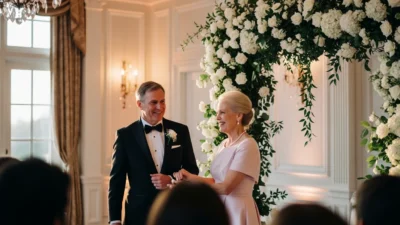
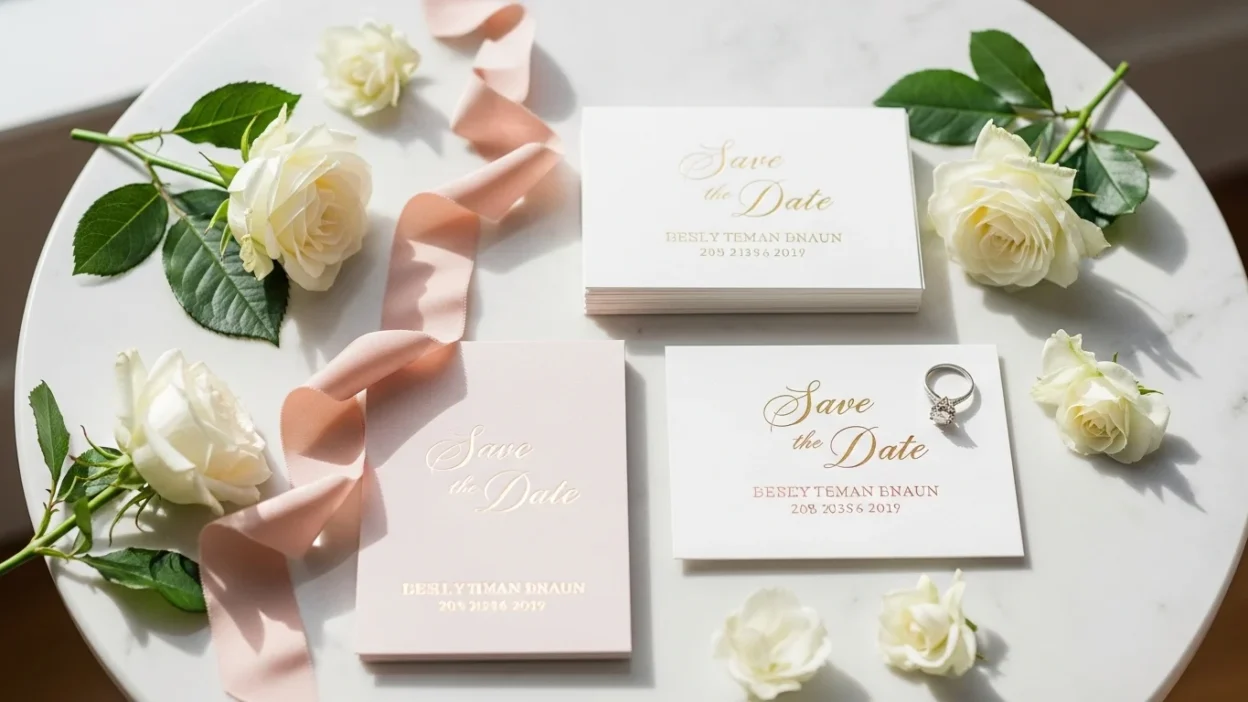
Planning a wedding involves careful communication, and save the date etiquette sets the tone early.
These pre invitations notify guests about your wedding date well before formal invitations arrive. Because travel, budgeting, and scheduling require time, sending them properly ensures smoother planning for everyone involved.
Moreover, thoughtful save the date etiquette prevents confusion and awkward follow-ups. When couples communicate clearly and respectfully, guests feel valued and prepared.
Whether planning a local ceremony or destination wedding, understanding proper timing and wording makes a noticeable difference.
This guide explains when to send them, what to include, common mistakes, and modern etiquette tips.
What Is Save the Date Etiquette?
Save the date etiquette refers to proper timing, wording, and guest selection for pre-wedding announcements.
Why Save the Dates Matter
- Give guests advance notice
- Allow travel planning
- Reduce scheduling conflicts
- Build anticipation respectfully
They are not invitations, but they signal commitment.
When to Send Save the Dates
Timing plays a major role.
Ideal Sending Timeline
- 6–8 months before for local weddings
- 8–12 months before for destination weddings
Early notice reflects strong save the date etiquette, especially for guests traveling long distances.
Who Should Receive a Save the Date?
Guest lists must be final first.
Only Send to Confirmed Guests
Anyone receiving a save the date must receive an invitation later.
Avoid sending casually or “just in case.” Proper save the date etiquette prevents guest confusion and hurt feelings.
What Information to Include
Keep it simple and clear.
Essential Details
- Couple’s names
- Wedding date
- City and state (or country)
- Note that a formal invitation will follow
You do not need full venue details yet.
What Not to Include
Clarity prevents misunderstanding.
Avoid These Additions
- Registry information
- Detailed schedules
- Meal options
- RSVP requests
Save the date etiquette focuses only on reserving the date.
Digital vs Printed Save the Dates
Modern couples have options.
Choosing the Right Format
Printed cards feel traditional and formal. Digital announcements offer convenience and lower cost.
Both formats are acceptable when done thoughtfully. Consistency with your wedding style matters most.
Destination Wedding Etiquette
Travel requires planning.
Extra Considerations
For destination weddings:
- Include travel city clearly
- Provide a wedding website link
- Send earlier than usual
Advanced notice supports respectful save the date etiquette.
Addressing Save the Dates Properly
Wording matters.
How to Address Guests
- Include full names
- Specify “and Guest” if applicable
- Clearly indicate family invitations
Precise addressing prevents awkward misunderstandings.
Handling Changes After Sending
Plans sometimes shift.
If the Date Changes
If necessary:
- Inform guests immediately
- Send corrected cards
- Update wedding website
Transparency maintains good save the date etiquette.
Common Save the Date Etiquette Mistakes
Avoid these missteps.
Frequent Errors
- Sending before finalizing the guest list
- Including registry information
- Requesting RSVPs
- Sending too late
Thoughtful planning prevents stress later.
Save the Date Etiquette Dos and Don’ts
| Do | Don’t |
|---|---|
| Send early | Send before finalizing guests |
| Keep details simple | Include registry information |
| Match wedding tone | Overload with information |
| Send to confirmed guests only | Exclude someone later |
Real-Life Save the Date Examples
Example: Local Wedding
Sent 7 months in advance with city listed and website link.
Example: Destination Beach Wedding
Sent 10 months ahead with travel city clearly mentioned.
Example: Formal Ballroom Wedding
Elegant printed card matching invitation style.
Each scenario reflects proper save the date etiquette.
Why Save the Date Etiquette Sets the Tone
Early communication shapes expectations.
Long-Term Benefits
- Organized guest planning
- Reduced last-minute declines
- Positive first impression
- Smoother invitation process
Etiquette creates clarity from the start.
Final Thoughts on Save the Date Etiquette
Save the date etiquette centers on clarity, timing, and thoughtful guest communication.
By sending notices early, including only essential details, and confirming your guest list beforehand, you avoid confusion and show respect.
Ultimately, these small pre invitations create a strong first impression for your wedding. When handled properly, save the dates build excitement while maintaining elegance and organization.
FAQ,s
When should save the dates be sent?
Six to eight months before the wedding, earlier for destinations.
Do save the dates require RSVP?
No, RSVPs are requested with formal invitations.
Can save the dates be digital?
Yes, digital formats are acceptable.
Should registry information be included?
No, registry details belong on the invitation or website.
Can you send save the dates before finalizing guests?
No, only confirmed guests should receive them.
What if the wedding date changes?
Notify guests immediately with updated information.

Theo Blackmere is an American writer focused on etiquette and professional communication. He contributes insightful, well structured content to Etiquify. His writing emphasizes respect, clarity, and modern social awareness across personal and professional interactions.