
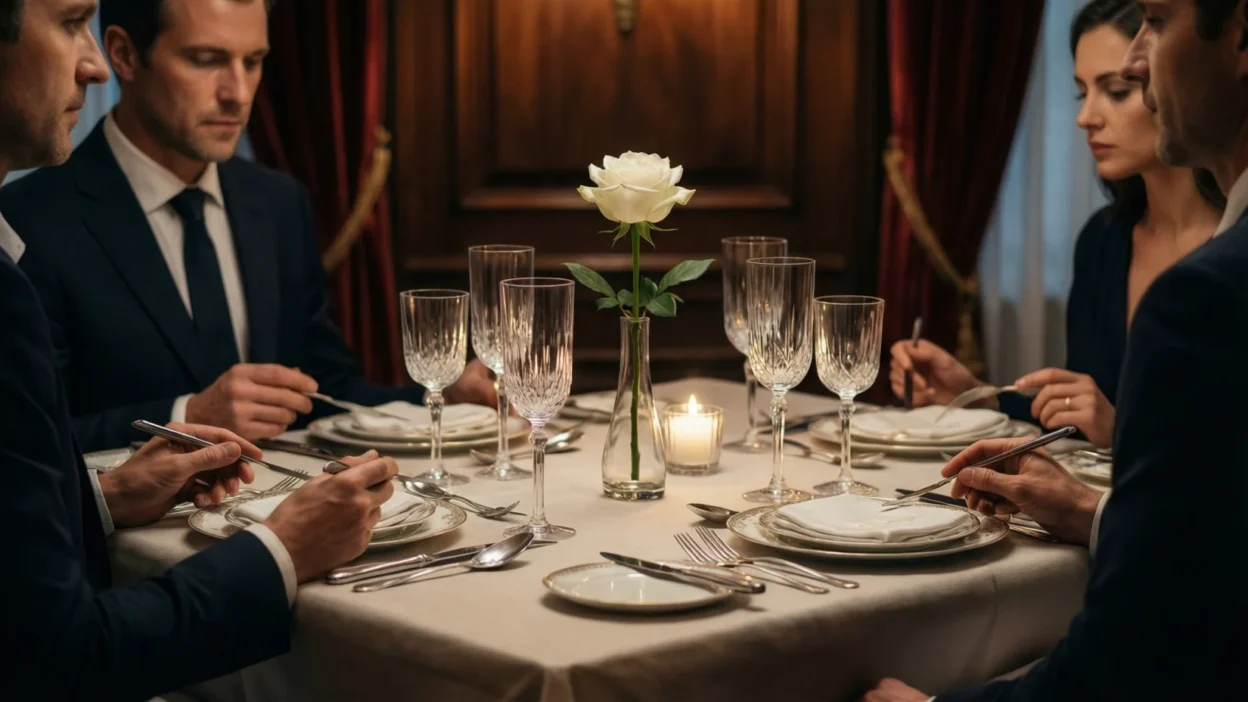
Restaurant etiquette helps create pleasant dining experiences for guests, staff, and fellow diners.
Although restaurants feel relaxed, proper manners still matter. Therefore, understanding restaurant etiquette ensures respect, comfort, and smooth service for everyone involved.
Moreover, dining spaces are shared environments. As a result, behavior, communication, and awareness affect others directly.
When restaurant etiquette is practiced consistently, meals become more enjoyable, professional, and stress-free.
This guide explains restaurant etiquette clearly using real life examples, practical tips, and simple rules.
What Is Restaurant Etiquette?
Restaurant etiquette refers to polite behavior expected while dining out. While enjoyment is encouraged, courtesy and consideration guide proper actions. Consequently, etiquette balances comfort with respect for others.
Why Restaurant Etiquette Matters
Restaurant etiquette supports positive dining environments.
Restaurant etiquette matters because:
- Staff manage multiple tables
- Guests share space
- Noise affects atmosphere
- Courtesy improves service
Therefore, good manners benefit everyone.
Arrival And Seating Etiquette
Entering And Being Seated Politely
First impressions start immediately.
- Arrive on time
- Greet staff politely
- Wait to be seated
- Follow reservation instructions
Respectful arrivals set the tone.
Table Manners In Restaurants
Proper Dining Behavior
Table manners reflect awareness.
- Sit upright
- Keep elbows controlled
- Chew with mouth closed
- Use utensils correctly
Good manners create comfortable dining.
Ordering Food Etiquette
Communicating With Servers Respectfully
Clear communication helps service.
- Ask questions politely
- Be ready to order
- Respect menu limitations
- Thank the server
Politeness encourages better interactions.
Phone Etiquette At Restaurants
Using Devices Considerately
Phones can distract others.
- Silence notifications
- Avoid loud calls
- Keep phones off tables
- Focus on companions
Presence improves dining experiences.
Conversation And Noise Etiquette
Maintaining Appropriate Volume
Noise levels affect ambiance.
- Speak softly
- Avoid shouting
- Laugh respectfully
- Be aware of surroundings
Balanced volume supports atmosphere.
Eating And Drinking Etiquette
Being Mindful While Dining
Food behavior reflects courtesy.
- Avoid slurping
- Take small bites
- Drink responsibly
- Clean spills promptly
Mindfulness shows respect.
Tipping And Payment Etiquette
Handling Bills Properly
Payment moments matter.
- Tip fairly
- Thank service staff
- Handle bills discreetly
- Avoid arguing over payment loudly
Gratitude leaves positive impressions.
Restaurant Etiquette For Formal Dining
Adjusting To Upscale Settings
Formal dining requires awareness.
- Follow dress codes
- Observe place settings
- Wait for courses
- Follow host cues
Adaptability prevents embarrassment.
Restaurant Etiquette Dos And Don’ts
✅ Dos
- Do treat staff kindly
- Do respect dining pace
- Do keep table tidy
- Do say thank you
❌ Don’ts
- Don’t snap at servers
- Don’t use phones loudly
- Don’t waste food unnecessarily
- Don’t rush others
Common Restaurant Etiquette Mistakes
Mistakes happen unintentionally.
Frequent Errors
- Talking loudly
- Ignoring staff
- Using phones excessively
- Improper tipping
Avoiding these mistakes improves experiences.
Cultural Awareness In Restaurant Etiquette
Respecting Global Dining Customs
Dining customs vary worldwide.
- Eating styles differ
- Tipping rules change
- Table manners vary
Therefore, observing locals helps guide behavior.
Frequently Asked Questions
What is proper restaurant etiquette?
It means behaving politely and respectfully while dining.
Should phones be used at restaurants?
Only discreetly and minimally.
Is tipping part of restaurant etiquette?
Yes, fair tipping shows appreciation.
How should I treat restaurant staff?
With kindness, patience, and respect.
Does etiquette change for fine dining?
Yes, formal settings require more awareness.
Is loud conversation rude in restaurants?
Yes, it disturbs other diners.
Final Thoughts
Restaurant etiquette transforms ordinary meals into pleasant, respectful experiences for everyone involved.
While dining out encourages relaxation, courtesy ensures comfort and harmony.
Therefore, practicing mindful behavior, polite communication, and consideration for staff and guests enhances every meal.
When restaurant etiquette becomes a habit, dining spaces feel welcoming, professional, and enjoyable, allowing food and conversation to be truly appreciated.

Theo Blackmere is an American writer focused on etiquette and professional communication. He contributes insightful, well structured content to Etiquify. His writing emphasizes respect, clarity, and modern social awareness across personal and professional interactions.