
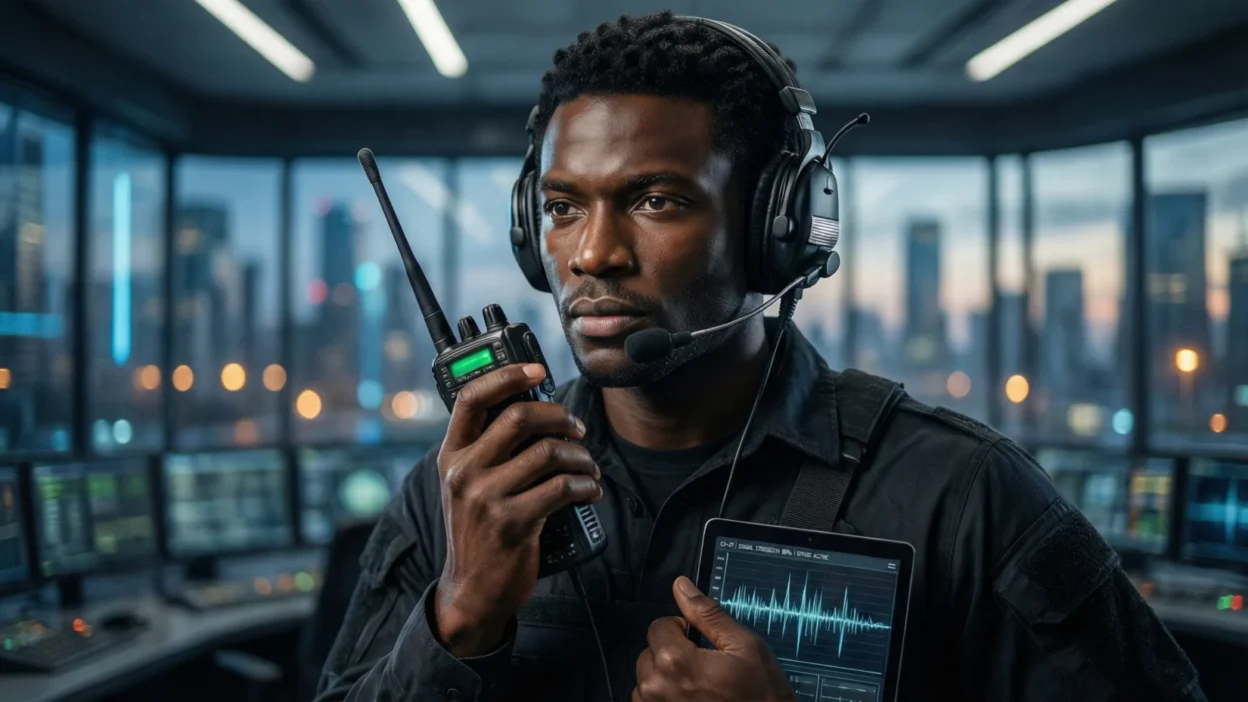
Radio etiquette refers to the rules and communication standards used when speaking over two-way radios, walkie talkies, or professional radio systems.
These guidelines help ensure messages remain clear, brief, and respectful, especially in situations where accuracy and timing matter.
Because radio communication lacks visual cues, every word carries importance.
As a result, proper radio etiquette reduces misunderstandings, prevents interference, and supports smooth coordination.
Whether used in emergencies or daily operations, good radio etiquette keeps communication efficient and professional.
What Radio Etiquette Means
Clear Communication
Messages should be concise and easy to understand.
Respect for the Channel
Only necessary information should be transmitted.
Structured Speaking
Organized messages improve accuracy and response time.
Why Radio Etiquette Is Important
Prevents Miscommunication
Clear protocols reduce confusion and errors.
Improves Safety
Accurate messages protect people and property.
Saves Time
Brief communication keeps channels available.
Maintains Professionalism
Proper conduct builds trust and reliability.
Basic Rules of Radio Etiquette
Think Before Speaking
Planning prevents unnecessary transmissions.
Use Clear Language
Simple words improve understanding.
Speak Calmly
Controlled tone supports clarity under pressure.
Proper Radio Communication Techniques
Identify Yourself First
State your call sign or name clearly.
Pause Before Speaking
Short pauses avoid overlapping transmissions.
Use Standard Phrases
Consistent terms prevent confusion.
Radio Etiquette for Emergency Situations
Stay Calm
Clear thinking improves message accuracy.
Keep Messages Short
Emergency channels require efficiency.
Follow Command Structure
Hierarchy ensures organized responses.
Radio Etiquette in the Workplace
Limit Casual Conversation
Professional use takes priority.
Respect Transmission Priority
Urgent messages should come first.
Monitor Before Speaking
Listening prevents interruptions.
Common Radio Etiquette Mistakes
Talking Too Much
Long messages block others.
Using Slang or Jokes
Unclear language creates confusion.
Interrupting Transmissions
Interruptions reduce efficiency.
Radio Etiquette Dos and Don’ts
| Do | Don’t |
|---|---|
| Speak clearly | Shout into the microphone |
| Use call signs | Use nicknames |
| Pause between messages | Talk continuously |
| Stay professional | Use offensive language |
| Listen carefully | Interrupt others |
Radio Etiquette for Beginners
Practice Before Use
Familiarity improves confidence.
Learn Standard Codes
Common phrases increase accuracy.
Ask for Clarification
Repeating ensures understanding.
Radio Etiquette Across Different Industries
Emergency Services
Precision and discipline are critical.
Aviation
Standard phraseology prevents accidents.
Construction and Security
Clear commands improve coordination.
Frequently Asked Questions About Radio Etiquette
What is radio etiquette?
Radio etiquette is the set of rules for clear, respectful radio communication.
Why is radio etiquette important?
It prevents confusion, saves time, and improves safety.
Should messages be short on radios?
Yes. Short messages keep channels clear.
Is slang acceptable in radio communication?
No. Clear, standard language works best.
What should you do before speaking on a radio?
Listen first to ensure the channel is clear.
Conclusion
Radio etiquette plays a vital role in effective communication where clarity and timing matter most.
Because radio systems often support safety, coordination, and emergency response, following proper etiquette reduces risk and confusion.
Clear speech, respectful conduct, and structured messages ensure communication remains reliable.
Moreover, strong radio etiquette reflects professionalism and responsibility. Whether used in workplaces, emergency services, or recreational activities, good habits improve efficiency and trust.
Ultimately, mastering radio etiquette helps individuals communicate confidently while keeping everyone informed and safe.
Evan Whitmore is an American writer focused on modern etiquette and communication. He contributes practical, reader friendly content to Etiquify. His work emphasizes respect, clarity, and confidence in everyday personal and professional interactions.