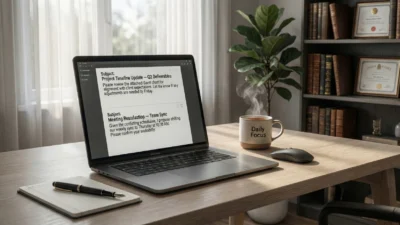

Professional etiquette plays a vital role because workplaces depend on trust, communication, and mutual respect. While skills and qualifications matter, behavior often determines long-term success.
Therefore, understanding professional etiquette helps individuals build strong reputations, avoid conflicts, and communicate effectively in every work environment.
Moreover, professional etiquette shapes how colleagues, managers, and clients perceive reliability and character.
As a result, polite conduct creates opportunities, strengthens teamwork, and improves leadership potential. Whether working in an office, remotely, or in client-facing roles, professional etiquette ensures interactions remain respectful, confident, and productive.
What Is Professional Etiquette?
Professional etiquette refers to the accepted standards of behavior in the workplace. Although workplaces vary, etiquette principles remain consistent. Respect, accountability, and courtesy guide daily interactions. Consequently, professional etiquette helps employees navigate expectations clearly and confidently.
Why Professional Etiquette Matters in the Workplace
Professional environments rely heavily on cooperation and communication. Therefore, poor manners quickly damage trust and morale.
Professional etiquette matters because:
- First impressions form quickly
- Behavior reflects professionalism
- Respect improves collaboration
- Courtesy builds credibility
As a result, etiquette directly impacts career growth and workplace harmony.
Core Principles of Professional Etiquette
Respect for Others
First, respectful behavior builds positive relationships. Therefore, acknowledging opinions and valuing time matters.
Accountability and Responsibility
Next, owning actions shows integrity. Consequently, trust develops naturally.
Professional Communication
Additionally, clear and polite communication prevents misunderstandings and improves teamwork.
Professional Etiquette at Work
Punctuality and Time Management
Arriving on time demonstrates reliability. Therefore, meetings and deadlines deserve respect.
Workplace Appearance
Professional appearance reflects seriousness. As a result, dressing appropriately supports credibility.
Professional Communication Etiquette
Verbal Communication
Clear speech and calm tone improve understanding. Therefore, avoid interruptions and aggressive language.
Written Communication
Emails and messages should remain concise and respectful. Consequently, professionalism stays consistent.
Professional Etiquette in Meetings
Meeting Preparation
Prepared participants show respect. Therefore, review agendas and contribute thoughtfully.
Active Listening
Listening attentively encourages collaboration. As a result, discussions remain productive.
Professional Etiquette with Colleagues
Teamwork and Cooperation
Supporting colleagues strengthens morale. Therefore, collaboration matters more than competition.
Conflict Management
Disagreements should remain respectful. Consequently, calm discussion resolves issues effectively.
Professional Etiquette with Clients and Customers
Courtesy and Responsiveness
Prompt, polite responses build trust. Therefore, professionalism must remain consistent.
Confidentiality
Protecting sensitive information shows integrity. As a result, credibility increases.
Digital Professional Etiquette
Email and Messaging
Professional tone remains essential online. Therefore, clarity and courtesy matter.
Virtual Meetings
Mute when not speaking and stay attentive. Consequently, meetings feel respectful.
Professional Etiquette Dos and Don’ts
✅ Dos
- Do communicate clearly
- Do respect deadlines
- Do dress appropriately
- Do show gratitude
❌ Don’ts
- Don’t interrupt others
- Don’t gossip at work
- Don’t ignore messages
- Don’t act emotionally
Common Professional Etiquette Mistakes
Mistakes often happen without awareness.
Frequent Errors
- Arriving late
- Poor email tone
- Ignoring feedback
- Disrespecting boundaries
Avoiding these mistakes strengthens professionalism immediately.
Frequently Asked Questions
Why is professional etiquette important?
Professional etiquette builds trust, credibility, and positive workplace relationships.
Does professional etiquette apply to remote work?
Yes. Respectful communication and punctuality remain essential remotely.
Is professional etiquette the same in every workplace?
Core principles remain consistent, although specific rules may vary.
Can professional etiquette improve career growth?
Yes. Polite behavior often creates leadership and advancement opportunities.
Does professional etiquette include digital behavior?
Absolutely. Emails, messages, and virtual meetings require professionalism.
Final Thoughts
Professional etiquette reflects character, emotional intelligence, and respect in every workplace interaction. While skills open doors, behavior determines longevity and trust.
Therefore, practicing courtesy, accountability, and clear communication strengthens professional relationships.
When professional etiquette becomes habitual, workplaces feel more productive, respectful, and collaborative, allowing individuals to grow confidently while maintaining strong reputations across diverse professional environments.
Evan Whitmore is an American writer focused on modern etiquette and communication. He contributes practical, reader friendly content to Etiquify. His work emphasizes respect, clarity, and confidence in everyday personal and professional interactions.