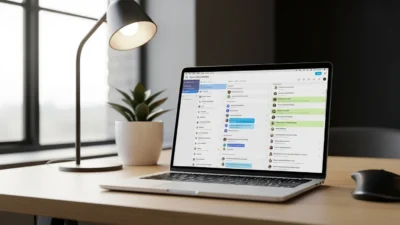
In today’s digital landscape, live chat has become a primary communication channel.
Because customers expect instant assistance, mastering live chat etiquette is essential for delivering efficient, respectful, and memorable support. Moreover, professional chat behavior strengthens brand trust and long-term loyalty.
Whether you work in e-commerce, SaaS, or corporate services, proper chat conduct directly impacts customer satisfaction.
Why Live Chat Etiquette Matters
Customers often choose live chat over phone calls. Therefore, every response must feel timely, clear, and helpful.
Companies like Zendesk and Intercom have standardized real-time digital support across industries, highlighting the importance of structured communication.
Additionally, poor tone or delayed replies can quickly damage credibility.
Respond Promptly And Professionally
Speed is critical.
Acknowledge Immediately
Greet the customer within seconds. Even if you need time to investigate, let them know you are working on it.
Example:
“Hi Sarah, thank you for reaching out. Let me check that for you right away.”
Avoid Long Silences
If research takes longer than expected, provide brief updates. This reassurance prevents frustration.
Use Clear And Respectful Language
Tone replaces body language in digital communication.
Stay Polite And Neutral
Always use courteous phrases such as “please,” “thank you,” and “I understand.” Even when facing complaints, maintain professionalism.
Avoid Slang And Excess Emojis
While friendliness matters, excessive informality reduces credibility. Therefore, keep language warm yet professional.
Personalize The Conversation
Generic replies feel robotic.
Use The Customer’s Name
Addressing customers by name creates connection and demonstrates attentiveness.
Reference Their Concern Specifically
Instead of copying standard responses, tailor each message to their exact issue.
Maintain Proper Grammar And Formatting
Clarity builds trust.
Proofread Before Sending
Spelling mistakes or rushed typing can appear careless. Therefore, review your message quickly before pressing send.
Use Short Paragraphs
Large text blocks overwhelm readers. Break responses into digestible sections.
Show Empathy In Difficult Situations
Empathy de-escalates tension.
Acknowledge Frustration
For example:
“I understand how frustrating that must be.”
Companies operating in customer-centric markets like the United States emphasize empathy as a core service principle.
Offer Clear Solutions
After acknowledging feelings, provide actionable next steps immediately.
Multitasking Without Compromising Quality
Many agents handle multiple chats simultaneously.
Prioritize Accuracy Over Speed
Although quick replies matter, incorrect information harms credibility more than a slight delay.
Avoid Copy-Paste Errors
Sending the wrong template or name damages professionalism.
Know When To Escalate
Not every issue can be resolved instantly.
Transfer Smoothly
If escalation is required, clearly explain the reason and introduce the next agent. Smooth transitions preserve trust.
Ending The Conversation Gracefully
Closure matters.
Confirm Resolution
Ask whether the issue has been fully addressed before ending the chat.
End Politely
For example:
“Thank you for contacting us today. Have a wonderful day!”
Common Live Chat Etiquette Mistakes
Avoid these frequent errors:
- Responding with one-word answers
- Ignoring customer emotions
- Overusing scripted responses
- Typing in all caps
- Ending chats abruptly
Professional awareness prevents these missteps.
Why Professional Live Chat Etiquette Builds Loyalty
Live chat represents your brand voice in real time. Because digital communication lacks facial expressions and tone cues, clarity and empathy become even more important. Furthermore, consistent professionalism reassures customers that they are valued.
When businesses implement structured chat protocols similar to those used by leading platforms like Salesforce, customer satisfaction typically improves.
Final Thoughts On Live Chat Etiquette
Live chat etiquette is not merely about fast typing — rather, it is about delivering confidence, empathy, and clarity through every message. When you respond promptly, communicate respectfully, and personalize each interaction, you transform routine support into a meaningful experience.
Moreover, consistent tone and structured communication strengthen brand identity across digital channels. Because customers remember how they were treated more than what was said, professionalism must guide every reply.
Ultimately, mastering live chat etiquette builds trust, reduces conflict, and turns one-time inquiries into lasting relationships.
Therefore, approach each chat with patience, precision, and genuine care, and your service will consistently stand out in a competitive digital marketplace.
FAQ,s
How quickly should live chat responses be sent?
Ideally within seconds, with updates if delays occur.
Is it okay to use emojis in professional chats?
Use them sparingly, depending on brand tone.
How can agents show empathy in chat?
Acknowledge feelings and provide clear solutions.
Should templates be used in live chat?
Yes, but personalize them for each customer.
What is the biggest live chat mistake?
Ignoring tone and responding without empathy.
How should a live chat end?
Confirm resolution and close with a polite farewell.

Evan Whitmore is an American writer focused on modern etiquette and communication. He contributes practical, reader friendly content to Etiquify. His work emphasizes respect, clarity, and confidence in everyday personal and professional interactions.