
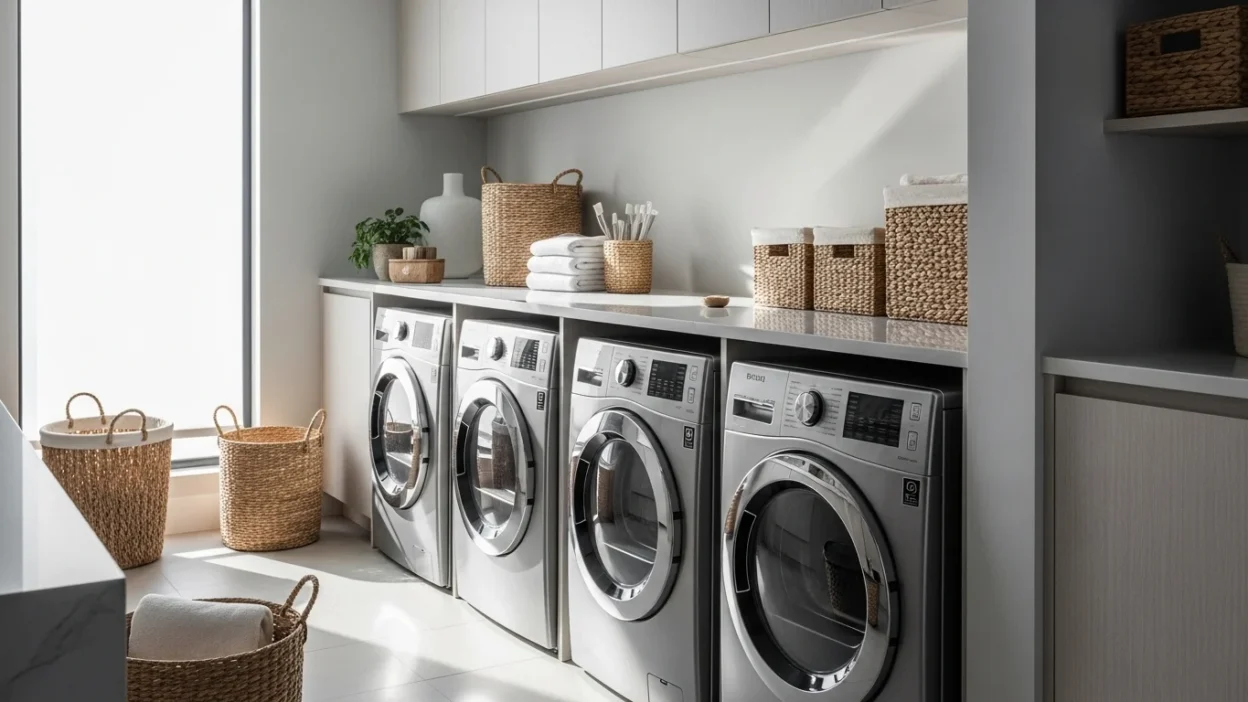
Shared laundry spaces exist in many apartments, dormitories, and community housing buildings.
Therefore, understanding proper laundry room etiquette helps everyone use washers and dryers respectfully and efficiently.
Because multiple residents depend on the same machines, considerate behavior keeps the laundry process smooth for everyone.
Moreover, good laundry room etiquette prevents conflicts, protects clothing, and keeps the space clean and organized.
When people follow simple rules such as removing clothes on time and cleaning up after themselves, shared laundry areas become far more pleasant.
Additionally, respectful laundry habits reflect good community manners. Consequently, learning basic laundry room etiquette ensures neighbors cooperate and avoid unnecessary frustrations.
Why Laundry Room Etiquette Matters
Shared laundry rooms often involve limited machines and busy schedules. Therefore, small actions can affect many people.
Practicing good laundry room etiquette helps:
- Prevent machine congestion
- Keep the space clean
- Respect neighbors’ time
- Protect clothing and equipment
- Create a cooperative living environment
Because shared living requires mutual respect, these simple habits make a big difference.
Set a Timer for Your Laundry
One of the most important rules of laundry room etiquette involves removing clothes promptly after the cycle finishes.
Helpful tips include:
- Set a phone timer for your wash or dry cycle
- Return immediately when the machine finishes
- Move clothes quickly if someone else waits
Prompt attention keeps machines available for others.
Avoid Leaving Laundry Unattended Too Long
Sometimes people forget their laundry for hours. However, this behavior frustrates other residents.
Good laundry room etiquette encourages:
- Staying nearby during the cycle
- Returning within a few minutes after completion
- Avoiding long delays that block machines
When everyone follows this rule, laundry rooms run much more smoothly.
Respect Other People’s Clothes
Occasionally machines finish while the owner remains absent. In those cases, respectful behavior still matters.
If necessary:
- Carefully move finished laundry to a clean surface
- Avoid placing clothes on the floor
- Handle garments gently
Even when moving items, proper laundry room etiquette requires treating others’ belongings respectfully.
Clean the Machines After Use
Laundry rooms stay pleasant only when users maintain cleanliness.
After finishing your laundry:
- Remove lint from the dryer filter
- Wipe spills from detergent areas
- Dispose of trash or dryer sheets properly
These small actions show responsible laundry room etiquette.
Avoid Overloading Machines
Overloading washers or dryers can damage equipment and prevent proper cleaning.
Instead:
- Follow load size guidelines
- Separate heavy items such as blankets
- Use appropriate detergent amounts
Responsible machine use protects equipment and benefits all residents.
Be Mindful of Laundry Room Hours
Many apartment buildings establish specific quiet hours or laundry schedules.
Good laundry room etiquette means:
- Avoid late-night laundry if rules prohibit it
- Respect building policies
- Be considerate of nearby residents
Following posted hours prevents unnecessary noise complaints.
Keep the Laundry Area Organized
Shared spaces quickly become messy when people leave items behind.
Helpful organization habits include:
- Remove detergent bottles after use
- Keep baskets out of walkways
- Avoid storing personal items permanently
A tidy environment reflects strong laundry room etiquette.
Communicate Politely with Neighbors
Occasionally misunderstandings occur in shared laundry spaces. Therefore, polite communication solves many issues.
For example:
- Ask respectfully if someone is waiting for a machine
- Apologize if you accidentally delay others
- Offer to move your laundry if necessary
Kind communication improves community relationships.
Common Laundry Room Etiquette Mistakes
Even responsible residents sometimes forget basic courtesy.
Avoid these mistakes:
- Leaving finished laundry in machines for long periods
- Using multiple machines during busy times
- Ignoring lint traps
- Blocking walkways with baskets
Recognizing these issues helps maintain respectful laundry room etiquette.
Tips for Apartment and Dorm Laundry Rooms
Different housing environments often require slightly different habits.
Helpful tips include:
- Do laundry during less busy hours
- Label your laundry basket
- Bring supplies with you instead of leaving them behind
These strategies make shared laundry spaces more efficient.
Final Thoughts
Shared laundry facilities require cooperation from everyone who uses them. Therefore, practicing thoughtful laundry room etiquette ensures that machines remain available, clothing stays safe, and the space stays clean.
Moreover, simple habits such as removing clothes promptly, cleaning lint filters, and communicating politely create a positive experience for all residents. Ultimately, when people follow respectful laundry room etiquette, shared living spaces become more comfortable and harmonious.
FAQs
What is laundry room etiquette
Laundry room etiquette refers to respectful behavior when using shared washers and dryers in apartments, dorms, or community spaces.
How long should laundry stay in a machine
Laundry should be removed shortly after the cycle finishes so other people can use the machine.
Is it okay to move someone else’s laundry
If a machine finishes and the owner does not return, carefully moving the clothes to a clean surface is usually acceptable.
Why should you clean the lint trap
Cleaning the lint trap improves dryer efficiency and reduces potential fire hazards.
When is the best time to use a shared laundry room
Early mornings or midday hours often have fewer people, which helps avoid waiting.
Should I leave my detergent in the laundry room
No, it is better to take your supplies with you to keep the shared space organized.

Caleb Rowan is an American content writer with a strong interest in social and digital etiquette. He creates thoughtful, approachable articles for Etiquify. His writing helps readers navigate modern conversations with professionalism, balance, and empathy.