
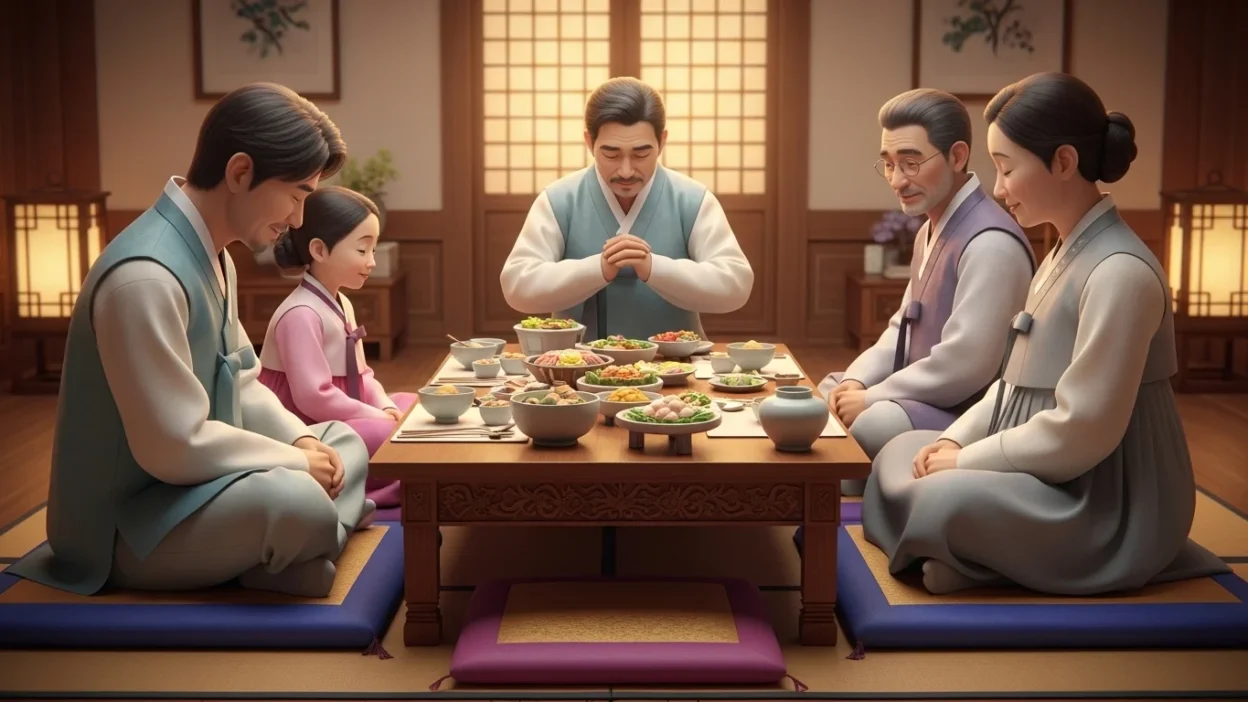
Korean society places deep importance on respect, hierarchy, and social harmony. Because traditions strongly influence daily interactions, understanding Korean etiquette helps visitors and professionals avoid misunderstandings while building meaningful relationships. Whether traveling, studying, or conducting business, cultural awareness shows maturity and appreciation.
Moreover, practicing proper etiquette demonstrates sincerity, which is highly valued in Korean culture.
The Importance Of Respect And Hierarchy
Hierarchy shapes many interactions in Korea.
Age And Status Matter
In South Korea, age often determines speaking style and social behavior. Younger individuals typically show deference to elders through formal language and gestures.
Use Proper Titles
Instead of first names, use titles such as job roles or family terms. For example, addressing someone as “Manager Kim” is more respectful than using their first name alone.
Greeting Etiquette
First impressions carry great significance.
Bowing As A Sign Of Respect
A slight bow is the traditional greeting. The depth of the bow depends on the formality of the situation. While handshakes are common in business settings, they are often accompanied by a bow.
Handshake Courtesy
When shaking hands, use your right hand while supporting your forearm with your left hand as a sign of respect.
Dining Etiquette In Korea
Meals represent both nourishment and social bonding.
Wait For Elders To Begin
At the table, allow the eldest person to start eating first. Additionally, follow their lead when finishing the meal.
Chopstick And Spoon Usage
Use metal chopsticks and a spoon appropriately. Unlike some cultures, lifting rice bowls from the table is generally discouraged.
Sharing food is common, especially during gatherings centered around dishes like those found in traditional Korean cuisine.
Gift-Giving Customs
Gift exchange strengthens relationships.
Present And Receive With Both Hands
Always use both hands when giving or receiving gifts. This gesture symbolizes sincerity and respect.
Modesty Is Appreciated
Recipients may initially refuse a gift out of politeness. Therefore, gently insist once or twice before they accept.
Public Behavior And Social Norms
Social harmony guides conduct.
Maintain Calm Demeanor
Loud or confrontational behavior in public settings is typically frowned upon. Instead, remain composed and respectful.
Respect Personal Space Differently
While public transportation may feel crowded, politeness remains essential. Offering seats to elders reflects cultural values.
Business Etiquette In Korea
Professional settings require additional awareness.
Business Card Exchange
Present business cards with both hands and take a moment to examine the card you receive before putting it away.
Formal Communication Style
Use formal language and polite endings. Companies headquartered in cities like Seoul often emphasize structured hierarchy in corporate culture.
Temple And Cultural Site Etiquette
Respect extends to sacred places.
Dress Modestly
When visiting temples such as Jogyesa, wear modest clothing and maintain quiet behavior.
Follow Posted Guidelines
Photography restrictions and silence rules must be observed to honor spiritual practices.
Common Korean Etiquette Mistakes
Avoid these behaviors:
- Writing someone’s name in red ink
- Pouring your own drink when elders are present
- Sticking chopsticks upright in rice
- Using overly casual language too quickly
Cultural sensitivity prevents embarrassment.
Why Korean Etiquette Matters
Understanding Korean etiquette:
- Builds trust and respect
- Strengthens professional relationships
- Enhances travel experiences
- Demonstrates cultural intelligence
Ultimately, thoughtful behavior reflects genuine appreciation for Korean traditions.
Final Thoughts On Korean Etiquette
Korean etiquette centers on respect, humility, and awareness of hierarchy. By observing gestures, language, and social customs carefully, you show sincerity and openness.
Whether visiting briefly or forming long-term connections, cultural understanding deepens every interaction.
FAQ,s
Is bowing still common in Korea?
Yes, bowing remains a traditional and respectful greeting.
Should I use first names in Korea?
Generally no, unless invited to do so.
Is tipping expected in Korea?
Tipping is not customary in most situations.
How should I give a gift?
Present it with both hands as a sign of respect.
Are business meetings formal?
Yes, professionalism and hierarchy are strongly emphasized.
Is casual speech acceptable quickly?
No, use formal language until given permission otherwise.

Caleb Rowan is an American content writer with a strong interest in social and digital etiquette. He creates thoughtful, approachable articles for Etiquify. His writing helps readers navigate modern conversations with professionalism, balance, and empathy.