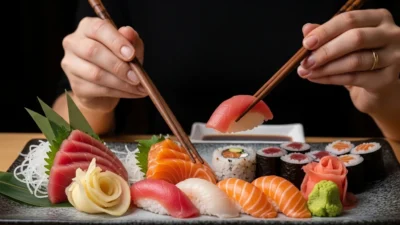
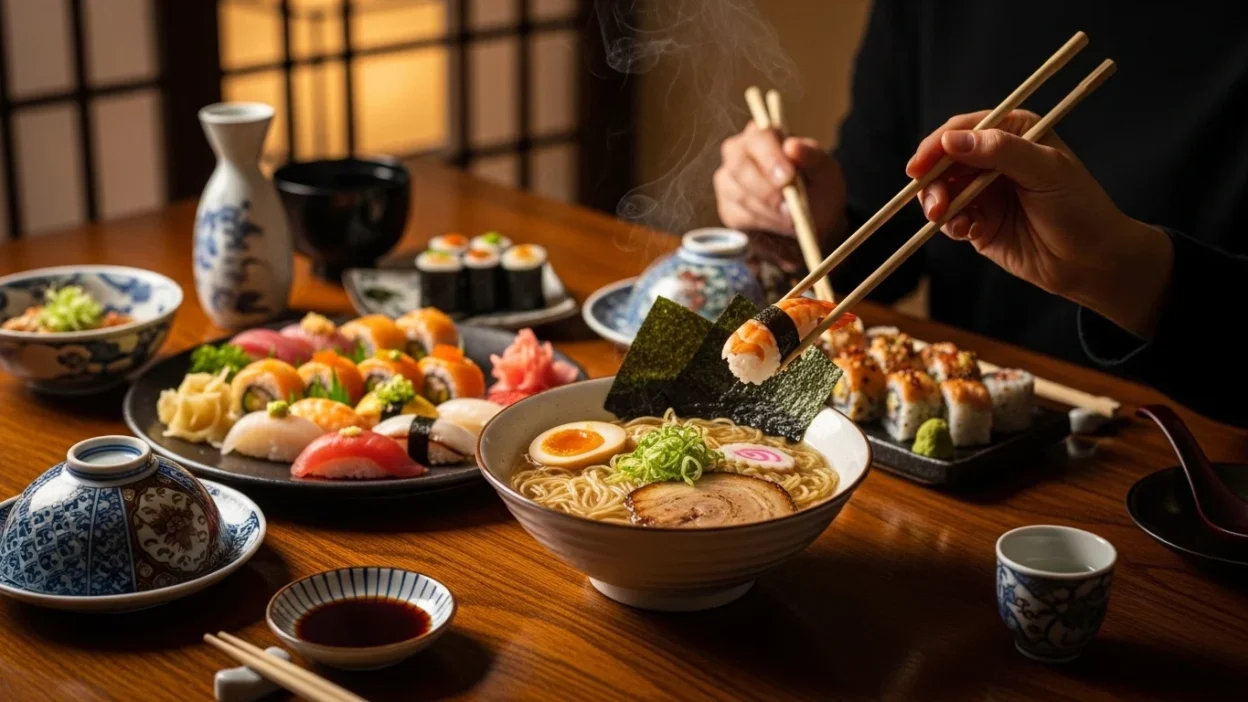
Dining in Japan reflects deep cultural values, respect, and mindfulness. Therefore, understanding proper Japanese eating etiquette helps you enjoy meals while honoring traditions.
Moreover, Japanese dining focuses on harmony, gratitude, and presentation. When you follow correct Japanese eating etiquette, you show appreciation for the food, the host, and the culture.
Additionally, whether you visit Japan or dine at a Japanese restaurant, practicing strong Japanese eating etiquette ensures a comfortable and respectful experience. As a result, you avoid common mistakes and feel more confident.
Why Japanese Eating Etiquette Matters
Food plays a central role in Japanese culture. Therefore, behavior at the table carries great importance.
Good Japanese eating etiquette helps:
- Show respect for the chef and host
- Appreciate food traditions
- Avoid cultural misunderstandings
- Create a pleasant dining atmosphere
- Reflect good manners
Because meals often hold cultural meaning, etiquette becomes essential.
Say “Itadakimasu” Before Eating
Before starting a meal, people say itadakimasu. Therefore, this phrase expresses gratitude.
What It Means
- Shows appreciation for the food
- Acknowledges the effort behind the meal
- Sets a respectful tone
Using this phrase reflects proper Japanese eating etiquette.
Use Chopsticks Properly
Chopstick behavior plays a major role in Japanese eating etiquette.
Important Rules
- Do not stick chopsticks upright in rice
- Avoid passing food directly between chopsticks
- Do not point or wave chopsticks
- Place them neatly when not in use
Correct chopstick use shows cultural awareness.
Eat Quietly but Slurp Noodles
Eating habits in Japan differ from many cultures. Therefore, understanding these differences matters.
Helpful tips include:
- Eat quietly when possible
- Slurping noodles is acceptable and even appreciated
- Avoid loud chewing
Following these habits reflects strong Japanese eating etiquette.
Finish Your Food
Leaving food behind may seem disrespectful. Therefore, finishing your meal shows appreciation.
Good practices include:
- Take only what you can eat
- Finish rice and main dishes
- Avoid wasting food
Completing your meal supports proper Japanese eating etiquette.
Use Bowls Correctly
Handling dishes properly matters in Japanese dining.
Bowl Etiquette
- Lift small bowls closer to your mouth
- Avoid bending too low over the table
- Hold bowls neatly
This technique reflects traditional Japanese eating etiquette.
Do Not Pour Your Own Drink
In social settings, serving others shows respect. Therefore, avoid pouring your own drink.
Helpful tips:
- Pour drinks for others first
- Allow others to pour for you
- Hold your glass while receiving
This custom reflects strong Japanese eating etiquette.
Say “Gochisosama” After Eating
After finishing, people express gratitude again. Therefore, saying gochisosama deshita is important.
Why It Matters
- Thanks the host or chef
- Shows appreciation for the meal
- Ends the dining experience politely
This phrase completes proper Japanese eating etiquette.
Avoid Using Phones at the Table
Respectful dining requires attention. Therefore, avoid distractions.
Avoid:
- Using your phone frequently
- Ignoring others at the table
- Interrupting conversation
Focused behavior supports good Japanese eating etiquette.
Common Japanese Eating Etiquette Mistakes
Many visitors make simple errors.
Avoid these:
- Sticking chopsticks in rice
- Wasting food
- Pouring your own drink
- Ignoring traditional phrases
Avoiding these mistakes improves your Japanese eating etiquette instantly.
Quick Japanese Eating Etiquette Checklist
| Situation | Proper Action |
|---|---|
| Before eating | Say itadakimasu |
| Chopsticks | Use correctly |
| Drinking | Serve others first |
| During meal | Eat respectfully |
| After eating | Say gochisosama |
This checklist helps you follow proper Japanese eating etiquette.
Final Thoughts
Dining in Japan offers a meaningful cultural experience. Therefore, practicing proper Japanese eating etiquette ensures respect, comfort, and appreciation during meals.
Moreover, small actions such as using chopsticks correctly, expressing gratitude, and avoiding waste make a big difference. Ultimately, when you follow strong Japanese eating etiquette, you enjoy food while honoring tradition.
FAQs
What is Japanese eating etiquette
It refers to proper manners and respectful behavior during meals in Japan.
Why do people say itadakimasu
It expresses gratitude for the food and those who prepared it.
Is slurping noodles rude in Japan
No, slurping noodles is acceptable and shows enjoyment.
Can I pour my own drink
No, you should pour drinks for others and let them serve you.
What should I avoid with chopsticks
Avoid sticking them in rice or pointing with them.
Why should I finish my food
Finishing your food shows respect and avoids waste.

Caleb Rowan is an American content writer with a strong interest in social and digital etiquette. He creates thoughtful, approachable articles for Etiquify. His writing helps readers navigate modern conversations with professionalism, balance, and empathy.