Dining in Japan carries deep cultural meaning, and table manners reflect respect, tradition, and social harmony. Therefore, understanding proper Japanese chopstick etiquette becomes essential for anyone enjoying Japanese cuisine.
While chopsticks appear simple, many traditions guide how people should handle them during meals. Moreover, chopsticks hold cultural significance in Japan.
Families teach children correct chopstick behavior from an early age, and restaurants expect diners to follow these traditions. Consequently, following proper Japanese chopstick etiquette shows appreciation for Japanese culture and respect for those sharing the meal.
In addition, correct chopstick manners help meals flow smoothly. When diners follow traditional practices, they avoid awkward situations and demonstrate cultural awareness.
Because of this, travelers, students, and business professionals benefit from learning basic Japanese chopstick etiquette before dining in Japan or visiting Japanese restaurants.
This guide explains the most important rules, practical tips, common mistakes, and helpful examples so you can confidently practice respectful Japanese chopstick etiquette during any Japanese meal.
Why Chopstick Etiquette Matters in Japan
Food traditions in Japan emphasize respect, mindfulness, and harmony. Therefore, table manners hold great importance.
Practicing good Japanese chopstick etiquette helps people:
- Show respect for Japanese culture
- Avoid unintentionally offending others
- Demonstrate good dining manners
- Enjoy meals comfortably with others
- Build positive impressions in social or business settings
Because meals often involve shared dishes, proper chopstick use helps maintain cleanliness and order.
Basic Japanese Chopstick Etiquette Rules
Hold Chopsticks Correctly
First, diners should hold chopsticks properly. Correct positioning improves control and prevents awkward movements.
Proper technique includes:
- Hold the bottom chopstick steady between the thumb and ring finger
- Move only the top chopstick using the thumb and index finger
- Keep movements gentle and precise
Although beginners may struggle at first, practice quickly improves chopstick control and supports proper Japanese chopstick etiquette.
Use the Chopstick Rest
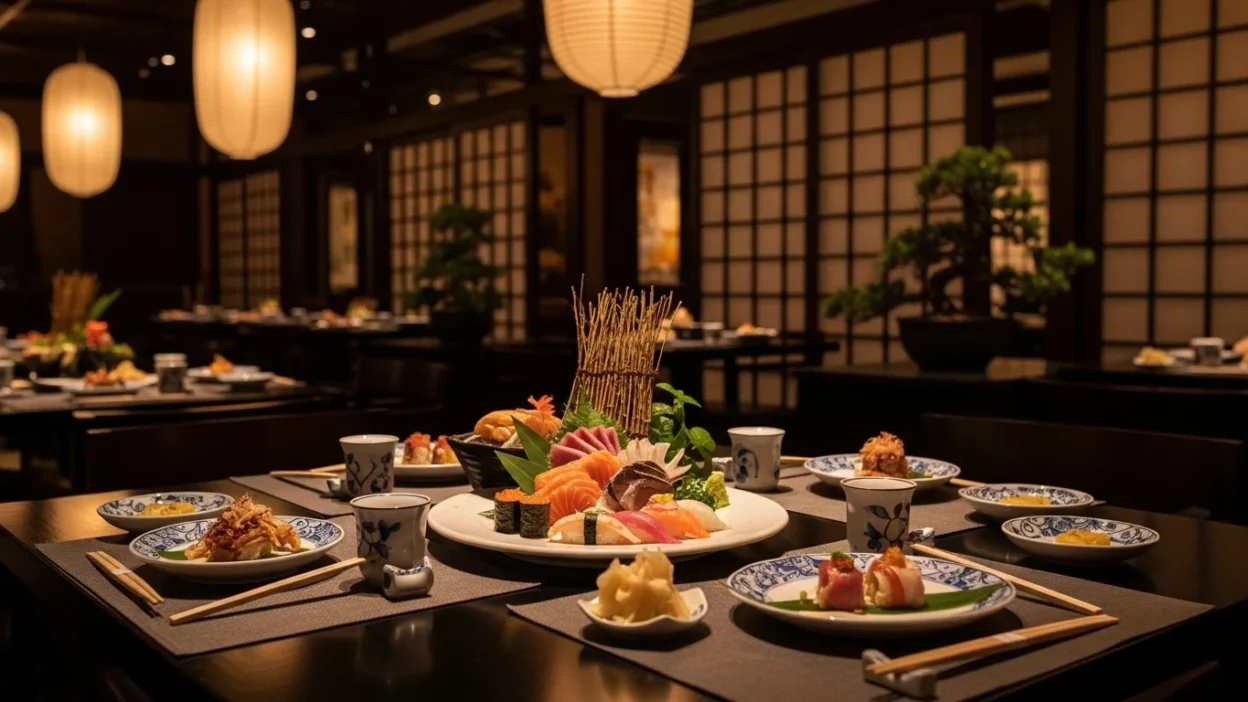
Most Japanese restaurants provide a small holder called a chopstick rest.
Proper Japanese chopstick etiquette recommends placing chopsticks on the rest whenever you pause during the meal. This simple action keeps the table clean and prevents chopsticks from touching surfaces unnecessarily.
If no rest appears, diners can place chopsticks neatly across the bowl or plate.
Take Food Carefully From Shared Plates
Japanese meals often include dishes shared by everyone at the table.
Therefore, proper Japanese chopstick etiquette suggests:
- Taking small portions at a time
- Avoiding digging through the dish
- Turning chopsticks around to use the clean end if necessary
These actions maintain hygiene and respect other diners.
Important Chopstick Behaviors to Avoid
Many chopstick actions carry negative cultural meanings in Japan. Therefore, avoiding these behaviors becomes essential.
Never Stick Chopsticks Upright in Rice
One of the most important rules of Japanese chopstick etiquette involves rice bowls.
People should never place chopsticks standing upright in rice. This action resembles a funeral ritual in Japan where incense sticks appear upright during memorial ceremonies.
Because of this cultural meaning, diners should always place chopsticks horizontally on a rest instead.
Avoid Passing Food Chopstick to Chopstick
Another key rule of Japanese chopstick etiquette involves passing food directly from one pair of chopsticks to another.
This action resembles a funeral ritual where family members pass bones during cremation ceremonies. Therefore, people should place food on a plate instead of transferring it directly.
Do Not Point With Chopsticks
Pointing at people or objects using chopsticks appears rude in Japan.
Instead, diners should:
- Use words or gestures
- Keep chopsticks focused on eating
Respectful body language supports proper Japanese chopstick etiquette.
Chopstick Etiquette During Meals
Take Small Bites
Japanese dining culture values calm and balanced eating. Therefore, diners should pick up manageable portions.
Good Japanese chopstick etiquette encourages:
- Taking small bites
- Eating slowly
- Avoiding messy movements
This approach keeps meals elegant and respectful.
Avoid Playing With Chopsticks
Some people unknowingly tap, spin, or wave chopsticks during conversation. However, this behavior appears childish and disrespectful.
Proper Japanese chopstick etiquette encourages diners to keep chopsticks still when not actively eating.
Keep Chopsticks Clean
During meals, diners should avoid licking chopsticks or using them excessively inside dishes.
Instead:
- Take food carefully
- Place chopsticks neatly when finished
- Maintain tidy table behavior
These habits demonstrate good Japanese chopstick etiquette.
Helpful Chopstick Etiquette Tips for Beginners
Learning chopstick traditions may seem challenging at first. However, a few simple habits help beginners follow proper manners.
Helpful tips include:
- Watch how others at the table use chopsticks
- Eat slowly and calmly
- Ask politely if unsure about a rule
- Keep movements gentle and controlled
Gradually, these habits help diners master Japanese chopstick etiquette.
Quick Japanese Chopstick Etiquette Guide
| Situation | Proper Behavior | What to Avoid |
|---|---|---|
| Pausing during meal | Place chopsticks on rest | Leaving chopsticks on table |
| Taking shared food | Take small portions | Digging through dishes |
| Rice bowl | Keep chopsticks horizontal | Standing chopsticks upright |
| Conversation | Keep chopsticks still | Pointing or waving |
| Passing food | Use plate transfer | Chopstick-to-chopstick passing |
Common Chopstick Etiquette Mistakes
Even well-intentioned diners sometimes make mistakes.
Common mistakes include:
- Sticking chopsticks upright in rice
- Passing food directly between chopsticks
- Playing with chopsticks while talking
- Pointing at people with chopsticks
- Digging through shared dishes
Avoiding these habits improves overall Japanese chopstick etiquette.
Example of Proper Chopstick Behavior
Imagine dining at a traditional Japanese restaurant.
A respectful sequence might look like this:
- Sit calmly and receive chopsticks politely.
- Begin eating using correct chopstick grip.
- Take small portions from shared dishes.
- Place chopsticks on the rest when pausing.
- Finish the meal neatly and respectfully.
These simple steps demonstrate excellent Japanese chopstick etiquette.
Conclusion
Dining traditions in Japan emphasize respect, mindfulness, and cultural awareness. Therefore, learning proper Japanese chopstick etiquette allows people to enjoy Japanese meals in a respectful way.
Simple habits such as placing chopsticks correctly, taking food politely from shared dishes, and avoiding culturally sensitive actions make a big difference. Moreover, practicing thoughtful Japanese chopstick etiquette helps diners show appreciation for Japanese customs and traditions.
When people follow these etiquette rules, meals become more comfortable and enjoyable for everyone at the table.
Search Intent: Informational / How-To
Frequently Asked Questions
What is Japanese chopstick etiquette?
Japanese chopstick etiquette refers to the traditional rules and manners people follow when using chopsticks during meals in Japan.
Why should chopsticks never stand upright in rice?
Standing chopsticks upright in rice resembles a funeral ritual in Japan, so people avoid this action during meals.
Is it rude to point with chopsticks?
Yes. Pointing at people or objects with chopsticks appears disrespectful and breaks proper Japanese dining manners.
Can food pass directly between chopsticks?
No. Passing food chopstick-to-chopstick resembles a funeral ceremony, so diners should place food on a plate instead.
Where should chopsticks go when not in use?
Diners should place chopsticks on a chopstick rest or across the edge of the bowl.
Is it acceptable to rub disposable chopsticks together?
Rubbing chopsticks together suggests poor quality utensils, so diners should avoid doing this in Japanese restaurants.

Caleb Rowan is an American content writer with a strong interest in social and digital etiquette. He creates thoughtful, approachable articles for Etiquify. His writing helps readers navigate modern conversations with professionalism, balance, and empathy.