
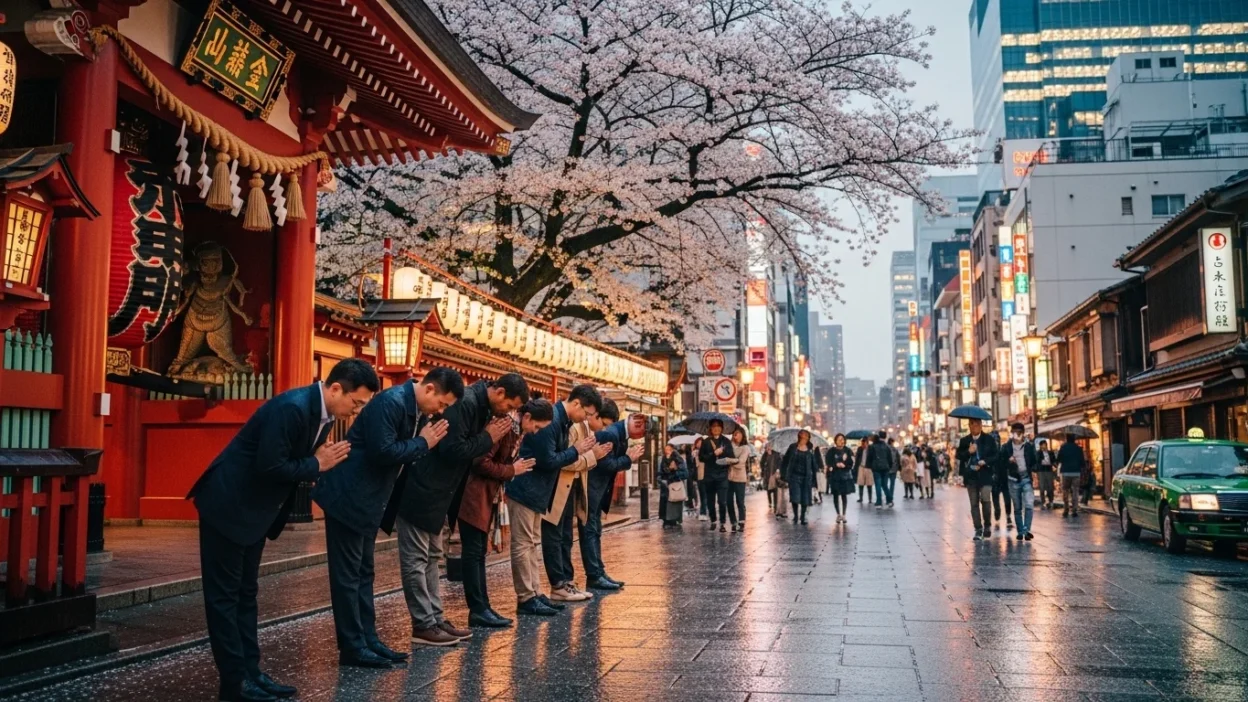
Traveling to Japan offers unforgettable experiences, from vibrant cities to peaceful temples.
However, cultural differences can feel overwhelming at first. Therefore, learning proper Japan etiquette for tourists helps visitors show respect while enjoying their journey.
Moreover, Japanese society values politeness, cleanliness, and harmony. Consequently, even small actions matter greatly in daily interactions. When travelers understand Japan etiquette for tourists, they avoid awkward situations and create positive impressions.
Additionally, following these customs allows tourists to connect more deeply with local culture. As a result, your trip becomes smoother, more respectful, and far more rewarding.
Why Etiquette Matters in Japan
Respect plays a central role in Japanese culture. Therefore, behavior in public spaces, transportation, and social settings reflects this value.
Key cultural principles include:
- Respect for others and shared spaces
- Quiet and calm public behavior
- Cleanliness and order
- Consideration for group harmony
Because of these values, understanding Japan etiquette for tourists becomes essential.
Greetings and Basic Manners
First impressions matter greatly in Japan. Therefore, polite greetings help set the tone for interactions.
Greeting Tips
- Bow slightly instead of shaking hands
- Use polite phrases like Arigatou (thank you)
- Maintain a calm and respectful tone
- Avoid excessive physical contact
Although locals may adapt to tourists, respectful behavior shows effort and appreciation.
Public Behavior and Noise Control
Japanese public spaces remain quiet and orderly. Therefore, controlling noise is an important part of Japan etiquette for tourists.
Important Guidelines
- Speak softly in public areas
- Avoid loud phone calls on trains
- Keep phones on silent mode
- Respect personal space
Quiet behavior helps maintain harmony in crowded areas.
Train and Transportation Etiquette
Public transportation in Japan operates efficiently and respectfully.
Train Etiquette Tips
- Stand in line while waiting
- Let passengers exit before entering
- Avoid eating on local trains
- Offer seats to Older passengers
Following these habits reflects proper Japan etiquette for tourists.
Dining Etiquette in Japan
Eating customs in Japan differ from many Western countries. Therefore, understanding dining rules enhances your experience.
Key Dining Rules
- Say Itadakimasu before eating
- Do not stick chopsticks upright in rice
- Avoid passing food chopstick-to-chopstick
- Slurping noodles is acceptable and sometimes encouraged
Respectful dining behavior shows cultural awareness.
Shoe Etiquette
Removing shoes plays an important role in Japanese homes and certain indoor spaces.
When to Remove Shoes
- Entering homes
- Visiting temples or traditional inns
- Some restaurants and cultural sites
Always look for provided slippers and follow local cues.
Trash and Cleanliness
Japan maintains exceptional cleanliness in public areas.
Cleanliness Tips
- Carry your trash until you find a bin
- Avoid littering at all times
- Keep personal belongings tidy
- Respect recycling rules
Clean habits reflect strong Japan etiquette for tourists.
Tipping Culture in Japan
Unlike many countries, tipping is not common in Japan.
Important points include:
- Do not tip in restaurants or taxis
- Exceptional service is already expected
- Leaving money may cause confusion
Instead, show appreciation through polite words and respect.
Respecting Temples and Cultural Sites
Japan features many historic temples and shrines. Therefore, respectful behavior remains essential.
Temple Etiquette
- Bow slightly before entering
- Wash hands at purification fountains
- Remain quiet and respectful
- Avoid taking photos where prohibited
These practices demonstrate proper Japan etiquette for tourists.
Common Mistakes Tourists Should Avoid
Even well-meaning travelers sometimes make cultural mistakes.
Avoid these behaviors:
- Speaking loudly in public
- Ignoring shoe removal rules
- Eating while walking in crowded areas
- Disrespecting queues
Avoiding these habits improves your travel experience.
Final Thoughts
Traveling through Japan becomes far more enjoyable when visitors respect local customs. Therefore, understanding Japan etiquette for tourists helps travelers navigate daily situations with confidence and ease.
Moreover, polite behavior, cultural awareness, and thoughtful actions create meaningful interactions with locals. Ultimately, following proper Japan etiquette for tourists allows you to experience the country with respect, appreciation, and deeper cultural connection.
FAQs
What is Japan etiquette for tourists
Japan etiquette for tourists includes respectful behavior, quiet public conduct, proper dining manners, and cultural awareness.
Do tourists need to bow in Japan
Yes, a slight bow is a polite and respectful way to greet people.
Is tipping expected in Japan
No, tipping is not customary and may even be considered inappropriate.
Can you talk loudly on trains in Japan
No, quiet behavior is expected on public transportation.
Do you need to remove shoes indoors
Yes, shoes should be removed in homes, temples, and some restaurants.
Is eating while walking allowed in Japan
It is generally discouraged, especially in crowded areas.

Evan Whitmore is an American writer focused on modern etiquette and communication. He contributes practical, reader friendly content to Etiquify. His work emphasizes respect, clarity, and confidence in everyday personal and professional interactions.