
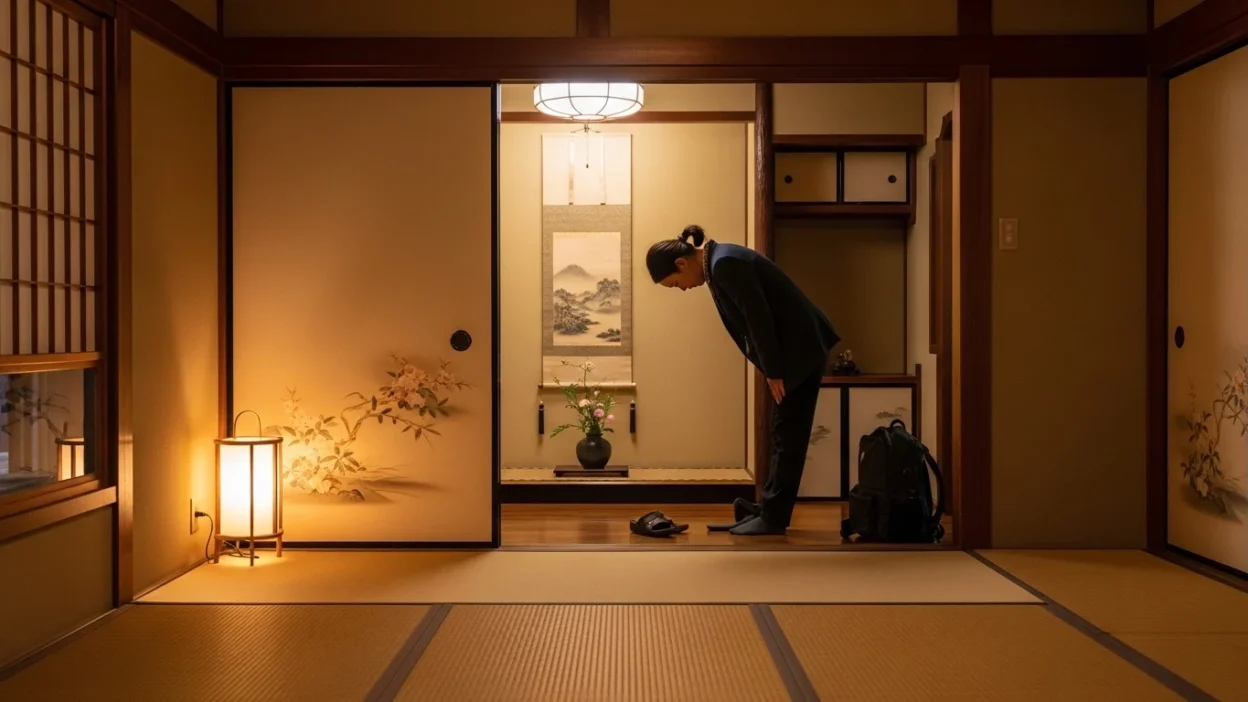
Japan has one of the most intricate and respected cultures of etiquette in the world. Therefore, understanding proper Japan etiquette is essential for travelers, business professionals, and anyone interacting with Japanese people.
Simple actions like bowing, removing shoes indoors, or handling gifts correctly can make a lasting impression. Moreover, Japanese etiquette emphasizes respect, harmony, and mindfulness. People in Japan value polite behavior, and failing to follow proper customs may cause unintentional offense.
Consequently, learning basic Japan etiquette helps visitors navigate social, professional, and daily situations smoothly.
In addition, cultural awareness improves experiences in restaurants, temples, trains, and workplaces.
Because manners guide interactions in both formal and informal settings, understanding Japan etiquette ensures respectful and pleasant communication.
This guide explains the most important rules, practical tips, dos and don’ts, and examples to help anyone follow proper Japanese customs confidently.
Why Japan Etiquette Matters
Japanese culture emphasizes harmony, respect, and mindfulness in daily life. Therefore, etiquette shapes almost every interaction, from greeting strangers to dining.
Practicing good Japan etiquette helps people:
- Avoid misunderstandings or unintended offense
- Show respect for traditions and local customs
- Build positive impressions in social or business settings
- Navigate public spaces smoothly
- Enjoy Japanese culture with confidence
Because etiquette plays a central role, even small mistakes can stand out. Learning proper manners enhances both comfort and respect.
Common Japan Etiquette Rules
Bow When Greeting
Bowing represents respect and is a fundamental part of Japan etiquette.
- A small bow suffices for casual greetings
- Deeper, longer bows show formal respect
- Shake hands only if initiated by the Japanese host
Bowing demonstrates awareness of cultural norms and appreciation for tradition.
Remove Shoes Indoors
Japanese homes, temples, and some restaurants require shoes to be removed.
Proper Japan etiquette includes:
- Placing shoes neatly facing the door
- Using provided slippers when offered
- Avoid walking on tatami mats with shoes
Removing shoes prevents dirt indoors and respects traditional Japanese spaces.
Handle Business Cards Politely
Business interactions require attention to detail. Therefore, handling business cards respectfully is a key part of Japan etiquette.
- Present and receive cards with both hands
- Study the card carefully before putting it away
- Avoid writing on the card or folding it
These steps show professionalism and respect for your counterpart.
Speak Quietly in Public
Japanese culture values quiet and calm public spaces.
Proper Japan etiquette includes:
- Keeping voices low on trains, buses, and elevators
- Avoiding loud phone conversations
- Maintaining a polite tone during group interactions
This behavior creates harmony and avoids drawing unwanted attention.
Follow Dining Manners
Dining in Japan carries specific customs.
Key Japan etiquette tips:
- Do not stick chopsticks upright in rice
- Avoid passing food chopstick-to-chopstick
- Use the opposite end of chopsticks when sharing dishes
- Say “Itadakimasu” before eating and “Gochisousama” after meals
Respecting these rules demonstrates cultural awareness during meals.
Public Transportation Etiquette
Japan’s trains, buses, and subways rely on social order. Therefore, proper behavior matters.
- Stand on the correct side of escalators (left in Tokyo, right in Osaka)
- Avoid eating or drinking on trains
- Offer seats to elderly, disabled, or pregnant passengers
- Queue politely for boarding and exiting
These actions reflect good Japan etiquette in public transportation.
Gift Giving Etiquette
Gift-giving is a common cultural practice in Japan. Proper etiquette ensures the gesture is appreciated.
- Present gifts with both hands
- Wrap gifts neatly
- Avoid extravagant or overly cheap items
- Express gratitude upon receiving gifts
Following these rules strengthens relationships and shows respect.
Dos and Don’ts of Japan Etiquette
Dos
- Bow politely during greetings
- Keep personal space in crowded areas
- Respect temples and shrines
- Handle items with care
- Listen attentively in conversations
Don’ts
- Avoid pointing at people
- Do not blow your nose in public
- Avoid eating while walking
- Never stick chopsticks upright in food
- Avoid loud behavior or arguing
These habits help people follow proper Japan etiquette everywhere.
Example of Proper Japan Etiquette
Imagine visiting a traditional Japanese home:
- Bow politely upon arrival.
- Remove shoes and use slippers provided.
- Greet family members calmly and respectfully.
- Handle any gifts with both hands.
- Maintain polite conversation and soft voice throughout the visit.
Following these steps demonstrates excellent Japan etiquette.
Conclusion
Understanding Japan etiquette allows visitors and professionals to navigate social, public, and business settings respectfully. Small actions such as bowing correctly, removing shoes indoors, speaking quietly, and handling gifts politely make a significant difference.
Moreover, practicing these manners demonstrates cultural awareness, builds respect, and enhances overall experiences in Japan. By following proper etiquette, anyone can enjoy the richness of Japanese culture while leaving a positive impression on those they meet.
Search Intent: Informational / How-To
Frequently Asked Questions
What is Japan etiquette?
Japan etiquette refers to traditional and social manners observed in Japanese culture, including greetings, dining, and public behavior.
Why should visitors remove shoes indoors?
Removing shoes keeps homes and sacred spaces clean and shows respect for Japanese customs.
How do you bow properly in Japan?
Small bows suit casual interactions, while deeper bows show formal respect in professional or ceremonial settings.
What are basic dining etiquette rules in Japan?
Do not stick chopsticks upright, avoid passing food chopstick-to-chopstick, and always say “Itadakimasu” before eating.
Can I speak loudly on trains in Japan?
No. Speaking quietly in public spaces like trains and elevators is part of proper Japan etiquette.
How should gifts be presented in Japan?
Gifts should be wrapped neatly and given with both hands to demonstrate respect.

Caleb Rowan is an American content writer with a strong interest in social and digital etiquette. He creates thoughtful, approachable articles for Etiquify. His writing helps readers navigate modern conversations with professionalism, balance, and empathy.