
Interview etiquette plays a crucial role in how candidates are evaluated. While skills and experience matter, behavior often influences decisions just as strongly.
Therefore, understanding interview etiquette helps candidates present themselves confidently, professionally, and respectfully.
Moreover, interviews create first impressions that last. As a result, small details such as punctuality, tone, and body language carry significant weight.
When interview etiquette is practiced correctly, candidates communicate reliability, preparation, and professionalism.
Through clear guidance and practical examples, this article explains interview etiquette in a way that feels approachable and easy to apply.
What Interview Etiquette Means
Interview etiquette refers to the accepted professional behaviors expected before, during, and after an interview.
Although interview styles vary, respect, preparation, and courtesy remain universal.
Consequently, etiquette helps candidates align their behavior with employer expectations.
Why Interview Etiquette Is Important
Interview etiquette influences hiring decisions more than many realize. Therefore, it deserves serious attention.
Interview etiquette matters because:
- First impressions form quickly
- Professionalism builds trust
- Confidence appears naturally
- Communication becomes clearer
As a result, candidates stand out positively.
Pre Interview Etiquette Rules
Preparation And Punctuality
Strong preparation sets the tone early.
- Research the company beforehand
- Arrive 10–15 minutes early
- Bring required documents
- Dress appropriately for the role
Therefore, preparation signals seriousness and respect.
Greeting And Introduction Etiquette
Making A Polite First Impression
The interview begins immediately upon arrival.
- Greet politely with a smile
- Offer a firm handshake if appropriate
- Maintain eye contact
- Address interviewers formally
Consequently, confidence appears calm and professional.
Body Language Etiquette During Interviews
Non Verbal Communication Rules
Body language speaks constantly.
- Sit upright and relaxed
- Avoid fidgeting
- Nod to show engagement
- Maintain attentive posture
Positive body language reinforces spoken answers.
Speaking And Answering Etiquette
Communicating Clearly And Respectfully
How answers are delivered matters greatly.
- Listen carefully before responding
- Speak clearly and confidently
- Avoid interrupting
- Stay focused on the question
Therefore, communication remains effective and respectful.
Question Asking Etiquette
Asking Smart And Polite Questions
Thoughtful questions show interest.
- Ask about role expectations
- Avoid salary questions too early
- Keep questions relevant
- Thank interviewers for answers
Good questions demonstrate preparation and curiosity.
Virtual Interview Etiquette
Online Interview Best Practices
Virtual interviews require extra awareness.
- Test technology beforehand
- Choose a quiet, clean background
- Dress professionally
- Maintain camera eye contact
Therefore, professionalism remains visible even online.
Post Interview Etiquette
Following Up Politely
Follow-up etiquette matters greatly.
- Send a thank-you email
- Express appreciation briefly
- Reaffirm interest in the role
- Avoid excessive follow-ups
Polite follow-ups leave lasting positive impressions.
Interview Etiquette Dos And Don’ts
✅ Dos
- Do arrive prepared
- Do speak respectfully
- Do listen attentively
- Do thank interviewers
❌ Don’ts
- Don’t arrive late
- Don’t interrupt
- Don’t criticize past employers
- Don’t use casual language
Common Interview Etiquette Mistakes
Mistakes often occur under pressure.
Frequent Errors
- Poor eye contact
- Overconfidence or nervousness
- Inappropriate dress
- Lack of preparation
Avoiding these mistakes improves success rates.
Frequently Asked Questions
Why is interview etiquette important?
It shapes first impressions and reflects professionalism.
Is punctuality part of interview etiquette?
Yes, punctuality is essential.
Does interview etiquette differ for virtual interviews?
Yes, technology and environment play larger roles.
Should candidates ask questions during interviews?
Yes, thoughtful questions show interest.
Is sending a thank-you email necessary?
Yes, it reinforces professionalism and appreciation.
Final Thoughts
Interview etiquette influences how candidates are remembered long after the conversation ends.
While qualifications matter, respectful behavior, clear communication, and professional presence often decide outcomes.
Therefore, mastering interview etiquette builds confidence, reduces mistakes, and strengthens impressions.
When candidates prepare carefully, act courteously, and follow etiquette consistently, interviews become opportunities to connect, impress, and succeed professionally with clarity and confidence.
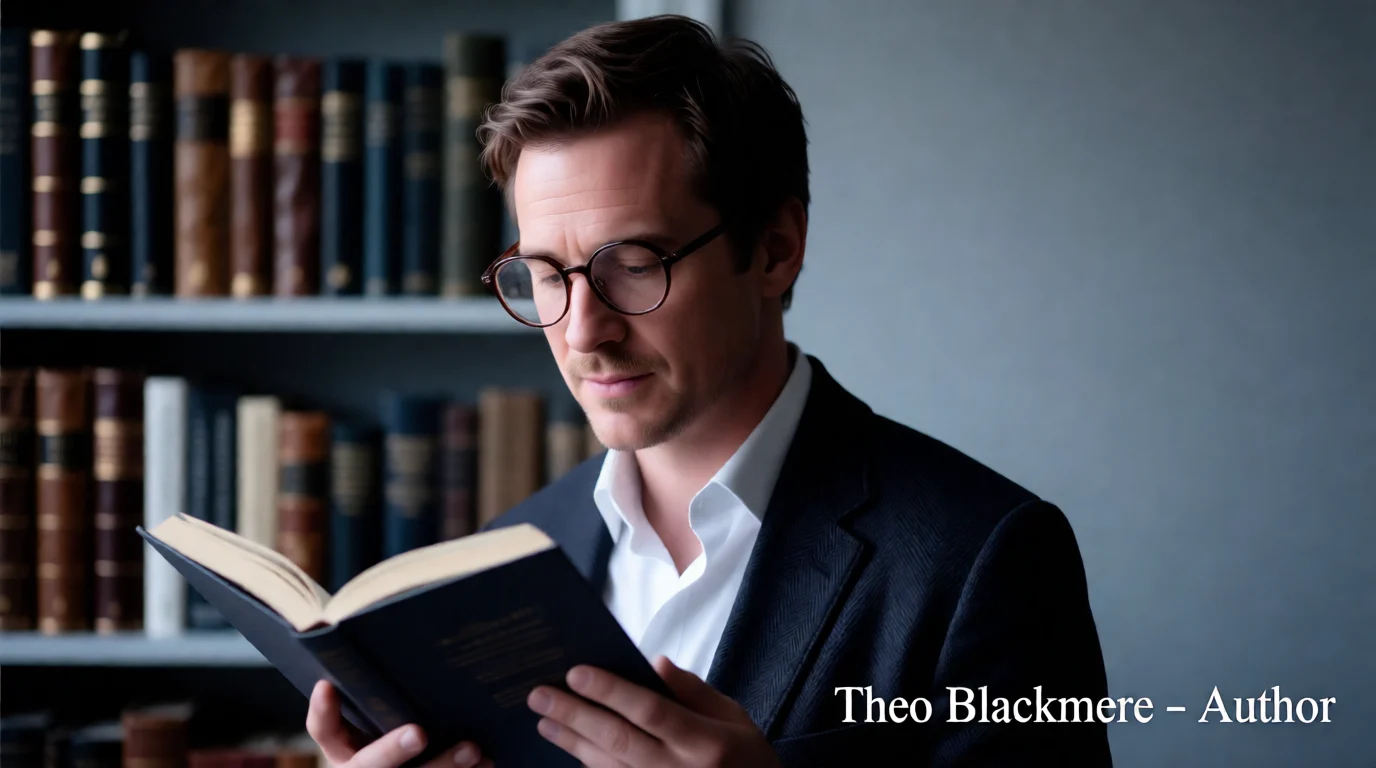
Theo Blackmere is an American writer focused on etiquette and professional communication. He contributes insightful, well structured content to Etiquify. His writing emphasizes respect, clarity, and modern social awareness across personal and professional interactions.