
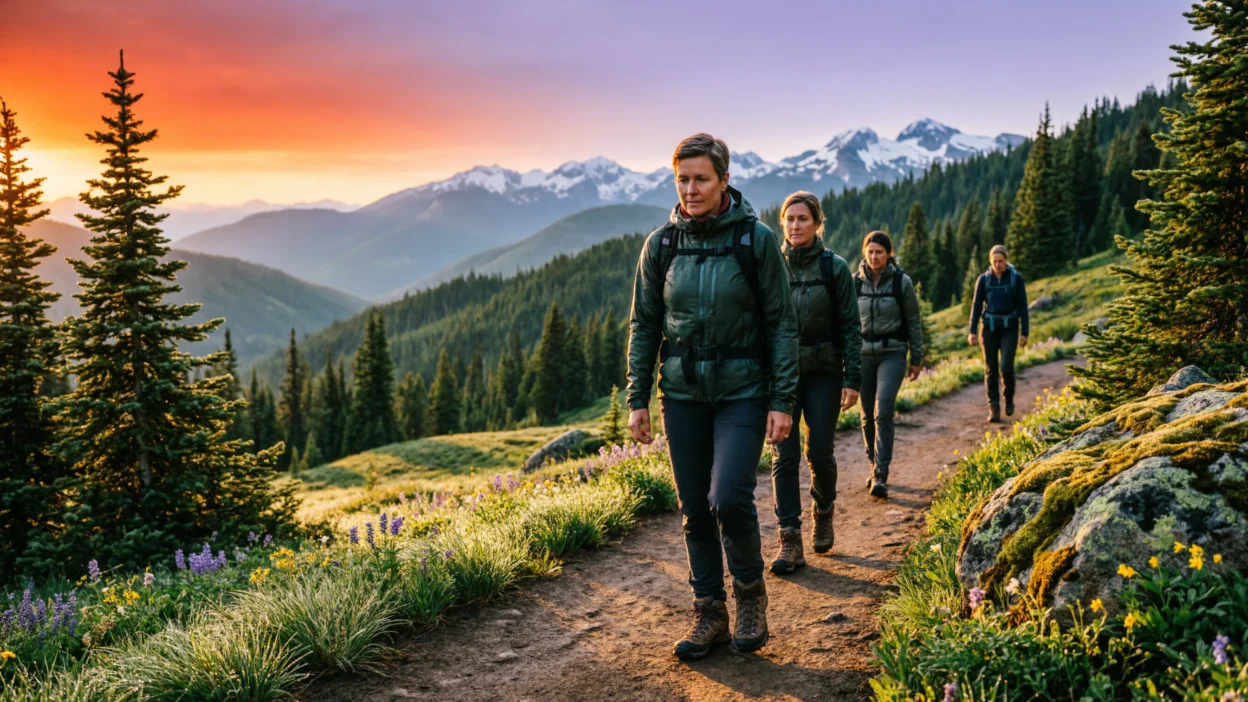
Hiking brings people closer to nature, yet shared trails require shared responsibility. Hiking etiquette ensures everyone enjoys the outdoors safely, respectfully, and peacefully.
Because trails host hikers, runners, families, and wildlife simultaneously, small actions strongly influence the overall experience.
Moreover, proper trail behavior protects fragile ecosystems while reducing conflicts between trail users. When hikers follow basic etiquette, paths stay clean, wildlife remains safe, and interactions remain friendly.
Instead of rigid rules, hiking etiquette focuses on awareness, courtesy, and environmental care. This guide offers practical advice, real-life examples, and clear dos and don’ts so every hike feels enjoyable and respectful.
What Is Hiking Etiquette?
Hiking etiquette refers to accepted behaviors that promote safety, courtesy, and environmental protection on trails.
Why Hiking Etiquette Matters
- Keeps trails safe for everyone
- Protects natural habitats
- Reduces conflict among hikers
- Preserves outdoor experiences
Because trails are shared spaces, etiquette creates harmony.
Right of Way on Trails
Knowing who yields prevents confusion.
Who Has the Right of Way
Understanding trail hierarchy is essential.
Standard trail rules
- Hikers yield to uphill hikers
- Bikers yield to hikers
- Everyone yields to horses
Yielding properly shows strong hiking etiquette.
Staying on Marked Trails
Trails exist for a reason.
Why Staying on Trails Matters
Leaving paths damages ecosystems.
Key reasons
- Prevents soil erosion
- Protects plant life
- Maintains trail safety
Staying marked reflects responsible hiking etiquette.
Noise and Volume Control
Nature values quiet.
Keeping Sound Respectful
Sound travels far outdoors.
Helpful habits
- Speak softly
- Avoid loud music
- Enjoy natural sounds
Quiet behavior supports peaceful hiking etiquette.
Passing Other Hikers Politely
Passing requires awareness.
How to Pass Respectfully
Courtesy avoids awkward moments.
Best practices
- Announce politely
- Pass on the left when possible
- Give space
Clear communication reflects good hiking etiquette.
Hiking with Groups
Groups must be extra mindful.
Group Hiking Manners
Large groups affect trail flow.
Group guidelines
- Hike single file on narrow trails
- Allow others to pass
- Control group noise
Cooperation keeps trails accessible.
Wildlife Etiquette on Trails
Wildlife deserves distance.
Respecting Animals Properly
Observation should remain passive.
Important rules
- Never feed wildlife
- Keep distance
- Secure food properly
Wildlife safety is a core part of hiking etiquette.
Leave No Trace Principles
Leaving nothing behind matters.
Proper Trail Cleanliness
Everything you bring must leave with you.
Clean trail habits
- Pack out all trash
- Avoid damaging plants
- Dispose of waste correctly
Clean practices protect future hikers.
Hiking Etiquette with Dogs
Pets require responsibility.
Dog-Friendly Trail Behavior
Dogs must respect others.
Pet etiquette
- Keep dogs leashed
- Clean up waste
- Control barking
Responsible pet handling reflects strong hiking etiquette.
Trail Courtesy at Scenic Spots
Views attract crowds.
Sharing Scenic Areas
Popular spots need patience.
Courtesy tips
- Take turns at viewpoints
- Avoid blocking paths
- Limit long photo sessions
Sharing views keeps hikes enjoyable.
Common Hiking Etiquette Mistakes
Mistakes affect everyone.
Mistakes to Avoid
- Playing loud music
- Blocking trails
- Leaving trash
- Ignoring right-of-way
Awareness improves hiking etiquette instantly.
Hiking Etiquette Dos and Don’ts
| Do | Don’t |
|---|---|
| Yield properly | Block trails |
| Stay quiet | Play loud music |
| Pack out trash | Leave waste |
| Respect wildlife | Feed animals |
Real-Life Hiking Etiquette Examples
Example: Busy Weekend Trail
You yield politely, stay on the path, and keep noise low.
Example: Hiking with Friends
Your group hikes single file and allows others to pass easily.
Example: Wildlife Encounter
You observe quietly and maintain safe distance.
Each example reflects proper hiking etiquette in action.
Why Hiking Etiquette Preserves Trails
Etiquette protects shared experiences.
Long-Term Benefits
- Safer hiking environments
- Healthier ecosystems
- Friendlier trail culture
- Sustainable outdoor recreation
Respect keeps nature accessible.
Final Thoughts on Hiking Etiquette
Hiking etiquette is rooted in respect for people, wildlife, and nature. By yielding properly, staying on trails, controlling noise, and leaving no trace, hikers contribute positively to shared outdoor spaces. These simple habits reduce conflict and protect natural beauty.
Ultimately, hiking etiquette ensures that trails remain welcoming for everyone. When hikers act with awareness and courtesy, each step supports a more peaceful, sustainable, and enjoyable outdoor experience.
FAQ,s
What is basic hiking etiquette?
It includes yielding properly, staying on trails, and respecting others.
Who has the right of way on trails?
Uphill hikers usually have the right of way.
Is music allowed while hiking?
Yes, but it should be very quiet or avoided.
Should hikers stay on marked trails?
Yes, staying on trails protects nature and safety.
How do hikers respect wildlife?
By observing from a distance and never feeding animals.
Why is hiking etiquette important?
It keeps trails safe, clean, and enjoyable for everyone.

Theo Blackmere is an American writer focused on etiquette and professional communication. He contributes insightful, well structured content to Etiquify. His writing emphasizes respect, clarity, and modern social awareness across personal and professional interactions.