
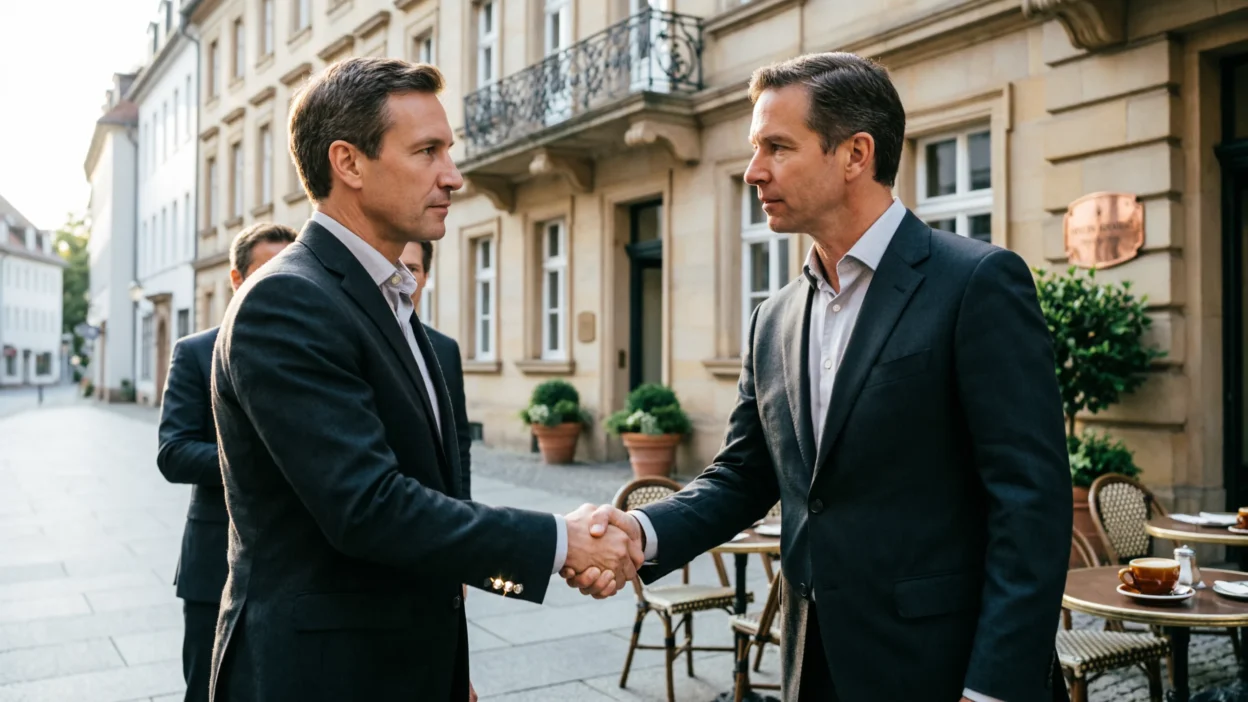
German etiquette reflects structure, punctuality, and direct communication. Because social and professional life in Germany values order and clarity, understanding cultural expectations helps you build trust quickly. Therefore, whether visiting cities like Berlin or Munich, proper conduct leaves a strong impression.
Moreover, small details often carry significant weight in German society.
Punctuality Is Essential
Time is taken seriously.
Arrive Exactly On Time
Being late, even by a few minutes, may be viewed as disrespectful. Therefore, plan carefully and allow extra travel time.
Inform If Delayed
If unavoidable delays occur, notify your host immediately.
Greetings And Introductions
First impressions matter.
Firm Handshake
Offer a firm handshake with direct eye contact. Additionally, use formal titles such as Herr (Mr.) or Frau (Ms.) followed by the surname.
Use Formal “Sie”
In conversation, use the formal “Sie” instead of “du” unless invited to switch.
Communication Style
German communication tends to be direct.
Be Clear And Honest
Express your ideas clearly without exaggeration. Because precision is valued, avoid vague statements.
Separate Personal And Professional
Professional discussions typically stay focused on business matters rather than personal topics.
Dining Etiquette In Germany
Table manners are structured yet relaxed.
Wait To Begin
Do not start eating until everyone has been served and someone says “Guten Appetit.”
Keep Hands Visible
Rest wrists lightly on the table, but avoid placing elbows on it.
Finish Your Plate
Unlike some cultures, finishing your meal is considered polite.
Gift Giving Customs
Gifts are appreciated but not excessive.
Bring Flowers Or Chocolate
If invited to someone’s home, bring a small gift such as flowers or quality chocolate.
Avoid red roses, as they symbolize romance.
Public Behavior Expectations
Orderliness defines public life.
Follow Rules Strictly
For example, pedestrians often wait at crosswalk signals even if no cars are present.
Respect Quiet Hours
In many residential areas, Sunday is considered a quiet day.
Business Etiquette In Germany
Professional culture is formal and structured.
Dress Conservatively
Business attire should be polished and understated.
Prepare Thoroughly
Meetings require detailed preparation and clear agendas.
Companies headquartered in cities like Frankfurt often emphasize efficiency and documentation.
Common German Etiquette Mistakes
Avoid these errors:
- Arriving late
- Using first names too quickly
- Overpromising
- Ignoring formal titles
- Speaking too casually in business settings
Attention to detail prevents misunderstandings.
Why German Etiquette Matters
German society values reliability, discipline, and mutual respect. Because consistency builds credibility, following etiquette strengthens both personal and professional relationships. Furthermore, structured behavior reflects cultural appreciation and social intelligence.
Understanding these norms demonstrates maturity and respect.
Final Thoughts On German Etiquette
German etiquette centers on punctuality, clarity, and respectful formality. When you arrive on time, communicate directly, and observe proper greetings, you immediately convey professionalism.
Moreover, respecting quiet hours, dining customs, and public order shows awareness of social expectations.
Because German culture values structure and reliability, thoughtful conduct earns long-term trust.
Ultimately, mastering German etiquette is about discipline balanced with sincerity — and that combination leaves a powerful, positive impression.
FAQ,s
Is punctuality really important in Germany?
Yes, being on time is extremely important.
Should I use first names immediately?
No, wait until invited to switch to informal address.
Is direct communication considered rude?
No, directness is normal and valued.
Should I bring a gift when invited home?
Yes, a small thoughtful gift is appreciated.
Are quiet hours enforced?
Yes, especially on Sundays and evenings.
Is business dress formal?
Yes, conservative professional attire is preferred.

Caleb Rowan is an American content writer with a strong interest in social and digital etiquette. He creates thoughtful, approachable articles for Etiquify. His writing helps readers navigate modern conversations with professionalism, balance, and empathy.