
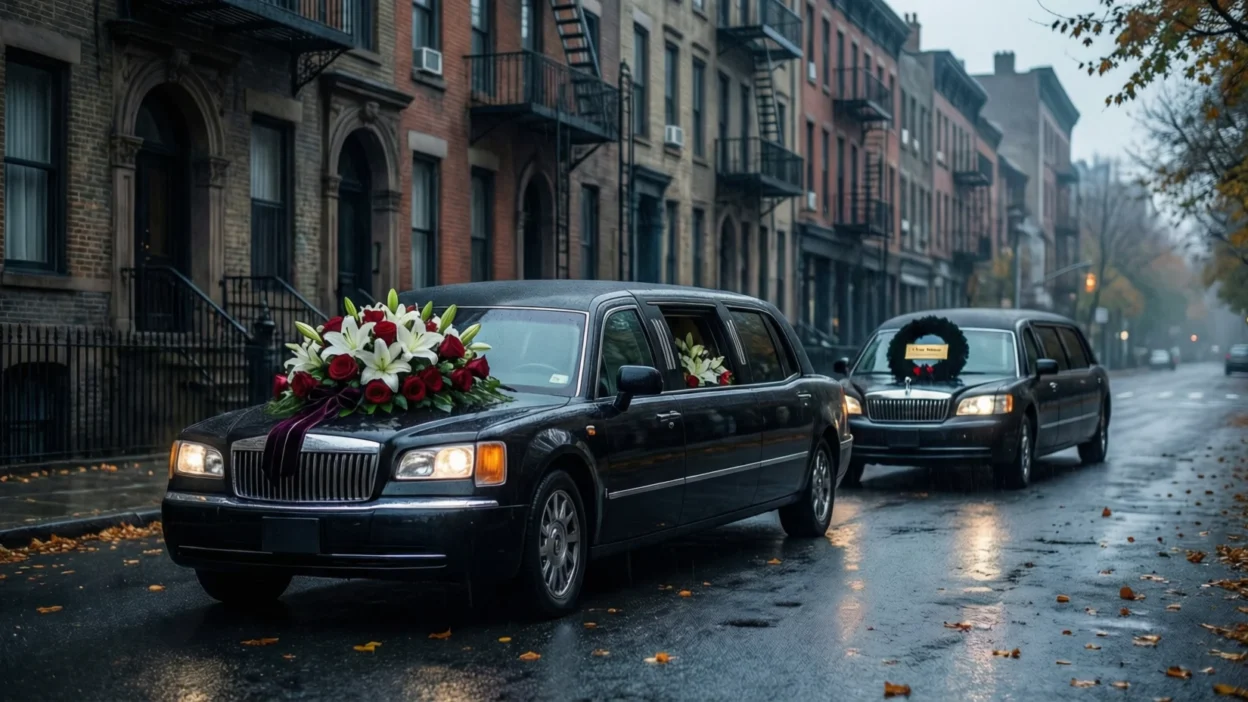
Funeral processions represent grief, respect, and remembrance. Therefore, understanding funeral procession etiquette is extremely important. Moreover, these moments honor the deceased and support grieving families. As a result, proper behavior shows compassion and dignity.
Additionally, many people feel unsure about what to do when encountering a funeral procession. Consequently, confusion may cause accidental disrespect.
Furthermore, etiquette provides clarity during emotional moments. Ultimately, learning funeral procession etiquette helps communities express sympathy while maintaining safety and order.
What Is Funeral Procession Etiquette?
Simple Explanation
Funeral procession etiquette refers to respectful behavior shown toward vehicles and people participating in a funeral procession.
Core Purpose
These guidelines exist to honor the deceased. Therefore, courtesy and patience remain essential.
Why Funeral Procession Etiquette Matters
Showing Respect
Firstly, processions symbolize final farewells. Therefore, respectful conduct matters deeply.
Supporting Grieving Families
Moreover, etiquette protects emotional space. Consequently, families feel supported.
Ensuring Safety
Additionally, proper behavior reduces accidents. As a result, everyone remains safe.
Etiquette When Driving Near Processions
Yielding The Right Of Way
Slow down and allow the procession to pass. Therefore, disruption is avoided.
Avoiding Interruptions
Never cut through a procession. Consequently, respect remains intact.
Etiquette At Intersections
Following Traffic Laws
Processions often move together. Therefore, follow police or escort directions.
Waiting Patiently
Remain stopped until the procession clears. Consequently, dignity is preserved.
Etiquette For Pedestrians
Standing Respectfully
Pause and stand quietly. Therefore, respect is clearly shown.
Avoiding Distractions
Remove hats and silence phones. Consequently, focus remains respectful.
Funeral Procession Etiquette For Participants
Vehicle Spacing
Maintain close spacing between vehicles. Therefore, the procession stays unified.
Headlights And Hazards
Turn headlights on when required. Consequently, visibility improves.
Cultural And Religious Considerations
Understanding Traditions
Different cultures follow unique customs. Therefore, observe carefully.
Asking When Unsure
Ask discreetly if unclear. Consequently, mistakes are avoided.
Common Funeral Procession Mistakes
Frequent Errors
Honking, speeding, and overtaking are common mistakes. Additionally, using phones appears disrespectful.
How To Avoid Them
Stay alert and patient. Moreover, observe others’ behavior.
Legal Rules And Etiquette Balance
Knowing Local Laws
Traffic laws vary by location. Therefore, follow local regulations.
Combining Law And Respect
Even when legal, patience matters. Consequently, empathy leads behavior.
Benefits Of Following Funeral Procession Etiquette
Community Respect
Firstly, communities feel unified. Secondly, dignity is preserved.
Personal Integrity
Moreover, etiquette reflects compassion. As a result, values are demonstrated.
Frequently Asked Questions About Funeral Procession Etiquette
Should cars stop for a funeral procession?
Yes, stopping shows respect and prevents disruption.
Is it illegal to pass a procession?
Often yes, depending on local laws.
Should pedestrians stop during a procession?
Yes, pausing quietly is respectful.
Do headlights need to be on?
Usually yes, especially for participants.
Is honking ever acceptable?
No, honking is considered disrespectful.
What if I’m late because of one?
Patience matters more than punctuality.
Final Thoughts
Funeral procession etiquette reflects humanity, patience, and respect. Therefore, calm and courteous behavior honors both the deceased and grieving families.
Moreover, etiquette creates safer roads and compassionate communities. As a result, understanding these customs allows people to respond thoughtfully during sensitive moments while showing dignity, empathy, and shared respect.

Caleb Rowan is an American content writer with a strong interest in social and digital etiquette. He creates thoughtful, approachable articles for Etiquify. His writing helps readers navigate modern conversations with professionalism, balance, and empathy.