
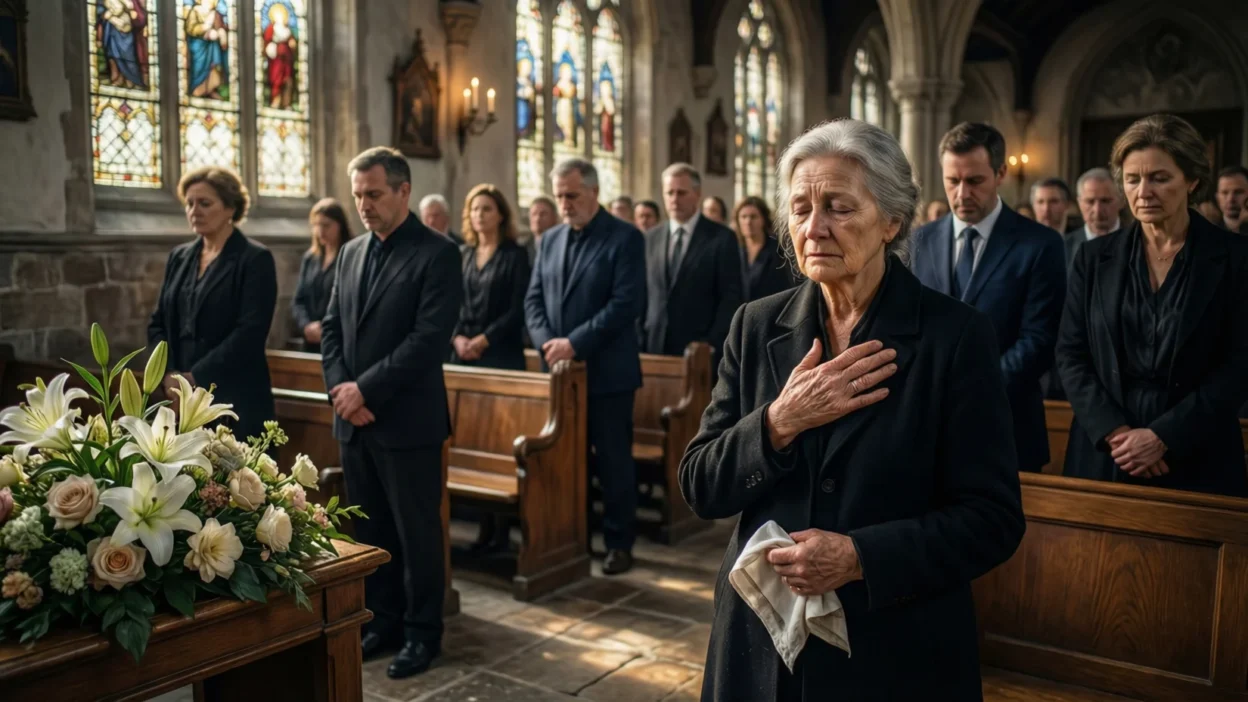
Funeral etiquette refers to the customs and respectful behaviors expected when attending a funeral, memorial service, or burial.
These guidelines exist to honor the deceased while offering quiet support to grieving family members and friends.
Although funeral traditions vary across cultures and religions, the underlying purpose remains the same.
By following proper etiquette, attendees help create a calm, supportive environment during an emotionally difficult time.
Therefore, understanding these expectations allows people to show compassion without drawing attention to themselves.
What Funeral Etiquette Means
Respect for the Deceased
Funeral etiquette prioritizes honoring the life and memory of the person who has passed.
Consideration for Mourners
Behavior should focus on supporting grieving family and friends.
Awareness of Setting
Funerals require calm, modest, and respectful conduct.
Why Funeral Etiquette Is Important
Shows Compassion
Thoughtful behavior demonstrates empathy during loss.
Prevents Discomfort
Clear expectations help avoid awkward or hurtful moments.
Maintains Dignity
Respectful conduct preserves the solemn nature of the service.
What to Wear to a Funeral
Choose Modest Clothing
Dark, neutral colors are generally appropriate.
Avoid Flashy Attire
Simple clothing keeps attention focused on the purpose of the gathering.
Consider Cultural Customs
Some traditions may have specific dress expectations.
Proper Behavior During a Funeral Service
Arrive on Time
Punctuality prevents disruption and shows respect.
Silence Electronic Devices
Phones should be turned off or set to silent.
Remain Attentive
Quiet presence matters more than participation.
What to Say at a Funeral
Offer Simple Condolences
Brief and sincere words are often best.
Avoid Explanations or Advice
Grief does not need to be analyzed or corrected.
Listening Matters
Being present is often more meaningful than speaking.
Funeral Etiquette at the Graveside
Follow the Family’s Lead
Observe how others behave and follow accordingly.
Participate Respectfully
Optional gestures, such as placing flowers or soil, should be done quietly.
Leave Calmly
Depart without lingering unless invited to stay.
Funeral Etiquette for Flowers and Gifts
Flowers
Check whether flowers are appropriate for the service.
Donations
Charitable donations may be requested instead of flowers.
Sympathy Cards
Handwritten messages are thoughtful and meaningful.
Funeral Etiquette for Children
Consider Age and Readiness
Children should attend only if they can behave quietly.
Prepare Them in Advance
Explain expectations gently and clearly.
Step Out if Needed
Leaving briefly is acceptable if a child becomes restless.
Common Funeral Etiquette Mistakes
Arriving Late
Late arrivals disrupt the service.
Using Phones
Phone use appears disrespectful during ceremonies.
Making the Moment About Yourself
Funerals focus on the deceased and their loved ones.
Funeral Etiquette Dos and Don’ts
| Do | Don’t |
|---|---|
| Dress modestly | Wear bright or casual clothing |
| Speak softly | Talk loudly or laugh |
| Silence your phone | Use devices during the service |
| Offer simple condolences | Give unsolicited advice |
| Follow traditions | Ignore cultural customs |
Funeral Etiquette Across Cultures
Religious Funerals
Customs vary widely based on faith.
Cultural Differences
Behavior expectations may differ by region.
When Unsure
Observing others helps guide respectful actions.
Frequently Asked Questions
What is funeral etiquette?
Funeral etiquette refers to respectful behavior expected during funeral services and related gatherings.
Is it acceptable to attend a funeral without knowing the family well?
Yes. Attendance itself shows support and respect.
Should phones be turned off at funerals?
Yes. Phones should be silenced or turned off completely.
Are flowers always appropriate?
Not always. Some families request donations instead.
How long should condolences be expressed?
Brief and sincere messages are most appropriate.
Conclusion
Funeral etiquette exists to guide people through moments of shared grief with dignity and care.
While customs may differ, respectful behavior, quiet presence, and thoughtful words remain universally important.
By understanding how to dress appropriately, behave calmly, and communicate compassionately, attendees can offer genuine support without causing discomfort.
Moreover, practicing proper funeral etiquette allows individuals to honor the deceased while providing comfort to those mourning.
In times of loss, small acts of respect carry deep meaning.
Ultimately, awareness and consideration help create a peaceful environment where remembrance and healing can begin.
Evan Whitmore is an American writer focused on modern etiquette and communication. He contributes practical, reader friendly content to Etiquify. His work emphasizes respect, clarity, and confidence in everyday personal and professional interactions.