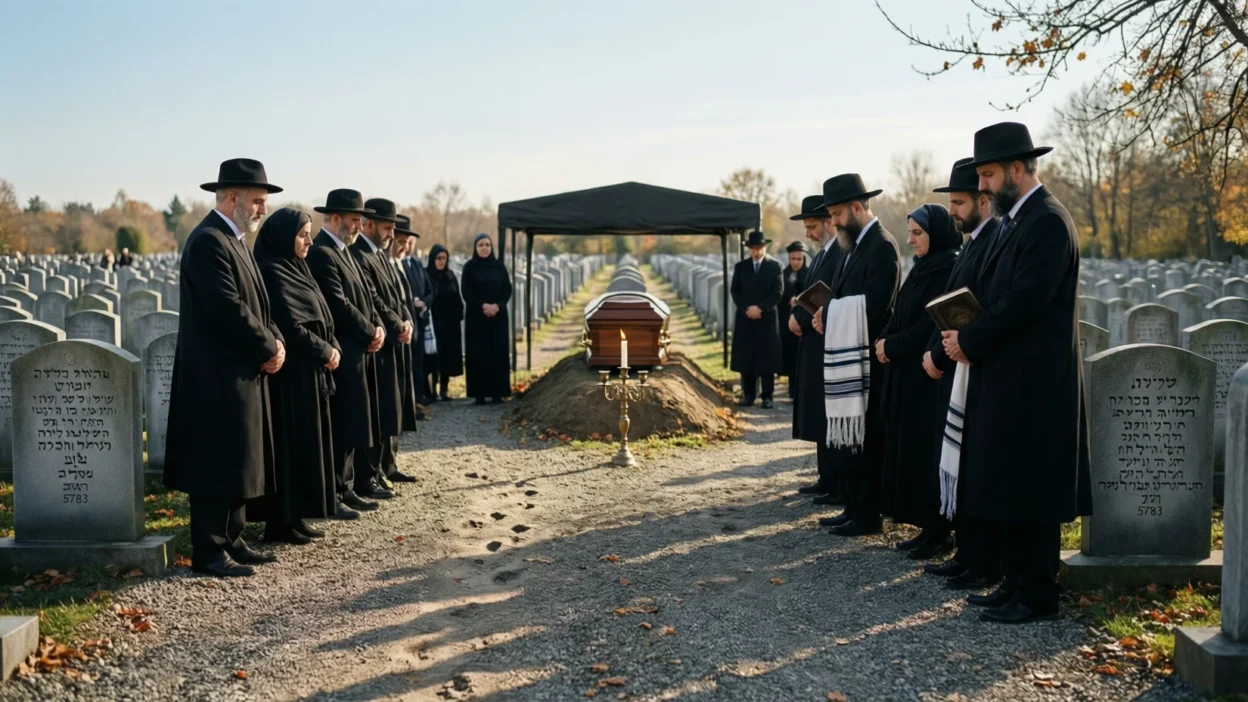
Attending a Jewish funeral as a non Jew can feel unfamiliar, especially when customs differ from other religious services.
Jewish funeral etiquette focuses on respect, simplicity, and honoring the deceased rather than ceremony or display.
Understanding these traditions helps guests show compassion while avoiding unintentional disrespect.
Although practices may vary slightly depending on community or denomination, the core principles remain consistent.
Understanding Jewish Funeral Traditions
Emphasis on Simplicity
Jewish funerals are modest by design, focusing on remembrance rather than decoration.
Respect for the Deceased
Honoring the life of the person who has passed is the central purpose of the service.
Community Support
Funerals emphasize comforting mourners rather than celebrating with guests.
What Non-Jews Should Know Before Attending
Timing Is Important
Jewish funerals often take place quickly, sometimes within 24 hours of death.
Expect a Short Service
Services are usually brief and solemn.
Burial Is Central
Cremation is generally discouraged in Jewish tradition.
What to Wear to a Jewish Funeral
Choose Conservative Clothing
Dark, modest attire is most appropriate.
Avoid Bright Colors
Simple and subdued clothing reflects respect.
Head Coverings
Men may be offered a kippah; wearing it is respectful even if you are not Jewish.
Proper Behavior During the Service
Remain Quiet and Attentive
Silence and attentiveness are expected throughout the service.
Follow the Lead of Others
Standing or sitting may vary, so observing others is helpful.
Avoid Applause or Excessive Emotion
Expressions of grief are natural, but public displays are usually restrained.
Etiquette at the Graveside
Participation in Burial
Guests may be invited to place soil into the grave, which is optional but respectful.
Leaving Promptly
Lingering at the graveside is uncommon.
Words of Comfort
Simple phrases expressing sympathy are appropriate.
What to Say to the Mourning Family
Keep Condolences Simple
Traditional phrases are often brief and sincere.
Avoid Platitudes
Statements meant to explain loss are usually discouraged.
Listening Is Valued
Being present matters more than finding the right words.
Gift and Flower Etiquette
Avoid Sending Flowers
Flowers are not customary at Jewish funerals.
Consider Charitable Donations
Donations in the deceased’s memory are appropriate.
Food for the Family
Meals are often provided to mourners during the mourning period.
Visiting During Shiva
Understand Shiva
Shiva is the mourning period following burial, typically lasting seven days.
Follow the Household’s Lead
Guests usually wait to be spoken to.
Keep Visits Brief
Comfort, not conversation, is the goal.
Common Mistakes Non-Jews Should Avoid
Bringing Flowers
Although well-intentioned, flowers are not traditional.
Discussing the Cause of Death
This is considered inappropriate.
Taking Photos
Photography is generally discouraged.
Jewish Funeral Etiquette Dos and Don’ts
| Do | Don’t |
|---|---|
| Dress modestly | Wear bright clothing |
| Speak softly | Use phones during the service |
| Follow customs quietly | Ask questions during the ceremony |
| Offer simple condolences | Bring flowers |
| Respect religious practices | Rush the family |
Differences Among Jewish Denominations
Orthodox Funerals
Traditions are strictly followed with clear guidelines.
Conservative Funerals
Practices are traditional with some flexibility.
Reform Funerals
Customs may be adapted but remain respectful and solemn.
Frequently Asked Questions
Can non-Jews attend a Jewish funeral?
Yes. Non-Jews are welcome and appreciated when attending respectfully.
Is it required to wear a head covering?
It is not required, but wearing one when offered is respectful.
Should non-Jews participate in prayers?
Participation is optional. Standing quietly is acceptable.
Are children allowed at Jewish funerals?
This depends on family preference, but services are typically solemn.
What is the best way to express sympathy?
Simple, sincere condolences or quiet presence are most appropriate.
Conclusion
Understanding Jewish funeral etiquette for non Jews allows guests to show genuine respect during a deeply meaningful time.
By dressing modestly, observing traditions, and offering quiet support, non Jewish attendees can honor both the deceased and the grieving family.
Thoughtful awareness ensures your presence is comforting rather than disruptive.
Evan Whitmore is an American writer focused on modern etiquette and communication. He contributes practical, reader friendly content to Etiquify. His work emphasizes respect, clarity, and confidence in everyday personal and professional interactions.