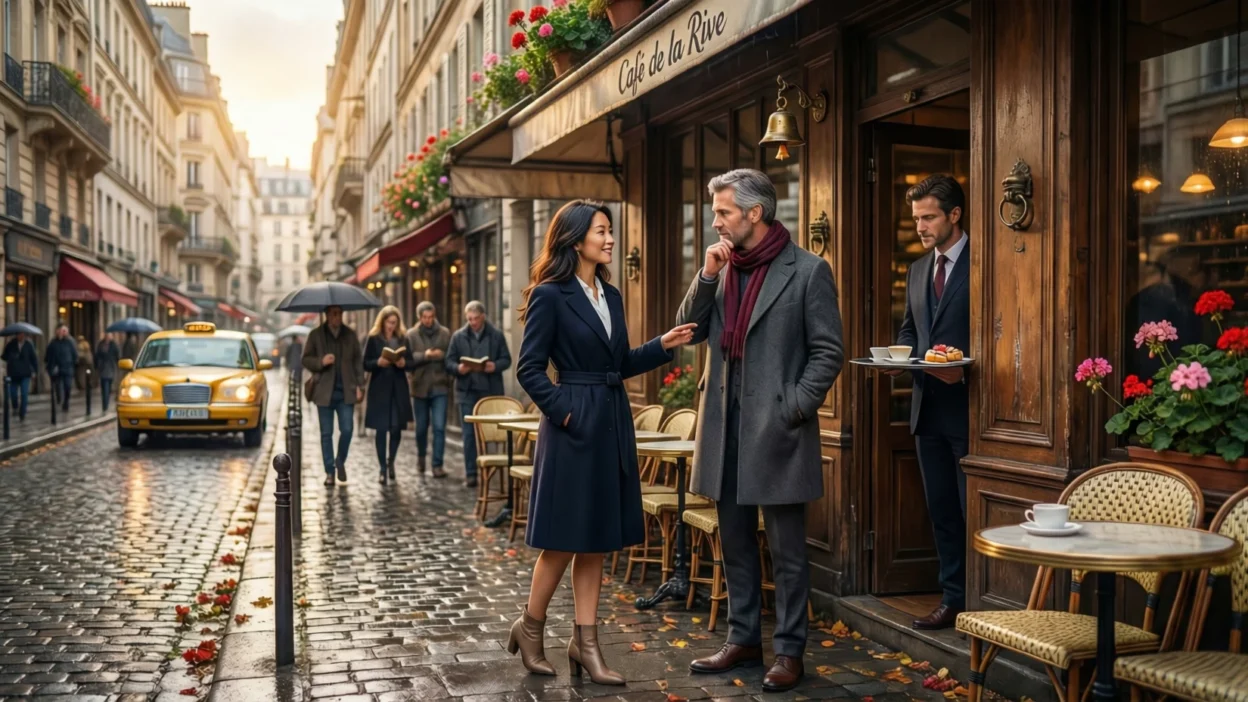
French culture values politeness, formality, and respect. Therefore, understanding French etiquette becomes essential when visiting France or interacting with French people.
Moreover, manners in France reflect tradition, education, and social awareness. As a result, even small gestures carry great meaning.
Additionally, French etiquette influences greetings, dining, conversation, and daily interactions. Consequently, behaving correctly helps visitors avoid awkward moments.
Furthermore, proper etiquette builds positive impressions and mutual respect. Ultimately, learning French etiquette allows smoother communication and cultural appreciation.
What Is French Etiquette?
Simple Definition
French etiquette refers to the traditional social rules that guide respectful behavior in France.
Cultural Importance
These manners emphasize courtesy and structure. Therefore, politeness is never optional in French society.
Why French Etiquette Matters
Social Respect
Firstly, etiquette shows respect. Therefore, interactions feel refined and sincere.
Cultural Identity
Moreover, etiquette reflects national identity. Consequently, following it shows cultural awareness.
Positive Impressions
Additionally, good manners create trust. As a result, relationships improve naturally.
Greeting Etiquette In France
Saying Bonjour Properly
Always say “Bonjour” when entering shops or meeting people. Therefore, greetings feel respectful.
Handshakes And Kisses
Handshakes are common formally. Meanwhile, friends may exchange cheek kisses.
Dining Etiquette In France
Table Manners
Keep hands visible on the table. Therefore, posture appears polite.
Bread And Utensils
Break bread with hands, not knives. Consequently, meals remain traditional.
French Etiquette In Public Places
Speaking Softly
Public conversations stay quiet. Therefore, loud behavior feels impolite.
Queuing Properly
Lines are respected. Consequently, patience is expected.
Conversation Etiquette
Topics To Discuss
Art, food, and culture are welcomed. Therefore, conversations feel engaging.
Topics To Avoid
Money and personal matters are avoided. Consequently, privacy remains respected.
Business Etiquette In France
Professional Greetings
Use titles and surnames. Therefore, professionalism is maintained.
Meeting Behavior
Arrive on time. Consequently, punctuality shows respect.
Dress Code Etiquette
Appearance Matters
French people dress neatly. Therefore, casual attire should still look polished.
Public Presentation
Well-groomed appearance reflects self-respect. Consequently, impressions improve.
Common French Etiquette Mistakes
Frequent Errors
Skipping greetings and speaking loudly cause discomfort. Additionally, informal behavior feels disrespectful.
How To Avoid Them
Slow down and observe locals. Moreover, polite phrases help greatly.
Benefits Of Following French Etiquette
Cultural Acceptance
Firstly, locals respond positively. Secondly, interactions feel smoother.
Better Experiences
Moreover, etiquette enhances travel enjoyment. As a result, experiences feel authentic.
Frequently Asked Questions
Is saying Bonjour really necessary?
Yes, it is essential in almost all interactions.
Are French people formal?
Yes, especially with strangers and professionals.
Is tipping required in France?
Service is included, but small tips are appreciated.
Can tourists dress casually in France?
Yes, but neat appearance is still expected.
Is it rude to speak English first?
It’s polite to ask in French first.
Are table manners important in France?
Yes, dining etiquette is taken seriously.
Final Thoughts
French etiquette represents elegance, respect, and cultural pride. Therefore, learning these manners enhances communication and connection.
Moreover, polite behavior opens doors socially and professionally. As a result, visitors and learners experience France more authentically, build positive relationships, and show appreciation for traditions that define French society worldwide.