
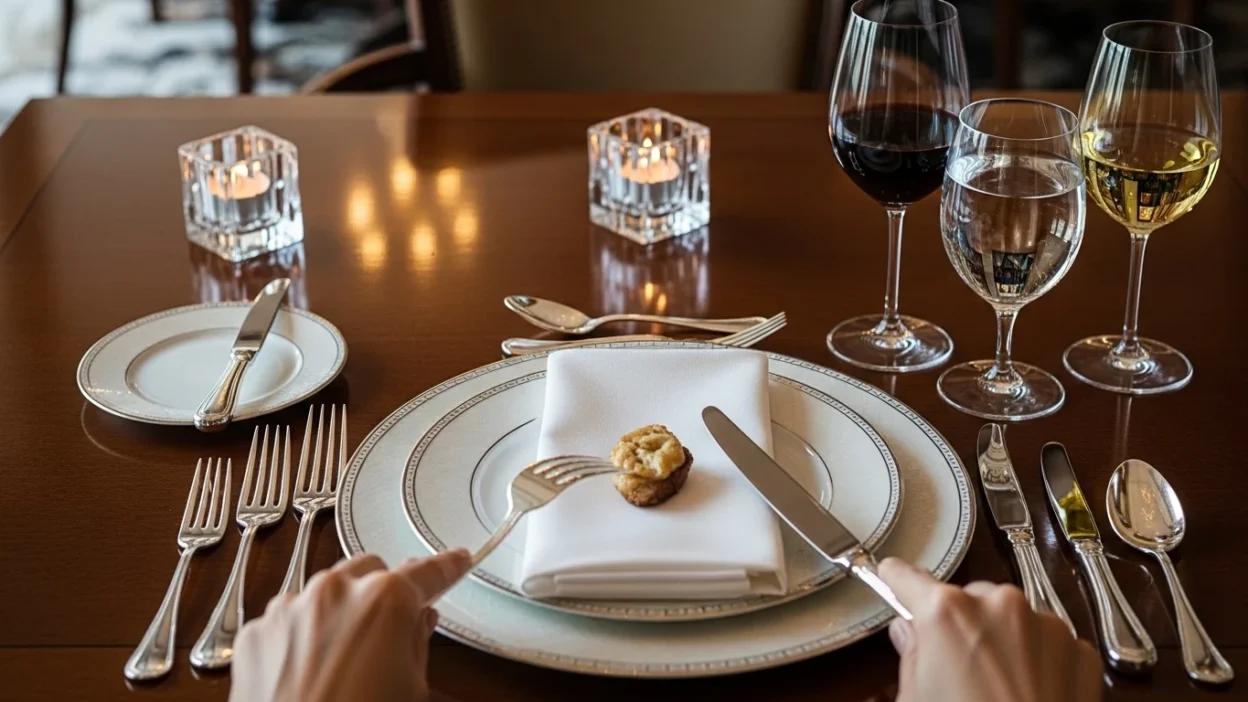
Dining is more than nourishment; it reflects awareness, respect, and social intelligence.
Understanding proper etiquette for eating allows you to feel confident in formal dinners, casual gatherings, and professional meals. Because table manners often shape first impressions, small details can leave lasting impacts.
Moreover, refined eating etiquette creates comfort for everyone at the table. When diners follow shared norms, meals flow smoothly without awkward interruptions.
Whether attending a business lunch or family celebration, mastering dining etiquette elevates your presence instantly.
This guide explains essential table manners, utensil use, posture, conversation rules, and common mistakes to avoid.
What Is Proper Etiquette for Eating?
Proper etiquette for eating refers to polite behavior, correct utensil use, and respectful conduct during meals.
Why Eating Etiquette Matters
- Creates positive first impressions
- Prevents awkward situations
- Shows cultural awareness
- Builds personal confidence
Good table manners communicate respect without words.
Before You Begin Eating
Preparation sets the tone.
Seating and Napkin Etiquette
Once seated:
- Place your napkin on your lap
- Wait until everyone is served before eating
- Follow the host’s lead
Patience reflects proper etiquette for eating.
Posture and Body Language
Body language speaks clearly.
Sitting and Positioning
Maintain:
- Straight posture
- Elbows off the table while eating
- Hands visible above the table
Confident posture enhances dining presence.
Using Utensils Correctly
Utensil handling defines refinement.
Basic Cutlery Rules
- Use utensils from the outside inward
- Cut one bite at a time
- Avoid gesturing with cutlery
Quiet, controlled movements reflect proper etiquette for eating.
Chewing and Speaking
Timing matters.
Conversation at the Table
Follow these guidelines:
- Chew with your mouth closed
- Avoid talking while chewing
- Keep conversation light and inclusive
Balanced interaction supports pleasant dining.
Bread and Butter Manners
Small details make impressions.
Handling Bread Properly
- Tear bread into small pieces
- Butter one piece at a time
- Avoid biting directly into rolls
Subtle habits demonstrate dining awareness.
Soup and Beverage Etiquette
Liquid etiquette requires care.
Soup Etiquette
- Scoop away from you
- Sip quietly from the side
- Avoid slurping
Beverage Etiquette
- Sip gently
- Wipe lips before drinking
- Avoid clinking loudly
Controlled movements define proper etiquette for eating.
Phone Etiquette at the Table
Digital manners matter.
Managing Devices
- Keep phones silent
- Avoid texting during meals
- Step away for urgent calls
Presence shows respect.
Finishing Your Meal
Signals communicate clearly.
Indicating You Are Finished
- Place fork and knife parallel on the plate
- Leave napkin loosely folded beside your plate
Clear signals assist servers smoothly.
Cultural Awareness in Dining
Etiquette varies worldwide.
Adapting to Different Settings
Some cultures encourage communal dishes, while others emphasize individual plates. Observing hosts and mirroring behavior helps you adjust respectfully.
Flexibility strengthens proper etiquette for eating.
Common Eating Etiquette Mistakes
Avoid these missteps.
Frequent Errors
- Slouching
- Reaching across others
- Over-seasoning food before tasting
- Speaking with a full mouth
Awareness prevents embarrassment.
Proper Etiquette for Eating Dos and Don’ts
| Do | Don’t |
|---|---|
| Wait for everyone to be served | Start eating immediately |
| Chew quietly | Talk with food in mouth |
| Sit upright | Slouch |
| Use utensils properly | Gesture with cutlery |
Real-Life Dining Examples
Example: Business Lunch
You wait for the host to begin and keep conversation professional.
Example: Formal Dinner
You follow outside-in utensil order and maintain steady posture.
Example: Family Gathering
You stay engaged without using your phone.
Each scenario reflects proper etiquette for eating.
Why Eating Etiquette Builds Confidence
Confidence grows with preparation.
Long-Term Benefits
- Improved social presence
- Stronger professional impressions
- Reduced dining anxiety
- Enhanced cultural awareness
Dining gracefully strengthens overall etiquette.
Final Thoughts on Proper Etiquette for Eating
Proper etiquette for eating transforms ordinary meals into polished experiences.
By practicing good posture, controlled utensil use, thoughtful conversation, and digital restraint, you create comfort for yourself and others.
Ultimately, dining etiquette reflects respect. When you approach meals with awareness and courtesy, you elevate every table you sit at.
FAQ,s
What is the most important eating etiquette rule?
Chew with your mouth closed and avoid talking while chewing.
When should you start eating?
After everyone is served or the host begins.
Where should the napkin be placed?
On your lap during the meal.
Is it rude to use your phone at the table?
Yes, unless necessary.
How do you signal you are finished eating?
Place utensils parallel on your plate.
Why is eating etiquette important?
It improves social and professional impressions.

Evan Whitmore is an American writer focused on modern etiquette and communication. He contributes practical, reader friendly content to Etiquify. His work emphasizes respect, clarity, and confidence in everyday personal and professional interactions.