
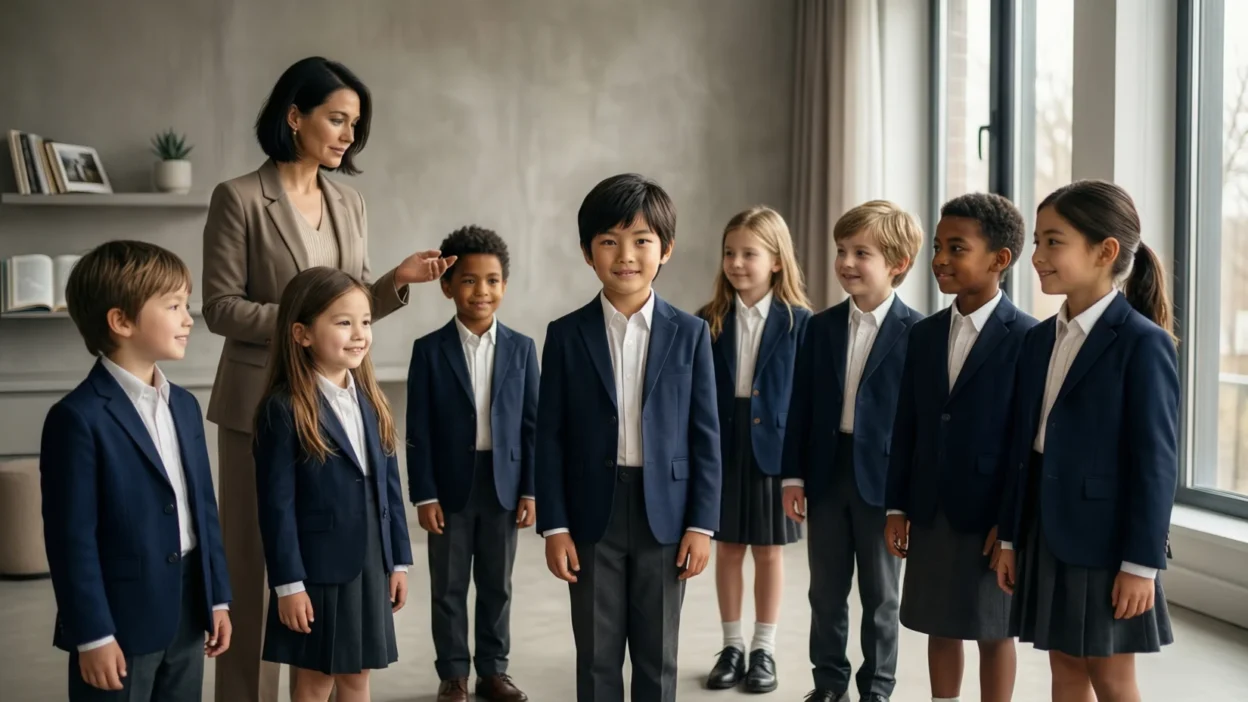
Etiquette classes for kids are structured programs designed to teach children respectful behavior, social skills, and good manners in everyday situations.
Today, these classes go far beyond traditional table manners. Instead, they help children communicate confidently, show empathy, and interact politely with others.
Because children encounter social situations at school, home, and public places, learning etiquette early creates a strong foundation.
As a result, kids who attend etiquette classes often feel more confident, respectful, and socially aware.
Ultimately, these lessons support both personal growth and academic success.
What Etiquette Classes for Kids Teach
Polite Communication Skills
Children learn how to speak kindly and listen attentively.
Respectful Behavior
Good manners toward adults and peers are emphasized.
Social Awareness
Kids understand boundaries and appropriate behavior.
Why Etiquette Classes for Kids Are Important
Build Confidence Early
Confidence grows when children know how to behave.
Improve Social Skills
Polite interaction strengthens friendships.
Encourage Emotional Intelligence
Children learn empathy and self-control.
Support Academic Success
Respectful behavior improves classroom environments.
Common Topics Covered in Etiquette Classes
Greeting and Introductions
Children practice polite greetings and eye contact.
Table Manners
Basic dining etiquette builds confidence during meals.
Classroom Behavior
Respect for teachers and classmates is reinforced.
Digital Etiquette
Online behavior and respectful communication are addressed.
Etiquette Classes for Kids by Age Group
Preschool Children
Focus remains on sharing, listening, and kindness.
Elementary School Kids
Lessons include responsibility and respectful communication.
Preteens and Teens
Advanced topics such as confidence and leadership are introduced.
In-Person vs Online Etiquette Classes
In-Person Classes
Hands-on practice encourages real-time learning.
Online Classes
Flexible schedules support busy families.
Choosing the Best Option
Children’s learning styles should guide the decision.
How to Choose the Right Etiquette Classes for Kids
Qualified Instructors
Experience with children ensures effective teaching.
Age-Appropriate Curriculum
Lessons should match developmental levels.
Class Size
Smaller groups allow personalized attention.
Benefits Parents Often Notice
Improved Behavior at Home
Polite habits transfer into daily life.
Better School Conduct
Teachers notice positive changes.
Increased Confidence
Children feel comfortable in social settings.
Common Myths About Etiquette Classes for Kids
Etiquette Is Too Strict
Modern classes focus on kindness, not rigidity.
Manners Come Naturally
Children benefit from guidance and practice.
Only Shy Kids Need Etiquette
All children gain valuable skills.
Etiquette Classes for Kids Dos and Don’ts
| Do | Don’t |
|---|---|
| Encourage practice at home | Expect instant results |
| Choose age-appropriate classes | Overwhelm children |
| Reinforce lessons positively | Use punishment |
| Model good manners | Ignore progress |
| Stay involved | Pressure perfection |
Frequently Asked Questions
What are etiquette classes for kids?
They are structured programs teaching manners, respect, and social skills.
At what age should kids start etiquette classes?
Most children benefit from starting between ages four and six.
Are etiquette classes helpful for shy children?
Yes. These classes often build confidence and communication skills.
Do etiquette classes help with school behavior?
Yes. Improved manners often lead to better classroom conduct.
Are online etiquette classes effective for kids?
They can be effective when interactive and age-appropriate.
Conclusion
Etiquette classes for kids play an important role in shaping respectful, confident, and socially aware individuals.
Since children face many social situations every day, learning proper manners early helps them navigate interactions with ease.
Through structured lessons and guided practice, kids develop habits that support positive relationships and personal growth.
Moreover, etiquette education is not about strict rules or outdated traditions.
Instead, it focuses on kindness, respect, and emotional intelligence. When parents choose the right etiquette classes for kids, they invest in skills that last a lifetime.
Ultimately, these classes help children grow into considerate, confident, and well-mannered adults.
Evan Whitmore is an American writer focused on modern etiquette and communication. He contributes practical, reader friendly content to Etiquify. His work emphasizes respect, clarity, and confidence in everyday personal and professional interactions.