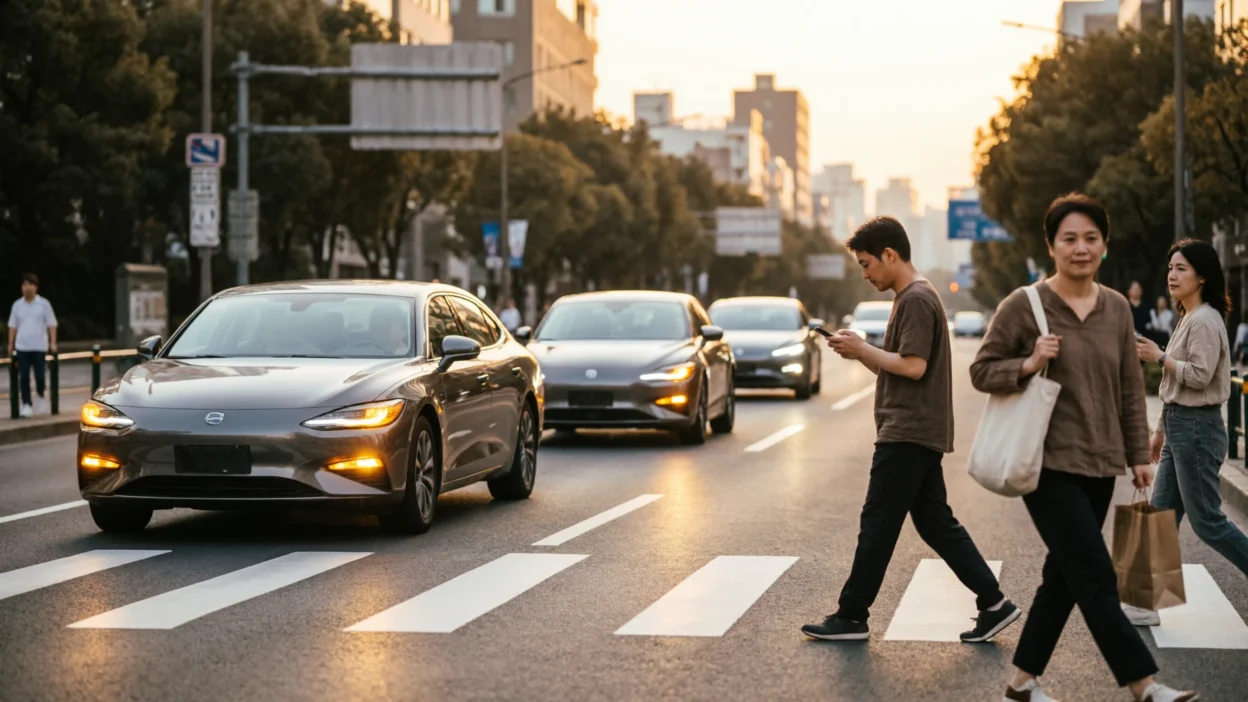
Driving places people in shared, fast-moving spaces where small actions create big consequences.
Driving etiquette goes beyond traffic laws. It reflects patience, awareness, and respect for others using the road. While rules tell drivers what they must do, etiquette guides how they should behave.
Moreover, good driving etiquette reduces stress, prevents road rage, and lowers accident risks. Calm, courteous drivers contribute to smoother traffic flow and safer journeys.
Because roads are public spaces, every decision affects others. Understanding proper driving etiquette helps drivers communicate clearly, avoid conflict, and arrive safely.
This guide offers practical advice, real examples, clear dos and don’ts, and everyday tips to help you become a more considerate and confident driver.
What Is Driving Etiquette?
Driving etiquette refers to courteous, responsible behavior while operating a vehicle.
Why Driving Etiquette Matters
- Prevents accidents
- Reduces road rage
- Improves traffic flow
- Creates safer communities
Good manners behind the wheel protect everyone.
Basic Courtesy on the Road
Courtesy builds trust instantly.
Showing Respect to Other Drivers
Simple actions make a difference.
Polite habits
- Use turn signals early
- Allow merges when possible
- Acknowledge courtesy with a wave
Respectful actions define strong driving etiquette.
Lane Discipline and Right-of-Way
Lane behavior communicates intent.
Using Lanes Correctly
Proper lane use avoids confusion.
Best practices
- Stay right unless passing
- Do not block passing lanes
- Follow posted right-of-way rules
Clear lane discipline supports safe driving etiquette.
Speed Control and Patience
Speed affects everyone.
Driving at Appropriate Speeds
Balance matters.
Speed etiquette
- Follow speed limits
- Adjust for weather and traffic
- Avoid tailgating slower vehicles
Patience prevents aggressive situations.
Turn Signals and Communication
Signals speak louder than horns.
Clear Driving Communication
Predictability improves safety.
Signal etiquette
- Signal before changing lanes
- Signal early at intersections
- Avoid last-second movements
Clear communication reflects excellent driving etiquette.
Horn Usage Etiquette
Horns are alerts, not weapons.
Using the Horn Properly
Sound should warn, not intimidate.
Appropriate uses
- Alerting of danger
- Preventing accidents
Avoid
- Honking in anger
- Prolonged horn use
Calm behavior supports respectful driving etiquette.
Merging and Yielding Gracefully
Merging tests patience.
Sharing the Road Fairly
Cooperation keeps traffic flowing.
Good merging habits
- Match traffic speed
- Take turns naturally
- Yield when required
Graceful merging shows road awareness.
Pedestrian and Cyclist Etiquette
Vulnerable road users deserve care.
Respecting Pedestrians and Cyclists
Safety requires attention.
Etiquette tips
- Yield at crosswalks
- Give cyclists space
- Avoid blocking sidewalks
Awareness reflects responsible driving etiquette.
Parking Etiquette
Parking impacts shared space.
Parking Considerately
Thoughtful parking prevents frustration.
Parking manners
- Stay within lines
- Avoid blocking driveways
- Respect reserved spaces
Courtesy continues even after driving ends.
Driving Etiquette in Traffic Jams
Congestion increases tension.
Staying Calm in Heavy Traffic
Control your response.
Helpful behaviors
- Avoid aggressive lane changes
- Maintain safe distance
- Stay patient
Calm drivers improve collective safety.
Handling Mistakes Gracefully
Errors happen.
Responding to Driving Errors
Maturity matters.
Proper responses
- Apologize with a gesture
- Avoid confrontation
- Correct safely
Humility strengthens driving etiquette.
Common Driving Etiquette Mistakes
Avoid these habits.
Frequent Issues
- Tailgating
- Failing to signal
- Blocking intersections
- Aggressive honking
Awareness prevents escalation.
Driving Etiquette Dos and Don’ts
| Do | Don’t |
|---|---|
| Signal early | Cut off others |
| Yield politely | Tailgate |
| Stay calm | Engage in road rage |
| Respect space | Speed aggressively |
Real-Life Driving Etiquette Examples
Example: Busy Intersection
A driver yields calmly, allowing smoother traffic flow.
Example: Highway Merge
Two drivers alternate lanes cooperatively.
Example: Parking Lot
A driver waits patiently instead of rushing a pedestrian.
Each scenario shows proper driving etiquette in action.
Why Driving Etiquette Improves Road Safety
Etiquette reduces unpredictability.
Long-Term Benefits
- Fewer accidents
- Less driver stress
- Better traffic efficiency
- Safer communities
Respect creates safer roads.
Final Thoughts on Driving Etiquette
Driving etiquette shapes everyday road experiences. While laws provide structure, etiquette adds humanity to driving.
Through patience, clear communication, and respect for others, drivers reduce conflict and increase safety.
Ultimately, driving etiquette benefits everyone. When drivers choose courtesy over aggression, roads become calmer, journeys become safer, and shared spaces feel more cooperative. Responsible driving starts with mindful behavior.
FAQ,s
What is basic driving etiquette?
It includes courtesy, signaling, patience, and respecting others.
Why is driving etiquette important?
It prevents accidents and reduces road rage.
Is honking considered rude?
Yes, unless used to warn of danger.
Should drivers always let others merge?
Yes, when safe and appropriate.
How does driving etiquette affect safety?
It improves predictability and reduces aggressive behavior.
Can good driving etiquette reduce stress?
Yes, calm behavior lowers frustration.
Evan Whitmore is an American writer focused on modern etiquette and communication. He contributes practical, reader friendly content to Etiquify. His work emphasizes respect, clarity, and confidence in everyday personal and professional interactions.