
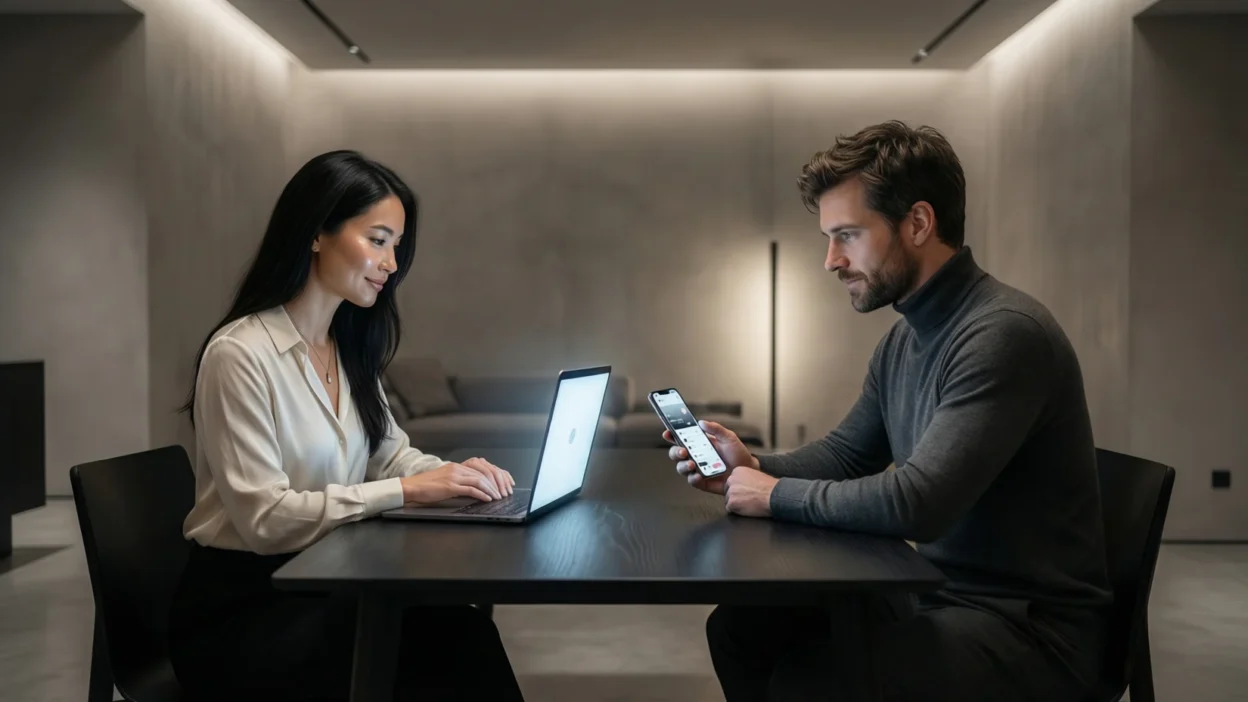
Digital communication shapes how people learn, work, socialize, and build reputations. Therefore, understanding the digital etiquette definition has become essential in modern life.
Moreover, online actions now carry long-term consequences. As a result, people must communicate responsibly, respectfully, and thoughtfully in digital spaces.
Additionally, digital platforms remove face to face cues. Consequently, misunderstandings happen easily without proper etiquette.
Furthermore, good digital etiquette improves clarity, trust, and professionalism.
Ultimately, knowing the digital etiquette definition helps individuals navigate emails, social media, online meetings, and messaging platforms with confidence and respect.
What Is Digital Etiquette?
Clear Digital Etiquette Definition
Digital etiquette refers to the accepted rules and standards of polite, responsible, and respectful behavior when using digital devices, platforms, and online communication tools. Essentially, it explains how people should act online to maintain respect, clarity, and professionalism.
Simple Explanation
In simpler terms, digital etiquette means using good manners on the internet. Therefore, kindness, patience, and responsibility matter just as much online as they do offline.
Why Digital Etiquette Is Important
Prevents Miscommunication
Firstly, online messages lack tone and body language. Therefore, digital etiquette helps prevent confusion and misunderstandings.
Protects Reputation
Moreover, digital content often remains permanent. Consequently, polite and thoughtful behavior protects personal and professional reputations.
Encourages Respectful Online Spaces
Additionally, digital etiquette discourages harassment and negativity. As a result, online environments become safer and more welcoming.
Core Principles Of Digital Etiquette
Respectful Communication
Respect forms the foundation of digital etiquette. Therefore, users should choose words carefully and remain polite, even during disagreements.
Responsibility And Accountability
Similarly, individuals must take responsibility for what they post, share, or comment. Consequently, accountability builds trust online.
Awareness Of Digital Impact
Moreover, understanding how messages affect others promotes empathy. As a result, digital interactions become more thoughtful.
Digital Etiquette In Everyday Online Life
Social Media Etiquette
On social media, digital etiquette encourages mindful posting. Therefore, users should avoid offensive language, oversharing, and misinformation.
Messaging And Chat Platforms
In chats, clarity matters. Additionally, respecting response time shows courtesy. Consequently, conversations remain smooth and respectful.
Online Comments And Discussions
Public discussions require patience. Therefore, respectful disagreement reflects strong digital etiquette.
Digital Etiquette In Professional Settings
Workplace Communication
In professional environments, digital etiquette supports productivity. Therefore, clear emails, respectful tone, and timely responses matter greatly.
Remote Work And Virtual Teams
With remote work increasing, digital etiquette ensures professionalism. As a result, trust and collaboration improve.
Online Meetings And Video Calls
During virtual meetings, punctuality and attention reflect professionalism. Therefore, muting microphones and staying focused remains essential.
Digital Etiquette For Students
Online Learning Behavior
Students should practice digital etiquette by using respectful language, following class rules, and engaging constructively.
Group Projects And Forums
Similarly, collaboration improves when students communicate politely. Consequently, learning environments remain positive.
Digital Etiquette Dos And Don’ts
What You Should Always Do
- Use polite and professional language
- Think before posting or replying
- Respect privacy and boundaries
- Verify information before sharing
What You Should Avoid
- Typing in ALL CAPS
- Posting offensive or harmful content
- Sharing private information
- Ignoring professional tone
Following these rules strengthens digital etiquette across all platforms.
Common Digital Etiquette Mistakes
Frequent Errors People Make
Many users overshare personal information. Additionally, emotional posting causes regret. However, awareness prevents these mistakes easily.
How To Correct Them
Meanwhile, pausing before responding helps. Moreover, proofreading improves tone and clarity significantly.
Benefits Of Practicing Digital Etiquette
Stronger Personal Relationships
Firstly, respectful communication builds trust. Secondly, misunderstandings decrease. Consequently, relationships strengthen.
Improved Professional Image
Moreover, employers value professionalism online. Therefore, digital etiquette supports career growth.
Positive Digital Footprint
Additionally, polite behavior creates a positive online identity. As a result, credibility increases over time.
Digital Etiquette In Different Online Platforms
Email Communication
Emails require clear subject lines, polite greetings, and concise messages. Therefore, professionalism remains visible.
Social Networking Sites
On social networks, digital etiquette encourages thoughtful engagement. Consequently, online communities stay respectful.
Online Gaming And Forums
Even in informal spaces, respect matters. Therefore, fair play and polite interaction define good digital etiquette.
Teaching Digital Etiquette To Children
Early Digital Awareness
Teaching children digital etiquette early promotes responsibility. As a result, they develop healthy online habits.
Parental Guidance
Parents should model respectful behavior. Therefore, children learn by example.
Frequently Asked Questions About Digital Etiquette
What is the digital etiquette definition in simple words?
It means behaving politely and responsibly online.
Why is digital etiquette important?
It protects reputation and improves online communication.
Does digital etiquette apply to social media?
Yes, all online platforms require respectful behavior.
Is digital etiquette different at work?
Yes, professional environments require stricter standards.
Can digital etiquette prevent cyberbullying?
Yes, respectful behavior reduces online harassment.
Do students need digital etiquette?
Absolutely, especially for online learning environments.
Final Thoughts
Understanding the digital etiquette definition is essential in today’s connected world.
Therefore, practicing respectful online behavior supports healthy communication. Moreover, digital etiquette protects reputation, builds trust, and encourages empathy.
As a result, individuals create positive digital spaces where professionalism, kindness, and responsibility thrive across all platforms and interactions.

Evan Whitmore is an American writer focused on modern etiquette and communication. He contributes practical, reader friendly content to Etiquify. His work emphasizes respect, clarity, and confidence in everyday personal and professional interactions.