
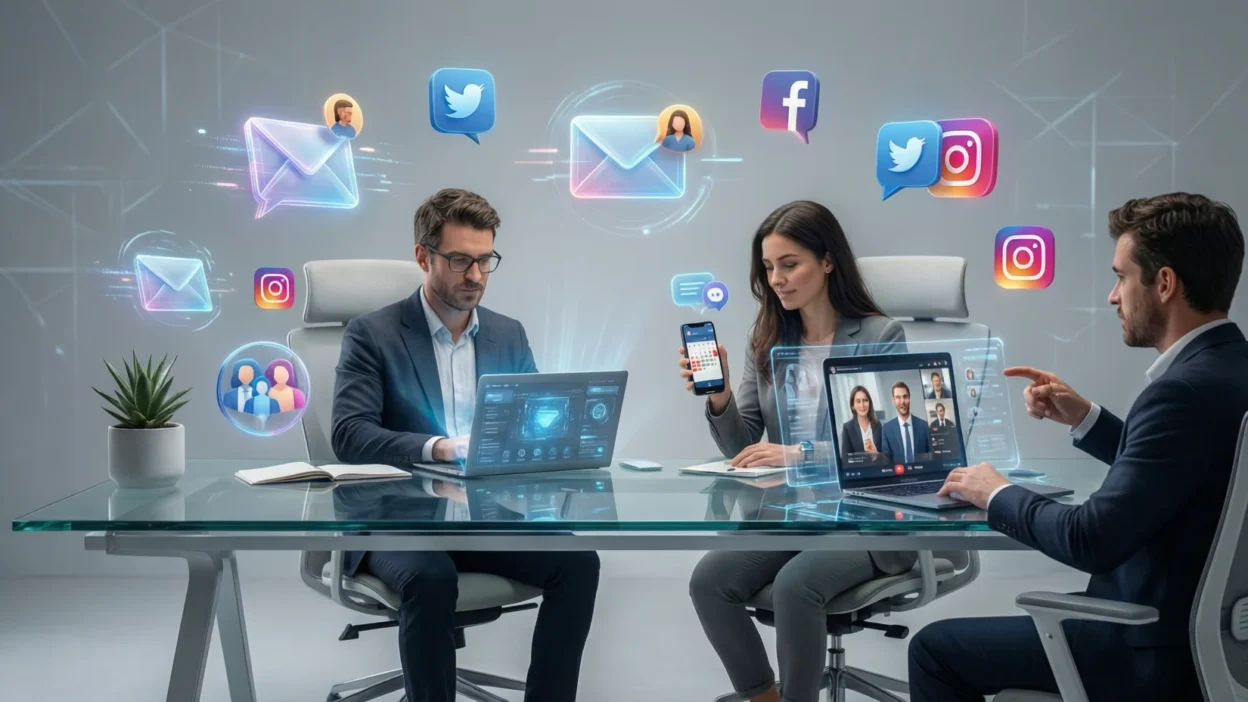
Digital etiquette plays a vital role in how we communicate, work, and build relationships online.
Whether you are sending an email, participating in a virtual meeting, commenting on social media, or collaborating with colleagues through digital tools, your online behavior leaves a lasting impression.
Because digital communication often lacks tone, facial expressions, and immediate feedback, misunderstandings can happen easily.
Practicing good digital etiquette helps prevent conflict, promotes clarity, and ensures that your messages are received as intended.
In professional and personal settings alike, strong digital manners reflect respect, emotional intelligence, and credibility.
This guide explains what digital etiquette means, why it matters, and how to apply it effectively in everyday online interactions.
What Digital Etiquette Means
Digital etiquette, also known as netiquette, refers to the standards of polite, respectful, and responsible behavior when using digital devices and online platforms.
It applies to:
- Emails and instant messaging
- Social media interactions
- Virtual meetings
- Online collaboration tools
- Digital classrooms and remote workplaces
At its core, digital etiquette is about treating others online with the same respect you would expect in face to face interactions.
Why Digital Etiquette Is Important
Protects Your Online Reputation
Everything you post or send digitally can be saved, forwarded, or misunderstood. Practicing good digital etiquette helps you build trust and maintain a positive reputation.
Reduces Miscommunication
Clear wording and respectful tone help avoid confusion caused by the lack of nonverbal cues.
Shows Respect for Time and Boundaries
Thoughtful communication demonstrates consideration for others’ schedules, privacy, and workload.
Supports Career and Academic Success
Employers, educators, and clients value individuals who communicate professionally online.
Digital Etiquette in Email Communication
Writing Clear and Professional Emails
Email remains one of the most common digital communication tools, especially in professional settings.
Good practices include:
- Using a clear, specific subject line
- Starting with a polite greeting
- Keeping messages concise and well structured
- Ending with a professional sign off
Avoid using all capital letters, excessive punctuation, or sending emails without proofreading.
Response Time and Follow Ups
Proper digital etiquette includes responding within a reasonable time frame.
Helpful guidelines:
- Acknowledge important emails even if a full reply will come later
- Avoid unnecessary follow ups too quickly
- Respect working hours when sending non urgent messages
Digital Etiquette in Messaging Apps and Texts
Respecting Personal and Professional Boundaries
Instant messaging encourages quick communication, but it can also blur boundaries.
Do:
- Keep messages relevant and clear
- Use professional language in work chats
- Respect time zones and working hours
Don’t:
- Expect immediate responses
- Send multiple messages in a row unnecessarily
- Overshare personal information in professional spaces
Tone and Clarity in Short Messages
Short messages can easily sound abrupt.
To improve digital etiquette:
- Use complete sentences
- Add polite words like “please” and “thank you”
- Avoid excessive slang or abbreviations in professional contexts
Digital Etiquette on Social Media
Posting Thoughtfully
Before posting or commenting, consider:
- Is this respectful?
- Could this be misunderstood?
- Would I be comfortable if this were shared publicly?
Good digital etiquette means thinking before you post and understanding that online content often lasts indefinitely.
Respectful Engagement Online
When interacting with others:
- Disagree politely
- Avoid personal attacks
- Credit original creators
- Do not spread unverified information
Your digital behavior reflects your values and judgment.
Digital Etiquette in Virtual Meetings
Professional Behavior Online
Virtual meetings require the same level of professionalism as in-person meetings.
Follow these digital etiquette practices:
- Join meetings on time
- Mute your microphone when not speaking
- Dress appropriately
- Stay focused and attentive
Avoid multitasking, eating, or holding unrelated conversations during meetings.
Camera and Audio Awareness
Position your camera at eye level, ensure good lighting, and test your microphone in advance. Clear visuals and audio help maintain smooth and respectful communication.
Digital Etiquette in Online Collaboration
Respecting Shared Digital Spaces
When working in shared documents or platforms:
- Avoid deleting others’ work without discussion
- Use comments instead of overwriting content
- Follow team guidelines for formatting and file naming
These habits demonstrate professionalism and teamwork.
Giving Feedback Online
Constructive feedback is a key part of good digital etiquette.
Effective feedback should be:
- Specific and polite
- Focused on the task, not the person
- Free of sarcasm or emotional language
Digital Etiquette Dos and Don’ts
Quick Reference Table
| Do | Don’t |
|---|---|
| Be polite and clear | Use aggressive or sarcastic language |
| Respect privacy | Share private messages publicly |
| Proofread messages | Send rushed or careless texts |
| Stay professional | Overshare personal opinions |
| Think before posting | Post while emotional |
Common Digital Etiquette Mistakes
Oversharing Online
Sharing too much personal or emotional content can harm credibility and relationships.
Ignoring Messages
Failing to acknowledge messages can appear rude or unprofessional.
Choosing the Wrong Platform
Sensitive or complex topics should not be handled through casual messaging apps.
Digital Etiquette Across Cultures
Digital communication often connects people from different backgrounds.
Be mindful that:
- Humor may not translate well
- Communication styles vary
- Response time expectations differ
When uncertain, choose clarity, politeness, and professionalism.
Teaching Digital Etiquette to Students and Children
Digital etiquette is an essential life skill.
Key lessons include:
- Treating others with respect online
- Protecting personal information
- Understanding that online actions have real consequences
Developing these habits early encourages responsible and respectful digital citizenship.
Frequently Asked Questions About Digital Etiquette
What is digital etiquette?
Digital etiquette refers to respectful and responsible behavior when communicating online through email, social media, messaging apps, and digital platforms.
Why is digital etiquette important?
It helps prevent misunderstandings, protects your reputation, and promotes positive communication.
What are examples of poor digital etiquette?
Examples include rude language, ignoring messages, oversharing, posting offensive content, or messaging at inappropriate times.
How can I improve my digital etiquette?
Be clear, polite, mindful of tone, respectful of boundaries, and thoughtful before sending or posting anything online.
Is digital etiquette important in the workplace?
Yes. Professional digital communication directly affects teamwork, productivity, and career growth.
Conclusion
Strong digital etiquette is essential in a world where online communication is part of daily life. By communicating clearly, respecting boundaries, and acting thoughtfully across digital platforms, you build trust, avoid misunderstandings, and present yourself professionally. Practicing good digital etiquette benefits not only your personal relationships but also your academic and professional success.

Caleb Rowan is an American content writer with a strong interest in social and digital etiquette. He creates thoughtful, approachable articles for Etiquify. His writing helps readers navigate modern conversations with professionalism, balance, and empathy.