Dining reflects culture, confidence, and respect. Proper cutlery etiquette helps you navigate formal meals, business dinners, and special occasions with ease.
Although multiple forks and knives may seem intimidating, understanding their purpose removes uncertainty instantly.
Moreover, refined cutlery etiquette enhances first impressions. Whether attending a wedding, corporate event, or formal dinner, correct utensil use communicates awareness and poise.
Because table manners often influence social and professional perceptions, mastering them offers lasting benefits.
This guide explains how to use cutlery properly, avoid common mistakes, and feel confident at any table setting.
What Is Cutlery Etiquette?
Cutlery etiquette refers to the correct and respectful use of knives, forks, spoons, and other dining utensils.
Why Cutlery Etiquette Matters
- Creates polished first impressions
- Prevents awkward dining moments
- Shows cultural awareness
- Enhances formal dining confidence
Good utensil manners reflect refinement.
Understanding Table Settings
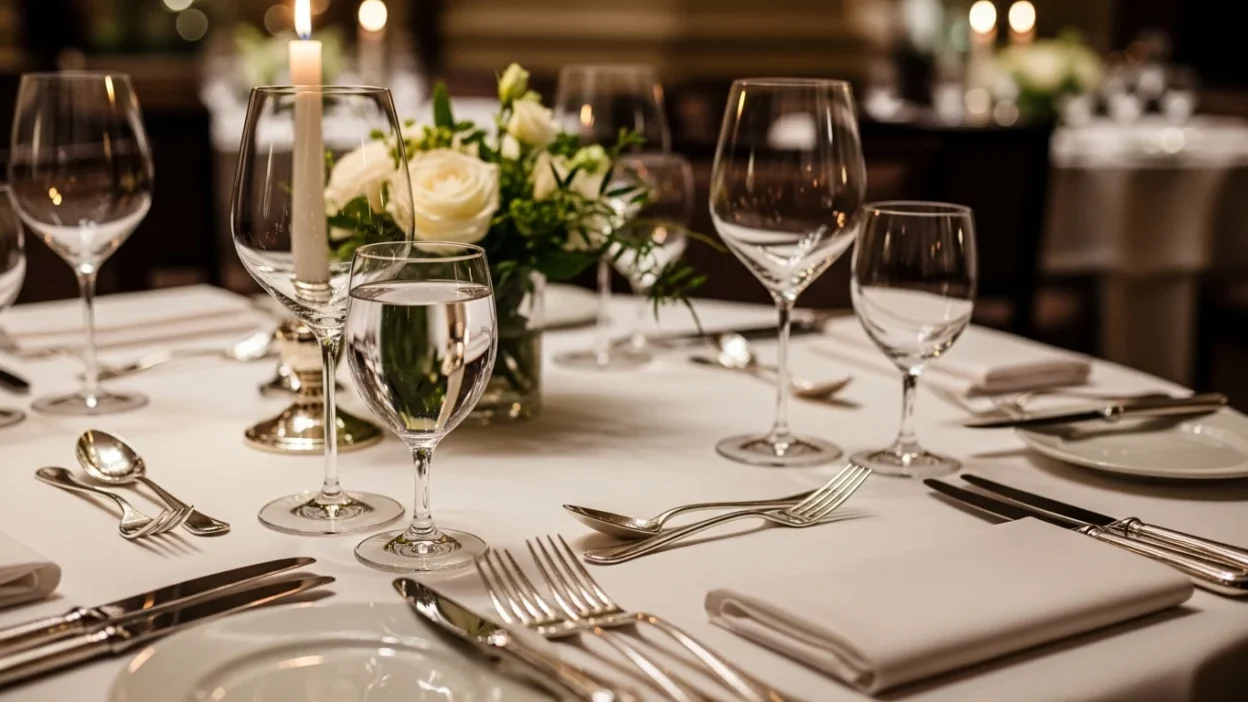
Formal tables follow structure.
Basic Cutlery Placement Rules
Utensils are arranged in order of use.
Placement guidelines
- Forks on the left
- Knives and spoons on the right
- Dessert utensils above the plate
You typically use cutlery from the outside inward.
How to Hold a Fork and Knife
Grip affects appearance.
Proper Holding Technique
Two common styles exist.
Continental style
- Fork in left hand
- Knife in right hand
- Eat without switching hands
American style
- Cut with knife in right hand
- Switch fork to right hand to eat
Choose one style and stay consistent.
Cutting Food Correctly
Precision shows control.
Polite Cutting Etiquette
Avoid large or aggressive movements.
Best practices
- Cut one bite at a time
- Keep elbows off the table
- Avoid sawing motions
Small, steady movements demonstrate proper cutlery etiquette.
Resting and Finished Positions
Utensil placement communicates silently.
Resting Position
When pausing:
- Place fork and knife in an inverted V shape on the plate
Finished Position
When done:
- Place fork and knife parallel together
- Position handles at the 4 o’clock direction
Clear signals assist servers smoothly.
Using Spoons Properly
Spoon technique matters.
Soup Spoon Etiquette
- Scoop away from you
- Sip from the side
- Avoid slurping
Clean, quiet movements reflect elegant cutlery etiquette.
Bread and Butter Etiquette
Small details count.
Proper Bread Handling
Avoid cutting bread entirely with a knife.
Correct method
- Tear small pieces
- Butter one piece at a time
- Avoid biting directly into the roll
Subtle actions elevate dining manners.
Dessert Cutlery Etiquette
Dessert tools differ slightly.
Using Dessert Utensils
Follow placement order.
Guidelines
- Use spoon for soft desserts
- Use fork for cakes and pastries
- Combine fork and spoon if provided
Observe others if unsure.
Cultural Differences in Cutlery Etiquette
Dining styles vary globally.
Example: British vs American Styles
In the UK, diners often use the Continental method consistently. In the United States, many follow the cut-and-switch method.
Understanding regional variations prevents confusion during international dining.
Common Cutlery Etiquette Mistakes
Avoid these behaviors.
Frequent Errors
- Pointing with utensils
- Licking knives
- Gesturing while holding cutlery
- Placing used utensils on the tablecloth
Awareness prevents embarrassment.
Cutlery Etiquette Dos and Don’ts
| Do | Don’t |
|---|---|
| Use utensils from outside inward | Wave cutlery while talking |
| Cut one bite at a time | Cut entire meal at once |
| Place utensils correctly when finished | Leave utensils scattered |
| Eat quietly | Slurp or clang utensils |
Real-Life Cutlery Etiquette Examples
Example: Business Dinner
You follow Continental style confidently and place utensils properly when finished.
Example: Formal Wedding
You use outside utensils first and mirror others’ pace.
Example: Restaurant Dining
You rest utensils correctly during conversation pauses.
Each scenario reflects polished cutlery etiquette.
Why Cutlery Etiquette Enhances Confidence
Confidence grows with preparation.
Long-Term Benefits
- Stronger social impressions
- Professional credibility
- Reduced dining anxiety
- Improved cultural awareness
Mastery of cutlery etiquette supports personal refinement.
Final Thoughts on Cutlery Etiquette
Cutlery etiquette transforms dining from stressful to seamless. By understanding utensil placement, proper handling, and silent signaling, you communicate elegance without speaking. Small adjustments in grip, motion, and awareness create noticeable improvements.
Ultimately, refined cutlery etiquette builds confidence in any formal or casual setting. When you handle utensils correctly, you demonstrate respect for hosts, guests, and dining traditions alike.
FAQ,s
What is basic cutlery etiquette?
Use utensils from the outside inward and handle them quietly.
Which hand holds the knife?
Typically the right hand, depending on dining style.
How do you signal you are finished eating?
Place fork and knife parallel on the plate.
Is it rude to lick your knife?
Yes, it is considered improper dining behavior.
Can elbows rest on the table?
Generally no, especially during formal meals.
Why is cutlery etiquette important?
It improves social confidence and dining impressions.

Theo Blackmere is an American writer focused on etiquette and professional communication. He contributes insightful, well structured content to Etiquify. His writing emphasizes respect, clarity, and modern social awareness across personal and professional interactions.