
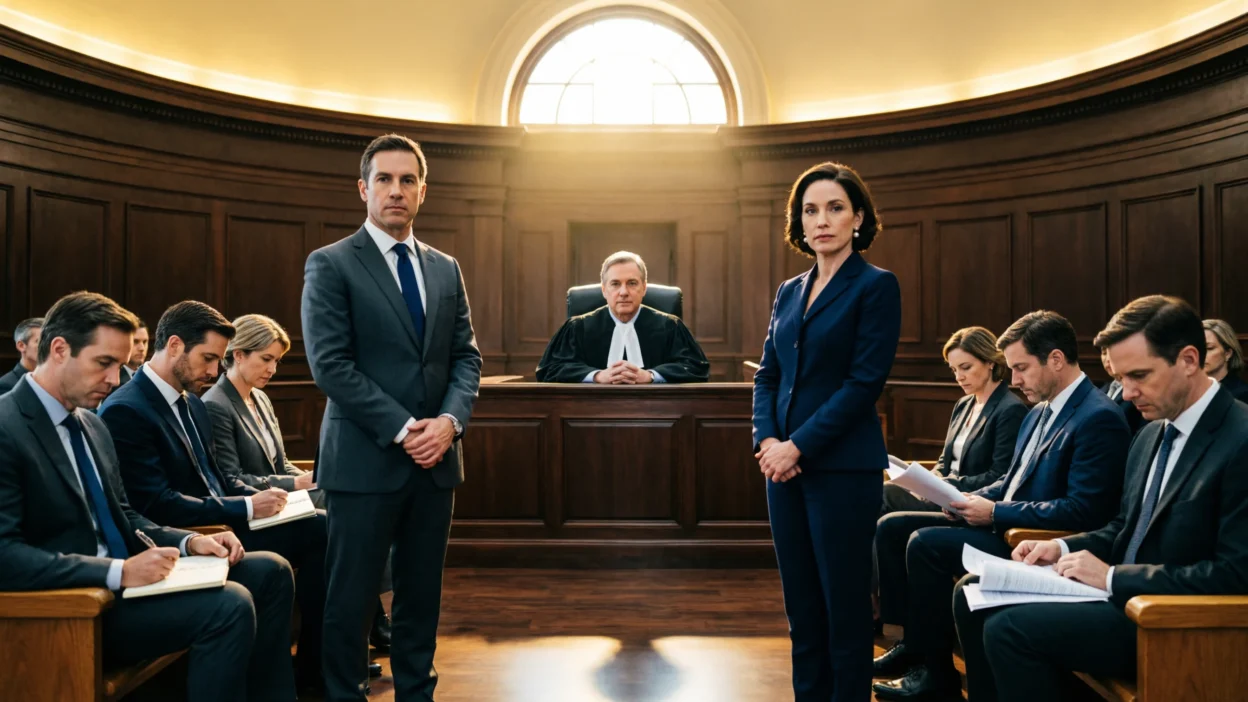
Courtrooms are formal spaces where respect, discipline, and professionalism matter deeply. Courtroom etiquette exists to protect the integrity of the legal process and ensure fairness for everyone involved. Whether you are attending as a visitor, witness, juror, or party to a case, your behavior directly affects how proceedings unfold.
Because courts deal with serious matters, even small actions carry weight. Therefore, understanding courtroom etiquette helps you avoid embarrassment, show respect to the judge, and maintain order. Moreover, proper conduct reflects maturity, credibility, and awareness of legal norms. This guide offers clear rules, real-life examples, and practical advice so you can behave confidently and appropriately inside any courtroom.
What Is Courtroom Etiquette?
Courtroom etiquette refers to the expected standards of behavior, appearance, and communication within a court of law.
Why Courtroom Etiquette Matters
- Courts require dignity and order
- Judges expect respect at all times
- Disruptions can delay justice
- Poor behavior may have legal consequences
Because courtrooms are not casual spaces, etiquette is essential.
Dressing Appropriately for Court
Appearance influences perception.
Proper Courtroom Attire
Dress conservatively and professionally.
Recommended clothing
- Clean, modest outfits
- Neutral colors
- Closed-toe shoes
Avoid
- Shorts or ripped jeans
- Graphic T-shirts
- Flip-flops or flashy accessories
Appropriate dress supports proper courtroom etiquette and shows seriousness.
Arriving at the Courthouse
Timing matters greatly.
Be Early and Prepared
Courts follow strict schedules.
Helpful tips
- Arrive at least 30 minutes early
- Bring required documents
- Pass security calmly
Being punctual reflects respect for the court’s time.
Behavior Inside the Courtroom
Conduct is closely observed.
How to Act Respectfully
- Stand when the judge enters
- Remain silent unless addressed
- Sit upright and attentive
Talking, whispering, or reacting emotionally violates courtroom etiquette.
Speaking in Court
Words must be controlled and respectful.
Proper Communication Rules
- Address the judge as “Your Honor”
- Speak clearly and calmly
- Answer only what is asked
Never interrupt proceedings. Polite speech supports strong courtroom etiquette.
Using Phones and Technology
Technology distractions are unacceptable.
Technology Rules
- Silence all devices
- Do not record proceedings
- Avoid checking phones
Courts may confiscate devices if rules are ignored.
Courtroom Etiquette for Different Roles
Each role has specific expectations.
For Visitors
- Observe quietly
- Follow seating instructions
- Avoid facial reactions
For Witnesses
- Answer honestly
- Remain composed
- Avoid guessing
For Jurors
- Stay impartial
- Avoid outside discussions
- Follow instructions carefully
Role awareness strengthens courtroom etiquette.
Showing Respect to the Judge and Court Staff
Respect extends beyond the judge.
Proper Respect Guidelines
- Follow bailiff instructions
- Treat clerks courteously
- Avoid arguing with staff
Courtesy maintains courtroom harmony.
Emotional Control in Court
Emotions must be managed.
Staying Composed
Legal matters can feel intense.
Helpful strategies
- Take deep breaths
- Maintain neutral expressions
- Avoid outbursts
Emotional restraint is a core part of courtroom etiquette.
When Entering or Leaving the Courtroom
Movement should be minimal.
Proper Entry and Exit
- Enter quietly
- Avoid moving during testimony
- Leave only when permitted
Unnecessary movement disrupts proceedings.
Common Courtroom Etiquette Mistakes
Avoid these frequent errors.
Mistakes to Watch For
- Dressing casually
- Speaking out of turn
- Using phones
- Showing disrespectful gestures
Awareness helps prevent negative impressions.
Courtroom Etiquette Dos and Don’ts
| Do | Don’t |
|---|---|
| Dress professionally | Wear casual clothing |
| Speak respectfully | Interrupt proceedings |
| Follow instructions | Ignore court rules |
| Remain silent | React emotionally |
Real-Life Courtroom Examples
Example: Attending a Hearing
You arrive early, dress professionally, silence your phone, and observe quietly.
Example: Testifying as a Witness
You listen carefully, answer honestly, and address the judge properly.
Example: Jury Duty
You remain neutral, follow instructions, and avoid discussing the case.
Each example reflects proper courtroom etiquette.
Why Courtroom Etiquette Is Essential
Good etiquette supports justice.
Long-Term Benefits
- Positive legal impressions
- Smooth proceedings
- Reduced stress
- Increased credibility
Respectful behavior helps the court function effectively.
Final Thoughts
Courtroom etiquette is about respect, discipline, and awareness. By dressing appropriately, speaking politely, arriving on time, and controlling emotions, you demonstrate seriousness and responsibility.
These habits protect your dignity and contribute to an orderly legal environment.
Ultimately, courts depend on cooperation and respect. When everyone follows proper courtroom etiquette, justice proceeds smoothly, fairly, and professionally for all involved.
FAQ,s
What should I wear to court?
Wear modest, professional clothing in neutral colors.
Can I use my phone inside a courtroom?
No, phones must be silenced and not used during proceedings.
How do you address a judge properly?
Always say “Your Honor” when speaking to the judge.
Is talking allowed in court?
Only when permitted and only to respond to questions.
Can bad behavior affect my case?
Yes, poor conduct may negatively influence court outcomes.
Should visitors stand when the judge enters?
Yes, standing shows respect and follows courtroom etiquette.

Evan Whitmore is an American writer focused on modern etiquette and communication. He contributes practical, reader friendly content to Etiquify. His work emphasizes respect, clarity, and confidence in everyday personal and professional interactions.