
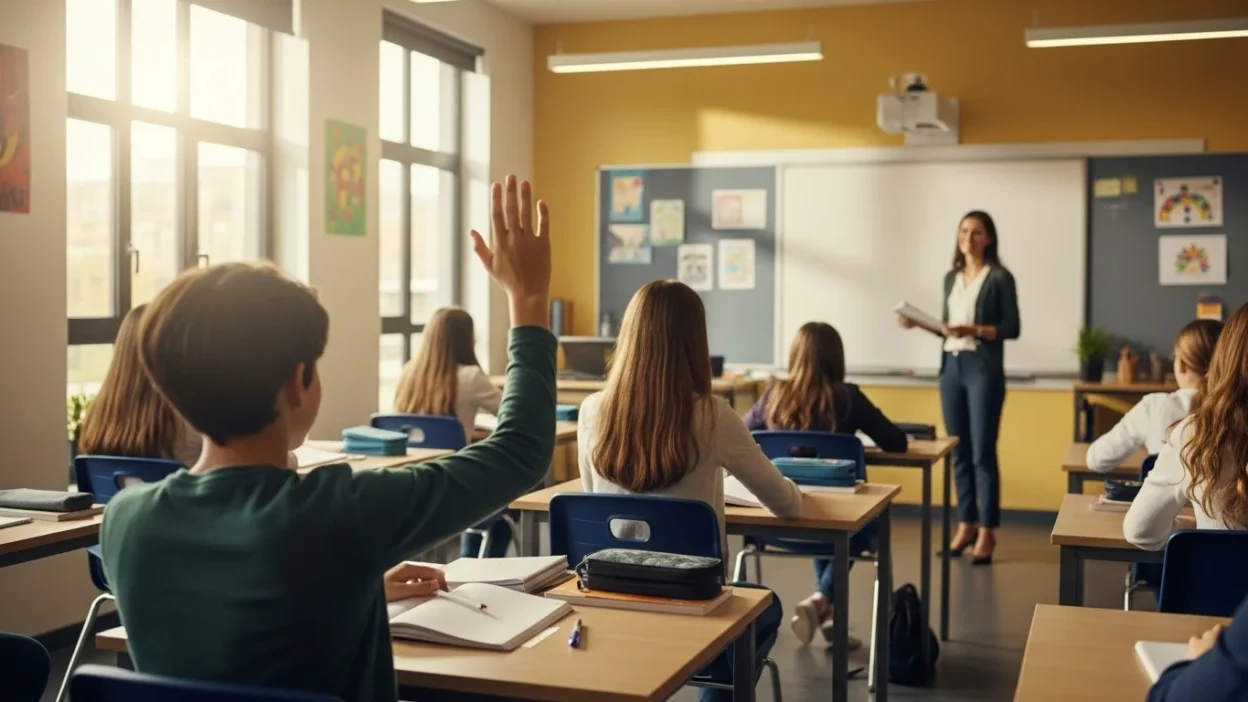
A classroom thrives on structure, respect, and cooperation. Strong classroom etiquette helps students and teachers create a productive, distraction-free environment. Because learning requires focus and mutual understanding, small behavioral choices significantly influence academic success.
Moreover, proper classroom etiquette builds discipline, improves communication, and strengthens peer relationships.
When students act responsibly and respectfully, teachers can teach effectively, and classmates can learn comfortably. Whether in elementary school, university, or online learning, etiquette remains essential.
This guide explains clear expectations, practical habits, and common mistakes to avoid in academic settings.
What Is Classroom Etiquette?
Classroom etiquette refers to respectful behavior, communication, and participation within a learning environment.
Why Classroom Etiquette Matters
- Improves concentration
- Encourages mutual respect
- Reduces disruptions
- Supports academic success
Good manners create better learning conditions.
Arriving Prepared and On Time
Punctuality shows responsibility.
Being Ready for Class
Preparation demonstrates seriousness.
Best practices
- Arrive before class begins
- Bring required materials
- Complete assignments on time
Prepared students reflect strong classroom etiquette.
Listening Attentively
Attention supports understanding.
Showing Active Listening
Focus improves retention.
Listening habits
- Maintain eye contact
- Avoid side conversations
- Take organized notes
Respectful listening strengthens classroom etiquette.
Speaking and Participation
Participation requires balance.
Raising Hands and Taking Turns
Order keeps discussions productive.
Participation tips
- Raise your hand before speaking
- Avoid interrupting others
- Stay on topic
Controlled communication supports learning.
Respecting Teachers and Classmates
Respect builds a safe environment.
Demonstrating Courtesy
Kindness enhances collaboration.
- Use polite language
- Avoid mocking or teasing
- Appreciate diverse opinions
Classroom etiquette thrives on inclusion.
Technology Etiquette
Devices can distract easily.
Using Technology Responsibly
Digital discipline matters.
Tech guidelines
- Keep phones silent
- Use laptops only for class tasks
- Avoid texting during lessons
Responsible device use reflects proper classroom etiquette.
Group Work Etiquette
Teamwork requires fairness.
Contributing Equally
Collaboration strengthens outcomes.
Group rules
- Share responsibilities
- Listen to others’ ideas
- Meet deadlines
Cooperation defines effective classroom etiquette.
Asking Questions Properly
Curiosity supports learning.
When and How to Ask
Timing and tone matter.
Question etiquette
- Ask relevant questions
- Wait for appropriate moments
- Avoid repetitive interruptions
Thoughtful inquiry improves understanding.
Classroom Etiquette in Online Learning
Virtual spaces require extra awareness.
Digital Classroom Manners
Online learning needs structure.
Online guidelines
- Mute microphone when not speaking
- Dress appropriately
- Use respectful chat language
Digital courtesy mirrors in-person classroom etiquette.
Handling Disagreements Respectfully
Different opinions are normal.
Managing Conflict Maturely
Debate without disrespect.
Conflict etiquette
- Stay calm
- Avoid personal attacks
- Accept constructive feedback
Professional behavior strengthens classroom culture.
Cleanliness and Shared Space
Shared spaces require care.
Maintaining Order
Respect the environment.
Clean habits
- Keep desk area tidy
- Dispose of trash properly
- Return borrowed materials
Orderliness supports learning comfort.
Common Classroom Etiquette Mistakes
Avoid these behaviors.
Frequent Issues
- Talking over others
- Using phones excessively
- Arriving late repeatedly
- Ignoring instructions
Awareness prevents disruptions.
Classroom Etiquette Dos and Don’ts
| Do | Don’t |
|---|---|
| Arrive on time | Enter late without reason |
| Listen actively | Interrupt others |
| Participate respectfully | Dominate discussions |
| Keep devices silent | Text during class |
Real-Life Classroom Etiquette Examples
Example: Group Discussion
A student waits patiently before sharing thoughts.
Example: Lecture Setting
Students silence phones and take notes attentively.
Example: Online Class
Participants mute microphones and use chat respectfully.
Each situation demonstrates proper classroom etiquette.
Why Classroom Etiquette Enhances Success
Behavior influences outcomes.
Long-Term Benefits
- Improved academic performance
- Stronger teacher relationships
- Better peer collaboration
- Increased confidence
Respectful habits support lifelong learning.
Final Thoughts on Classroom Etiquette
Classroom etiquette creates a structured, respectful, and productive learning environment.
By arriving prepared, listening actively, participating thoughtfully, and respecting shared spaces, students contribute positively to academic success.
Ultimately, classroom etiquette builds discipline and professionalism. When students practice consistent courtesy and responsibility, education becomes more effective and enjoyable for everyone involved.
FAQ,s
What is basic classroom etiquette?
Arriving prepared, listening attentively, and respecting others.
Is using a phone in class rude?
Yes, unless permitted for academic purposes.
Why is punctuality important in class?
It prevents disruption and shows responsibility.
How should students participate in discussions?
By raising hands and speaking respectfully.
What is online classroom etiquette?
Muting microphones, staying focused, and communicating politely.
Why does classroom etiquette matter?
It improves learning and creates a positive environment.

Theo Blackmere is an American writer focused on etiquette and professional communication. He contributes insightful, well structured content to Etiquify. His writing emphasizes respect, clarity, and modern social awareness across personal and professional interactions.