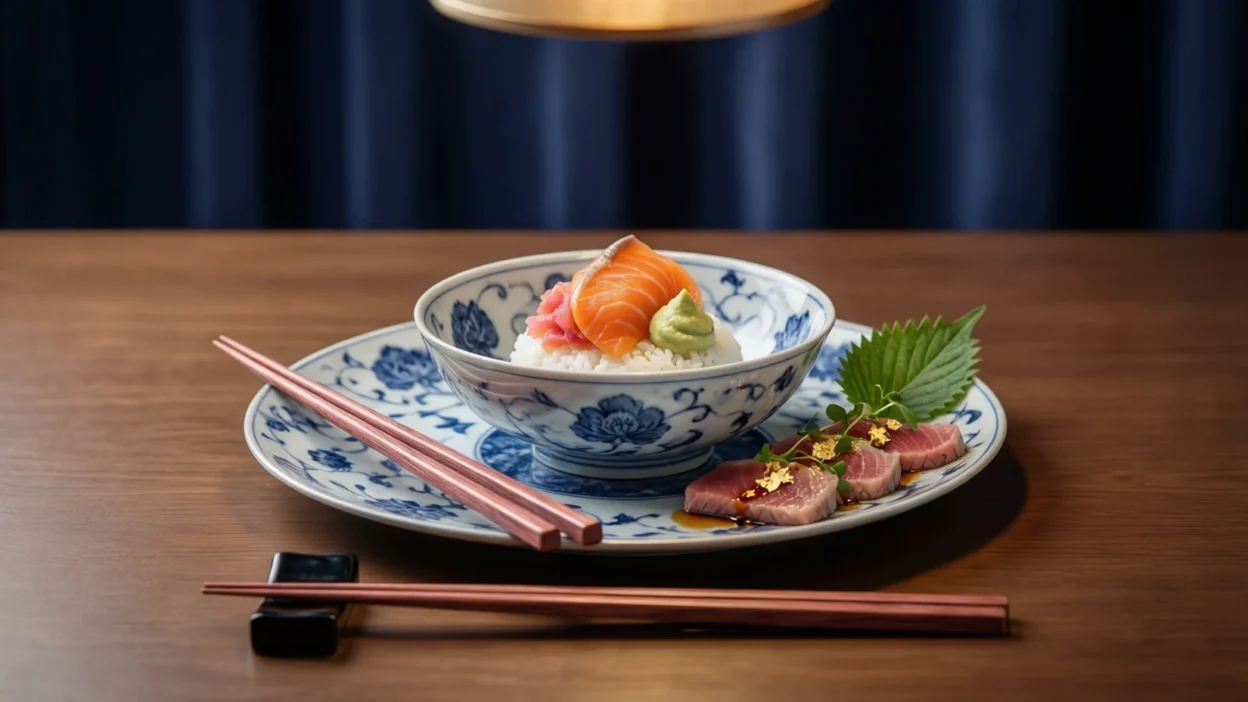
Chopstick etiquette refers to the traditional rules and respectful practices associated with using chopsticks during meals.
These customs are deeply rooted in East Asian cultures, particularly in China, Japan, Korea, and Vietnam.
Because chopsticks carry cultural and symbolic meaning, improper use may appear disrespectful.
As a result, learning proper chopstick etiquette helps diners show respect for traditions while enjoying meals confidently in both formal and casual settings.
What Chopstick Etiquette Means
Respect for Cultural Traditions
Chopsticks represent history, values, and social norms.
Mindful Dining Behavior
How chopsticks are handled reflects awareness and courtesy.
Consideration for Others
Proper use maintains comfort at the table.
Why Chopstick Etiquette Is Important
Shows Cultural Awareness
Correct behavior demonstrates respect and sensitivity.
Prevents Social Discomfort
Understanding rules avoids awkward moments.
Enhances Dining Experience
Confidence improves enjoyment and interaction.
Basic Chopstick Etiquette Rules
Hold Chopsticks Correctly
Proper grip improves control and appearance.
Use Chopsticks Gently
Quiet handling reflects good manners.
Keep Chopsticks Clean
Clean usage supports hygiene and respect.
Chopstick Etiquette Dos and Don’ts
| Do | Don’t |
|---|---|
| Place chopsticks neatly | Stick them upright in rice |
| Use serving utensils | Use personal chopsticks to serve |
| Rest chopsticks properly | Lay them across bowls |
| Pick up food carefully | Spear food |
| Handle with care | Wave chopsticks while talking |
Common Chopstick Etiquette Mistakes
Sticking Chopsticks in Rice
This resembles funeral rituals and is disrespectful.
Passing Food Chopstick to Chopstick
This gesture is linked to cremation customs.
Pointing with Chopsticks
Pointing appears rude and aggressive.
Chopstick Etiquette in Different Cultures
Chinese Dining Etiquette
Sharing dishes requires careful use of serving chopsticks.
Japanese Dining Etiquette
Silence and precision are especially valued.
Korean Dining Etiquette
Chopsticks are often paired with spoons for balance.
Chopstick Etiquette in Formal Settings
Business Meals
Proper chopstick use reflects professionalism.
Ceremonial Dinners
Strict etiquette is often expected.
Dining with Elders
Respectful handling matters greatly.
Chopstick Etiquette for Beginners
Practice Before Dining
Confidence reduces mistakes.
Observe Others
Watching locals provides helpful guidance.
Ask Politely
Questions show respect and willingness to learn.
Teaching Chopstick Etiquette to Children
Start with Basics
Simple rules build understanding.
Encourage Respect
Explain cultural meaning gently.
Practice at Home
Familiarity improves comfort.
Frequently Asked Questions
What is chopstick etiquette?
Chopstick etiquette refers to respectful rules for using chopsticks during meals.
Why should chopsticks not be placed upright in rice?
It symbolizes funeral rituals and is considered disrespectful.
Is it rude to point with chopsticks?
Yes. Pointing with chopsticks is impolite.
Can chopsticks be used to serve food?
Only if serving chopsticks are provided.
Does chopstick etiquette differ by country?
Yes. Customs vary across Asian cultures.
Conclusion
Chopstick etiquette plays an important role in respectful dining across many Asian cultures.
While the rules may seem detailed, they exist to promote harmony, cleanliness, and cultural respect at the table.
Learning proper etiquette helps diners feel confident while avoiding unintentional offense.
Moreover, understanding chopstick etiquette reflects curiosity, humility, and global awareness.
Whether dining abroad, attending a formal meal, or enjoying local cuisine, these practices enhance both the experience and social connection.
Ultimately, respectful chopstick use turns a simple meal into a meaningful cultural exchange.

Caleb Rowan is an American content writer with a strong interest in social and digital etiquette. He creates thoughtful, approachable articles for Etiquify. His writing helps readers navigate modern conversations with professionalism, balance, and empathy.