
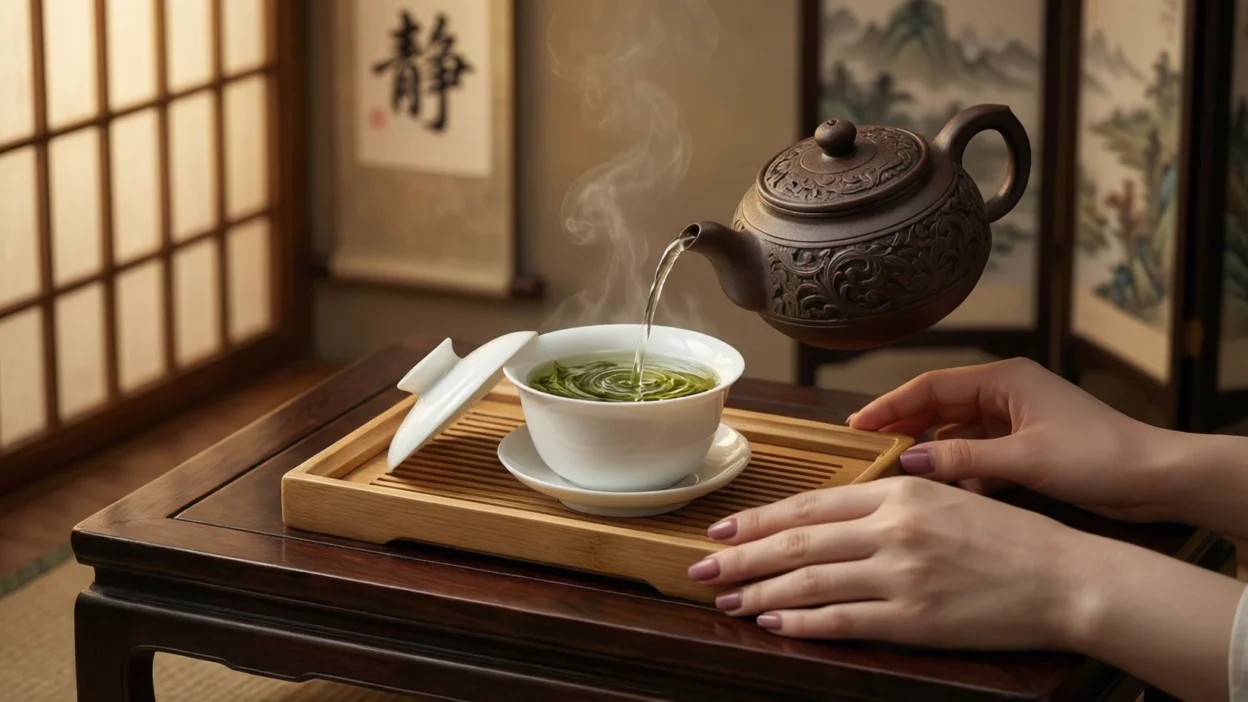
Chinese culture values respect, harmony, and tradition. Therefore, understanding Chinese etiquette becomes essential for visitors, professionals, and students alike.
Moreover, etiquette in China reflects deep cultural history. As a result, small actions often carry great meaning.
Additionally, Chinese etiquette influences greetings, dining, gift-giving, and communication. Consequently, polite behavior helps avoid misunderstandings.
Furthermore, showing respect builds trust and goodwill. Ultimately, learning Chinese etiquette allows smoother interactions and meaningful cultural connections.
What Is Chinese Etiquette?
Simple Explanation
Chinese etiquette refers to traditional rules that guide respectful behavior in Chinese society.
Cultural Foundation
These manners emphasize hierarchy and harmony. Therefore, politeness remains central in all interactions.
Why Chinese Etiquette Matters
Respect And Harmony
Firstly, etiquette maintains harmony. Therefore, conflict is minimized.
Cultural Appreciation
Moreover, following etiquette shows respect for tradition. Consequently, relationships strengthen.
Positive Impressions
Additionally, good manners create trust. As a result, interactions feel welcoming.
Greeting Etiquette In China
Proper Greetings
A polite nod or handshake is common. Therefore, greetings remain respectful.
Using Titles
Address people by titles and surnames. Consequently, formality is preserved.
Dining Etiquette In China
Table Manners
Wait to be seated. Therefore, hosts maintain control.
Chopstick Rules
Never stick chopsticks upright in rice. Consequently, symbolism is respected.
Gift-Giving Etiquette
Choosing Appropriate Gifts
Gifts should be thoughtful and modest. Therefore, avoid luxury excess.
How Gifts Are Given
Offer gifts with both hands. Consequently, respect is clearly shown.
Communication Etiquette
Speaking Style
Speak calmly and indirectly. Therefore, conversations remain polite.
Saving Face
Avoid public criticism. Consequently, dignity stays intact.
Business Etiquette In China
Professional Introductions
Exchange business cards with both hands. Therefore, professionalism is displayed.
Meeting Conduct
Punctuality matters greatly. Consequently, meetings run smoothly.
Public Behavior Etiquette
Queue Respect
Lines are important. Therefore, wait patiently.
Volume Awareness
Speak softly in public. Consequently, courtesy is maintained.
Common Chinese Etiquette Mistakes
Frequent Errors
Using first names and refusing gifts directly are common mistakes. Additionally, rushing conversations feels impolite.
How To Avoid Them
Observe locals carefully. Moreover, remain patient and respectful.
Benefits Of Following Chinese Etiquette
Cultural Acceptance
Firstly, locals respond positively. Secondly, trust develops.
Better Experiences
Moreover, etiquette enhances travel and business success. As a result, interactions feel authentic.
Frequently Asked Questions About Chinese Etiquette
Is bowing required in China?
No, a polite nod or handshake is sufficient.
Are gifts expected in China?
Yes, especially during visits or celebrations.
Is punctuality important in China?
Yes, being late is considered disrespectful.
Should tourists learn basic Chinese phrases?
Yes, effort is appreciated.
Are table manners important in China?
Yes, dining etiquette is taken seriously.
Is loud behavior acceptable in public?
No, quiet behavior is preferred.
Final Thoughts
Chinese etiquette represents respect, tradition, and harmony. Therefore, understanding these customs improves communication and trust. Moreover, polite behavior opens cultural and professional doors.
As a result, learning Chinese etiquette helps visitors and professionals build meaningful relationships while honoring one of the world’s oldest and richest cultures.

Evan Whitmore is an American writer focused on modern etiquette and communication. He contributes practical, reader friendly content to Etiquify. His work emphasizes respect, clarity, and confidence in everyday personal and professional interactions.