
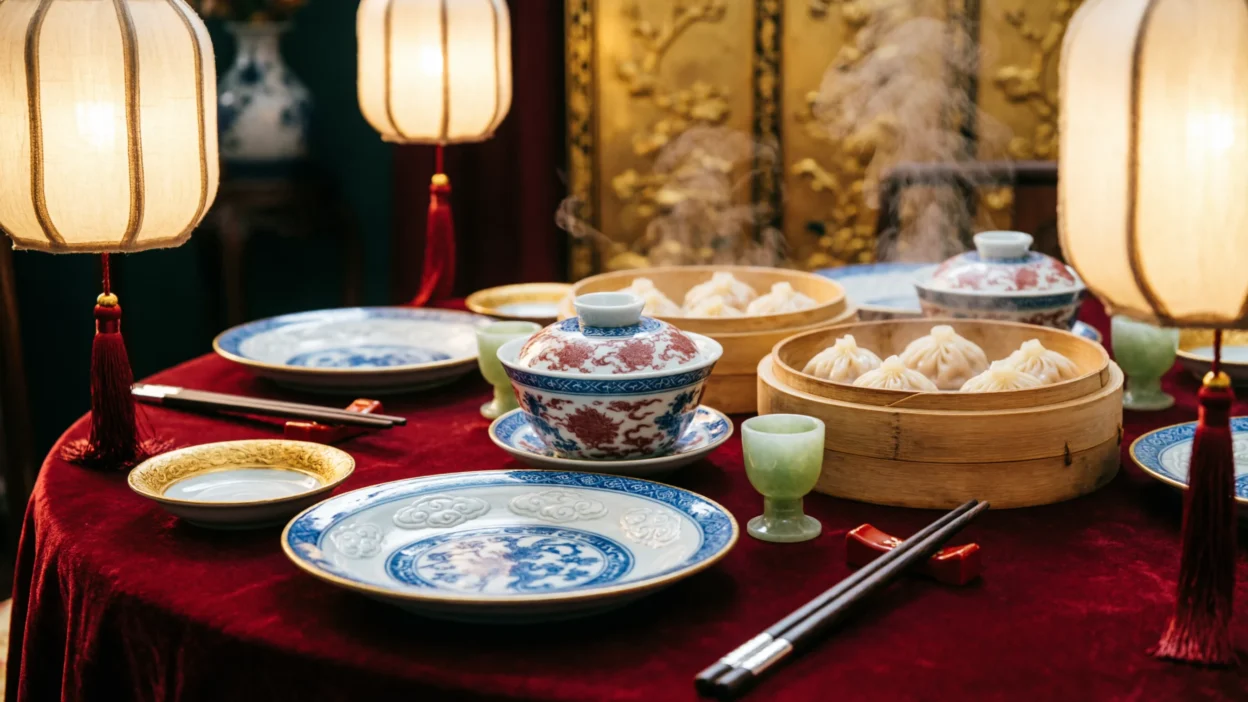
Chinese dining etiquette reflects centuries of cultural tradition, respect, and symbolism.
Because meals are social experiences rather than individual events, understanding proper behavior ensures harmony at the table.
Therefore, learning key customs helps you show appreciation and cultural awareness when dining in China or with Chinese hosts abroad.
Moreover, small gestures often carry significant meaning.
The Importance Of Respect And Hierarchy
In Chinese culture, hierarchy influences seating, serving, and even who begins eating.
Wait For The Host
Always wait for the host — or the eldest person — to start the meal first. Starting early may appear disrespectful.
Seating Arrangements Matter
The most honored guest typically sits facing the entrance. Because seating reflects status, follow guidance rather than choosing your own place.
Chopstick Etiquette Rules
Chopsticks require special attention.
Never Stick Chopsticks Upright
Placing chopsticks vertically in rice resembles incense used at funerals and is considered bad luck.
Do Not Point Or Wave
Avoid gesturing with chopsticks or tapping bowls. Instead, rest them neatly on a chopstick holder.
Use Serving Utensils
When available, use communal chopsticks for shared dishes.
Sharing Dishes Properly
Meals are communal.
Take Modest Portions
Although dishes are shared, avoid taking the last piece without offering it to others first.
Leave A Little Food
Finishing everything may signal that the host did not provide enough. Leaving a small amount can show satisfaction.
Tea And Beverage Etiquette
Tea plays an important role in dining.
In cities like Beijing and Shanghai, tea service remains central to hospitality.
Tap To Say Thank You
When someone refills your tea, lightly tap two fingers on the table as a quiet gesture of thanks.
Do Not Pour Your Own First
Allow elders or the host to be served before filling your own cup.
Toasting Traditions
Toasts are common at banquets.
Say “Ganbei”
During formal meals, guests may say “Ganbei,” meaning “dry cup.” However, you are not always required to finish your drink completely.
When clinking glasses, lower your glass slightly below that of a senior person to show respect.
Dining Pace And Manners
Pace yourself.
Eat Calmly
Although meals are lively, avoid rushing. Balanced pacing shows refinement.
Avoid Loud Behavior
Slurping is acceptable for certain dishes like noodles; however, excessive noise should still be avoided.
Paying The Bill
In China, hosts typically insist on paying.
Arguing politely over the bill may occur, yet the inviter usually covers the cost. Offering once or twice is courteous, but persistent insistence can create discomfort.
Common Chinese Dining Etiquette Mistakes
Avoid these common errors:
- Sticking chopsticks upright
- Refusing dishes repeatedly
- Starting before elders
- Taking excessive portions
- Ignoring toasting customs
Cultural awareness prevents embarrassment.
Why Chinese Dining Etiquette Matters
Dining customs in China emphasize harmony, gratitude, and social balance. Because meals symbolize unity, respectful behavior strengthens relationships. Furthermore, proper etiquette demonstrates appreciation for tradition and hospitality.
Understanding these customs shows cultural intelligence in both personal and professional settings.
Final Thoughts On Chinese Dining Etiquette
Chinese dining etiquette is rooted in respect, symbolism, and shared experience.
When you observe seating hierarchy, handle chopsticks properly, and follow the host’s lead, you demonstrate thoughtful cultural awareness.
Moreover, participating in toasts and tea traditions enhances connection and mutual appreciation.
Because meals often serve as opportunities to build trust, practicing correct etiquette leaves a lasting positive impression.
Ultimately, mindful dining behavior transforms a simple meal into a meaningful cultural exchange grounded in tradition and respect.
FAQ,s
Is it rude to finish all the food?
Leaving a small amount can show satisfaction.
Can I start eating immediately?
No, wait for the host or eldest person.
What does “Ganbei” mean?
It means “dry cup” and is used during toasts.
Should I tip in China?
Tipping is not traditionally expected in most areas.
Can I use my own chopsticks for shared dishes?
Use serving utensils when available.
Is slurping acceptable?
For some dishes like noodles, mild slurping is acceptable.

Theo Blackmere is an American writer focused on etiquette and professional communication. He contributes insightful, well structured content to Etiquify. His writing emphasizes respect, clarity, and modern social awareness across personal and professional interactions.