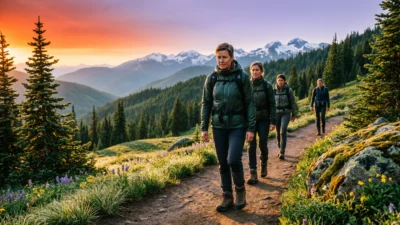
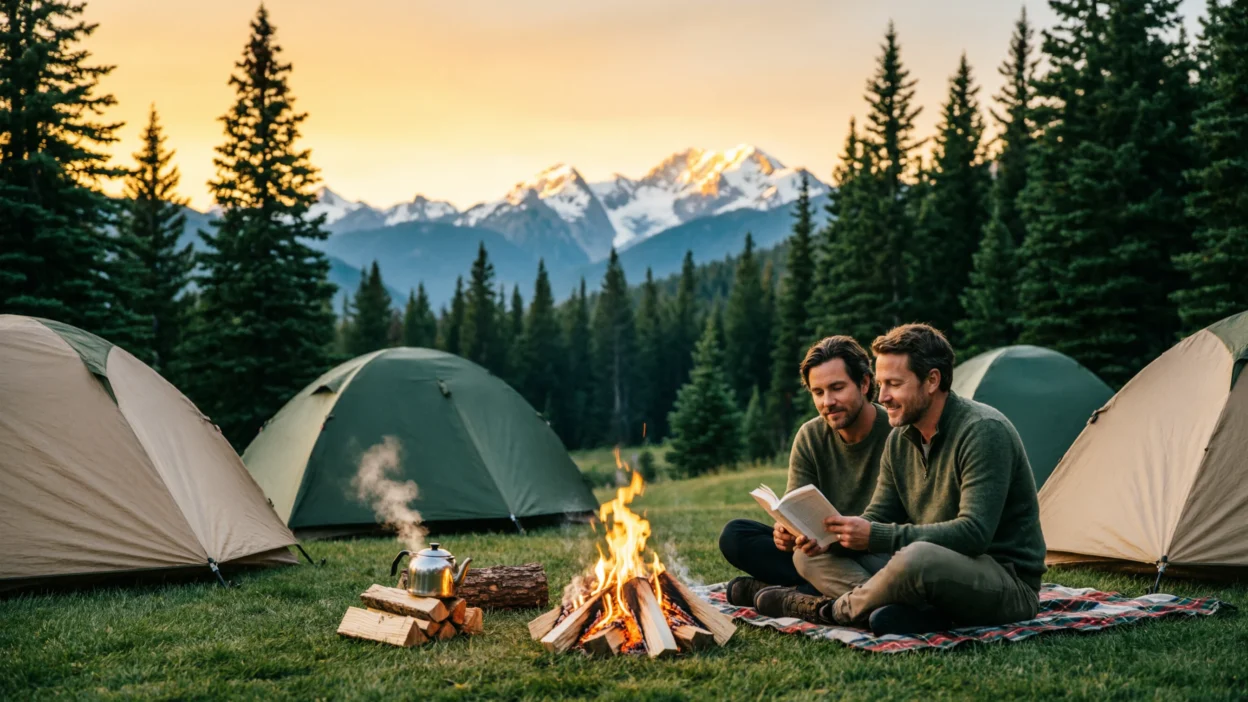
Camping offers freedom, fresh air, and a deep connection with nature. However, that experience improves greatly when everyone follows camping etiquette.
Shared campgrounds, trails, and wilderness areas depend on mutual respect. Without proper manners, noise, litter, and careless behavior can quickly ruin the experience for others.
Moreover, camping etiquette protects not only people but also wildlife and natural landscapes. Thoughtful campers leave places better than they found them.
Whether you are camping for the first time or returning regularly, understanding camping etiquette helps create peaceful, safe, and enjoyable outdoor experiences for everyone around you.
This guide explains practical rules, real-life examples, dos and don’ts, and clear advice so you can camp responsibly and confidently.
What Is Camping Etiquette?
Camping etiquette refers to respectful behaviors that campers should follow in shared outdoor spaces.
Why Camping Etiquette Matters
- Protects natural environments
- Respects fellow campers
- Reduces conflicts
- Improves overall camping experiences
Because nature is shared, etiquette ensures harmony.
Respecting Quiet Hours
Noise control is essential outdoors.
Keeping Noise at a Respectful Level
Sound travels far in nature.
Good practices
- Follow campground quiet hours
- Keep music low or use headphones
- Lower voices at night
Quiet behavior reflects strong camping etiquette.
Campfire Etiquette
Fires require responsibility.
Safe and Polite Campfire Behavior
- Use designated fire pits
- Keep fires small
- Extinguish completely before sleeping
Careless fires damage nature and violate camping etiquette.
Cleanliness and Waste Disposal
Leave no trace behind.
Proper Waste Management
- Pack out all trash
- Use designated waste areas
- Never leave food scraps
Clean campsites show respect for others and the environment.
Respecting Campsite Boundaries
Every camper deserves space.
Staying Within Your Area
- Do not walk through others’ campsites
- Keep pets under control
- Maintain privacy
Respecting boundaries is core to camping etiquette.
Wildlife Etiquette While Camping
Wildlife should remain wild.
How to Interact With Animals
- Never feed wildlife
- Store food securely
- Observe from a distance
Responsible behavior protects animals and campers alike.
Trail and Shared Area Etiquette
Trails are communal spaces.
Proper Trail Behavior
- Yield appropriately on trails
- Stay on marked paths
- Avoid blocking walkways
Shared spaces depend on courteous camping etiquette.
Camping Etiquette for Group Camping
Groups need extra awareness.
Managing Group Behavior
- Limit group noise
- Keep shared areas clean
- Coordinate activities respectfully
Group cooperation prevents disturbances.
Nighttime Camping Etiquette
Evenings require extra care.
Being Considerate After Dark
- Use soft lighting
- Avoid loud conversations
- Secure food and gear quietly
Night manners improve everyone’s rest.
Common Camping Etiquette Mistakes
Avoiding mistakes makes a big difference.
Mistakes to Avoid
- Playing loud music
- Leaving trash behind
- Ignoring quiet hours
- Feeding wildlife
Awareness strengthens camping etiquette habits.
Camping Etiquette Dos and Don’ts
| Do | Don’t |
|---|---|
| Respect quiet hours | Play loud music |
| Clean your site | Leave trash |
| Control pets | Let pets roam |
| Follow rules | Ignore signage |
Real-Life Camping Etiquette Examples
Example: Busy Campground
You lower music volume, clean your site, and respect quiet hours.
Example: Family Camping Trip
Children are guided to respect other campers’ space.
Example: Wildlife Encounter
Food is secured, and animals are observed quietly from afar.
Each example reflects good camping etiquette in action.
Why Camping Etiquette Preserves Nature
Etiquette protects shared spaces.
Long-Term Benefits
- Cleaner campgrounds
- Safer wildlife
- Better camper relationships
- Sustainable outdoor enjoyment
Responsible behavior keeps nature welcoming.
Final Thoughts on Camping Etiquette
Camping etiquette is about respect for nature, fellow campers, and shared spaces. By managing noise, cleaning up properly, respecting boundaries, and protecting wildlife, you help preserve outdoor experiences for everyone.
These habits create peaceful campsites and lasting positive memories.
Ultimately, good camping etiquette ensures that future campers can enjoy the same beauty, calm, and connection that draw people outdoors in the first place.
FAQ,s
What is basic camping etiquette?
It includes noise control, cleanliness, and respect for others’ space.
Should music be played while camping?
Yes, but only at low volumes and within quiet hours.
Is it okay to feed wildlife at campsites?
No, feeding wildlife is unsafe and discouraged.
How do you respect other campers?
Keep noise low, stay within boundaries, and clean your area.
Why is camping etiquette important?
It protects nature and ensures enjoyable experiences for all campers.
Does camping etiquette apply to all campgrounds?
Yes, etiquette applies in public, private, and wilderness camping areas.

Theo Blackmere is an American writer focused on etiquette and professional communication. He contributes insightful, well structured content to Etiquify. His writing emphasizes respect, clarity, and modern social awareness across personal and professional interactions.