
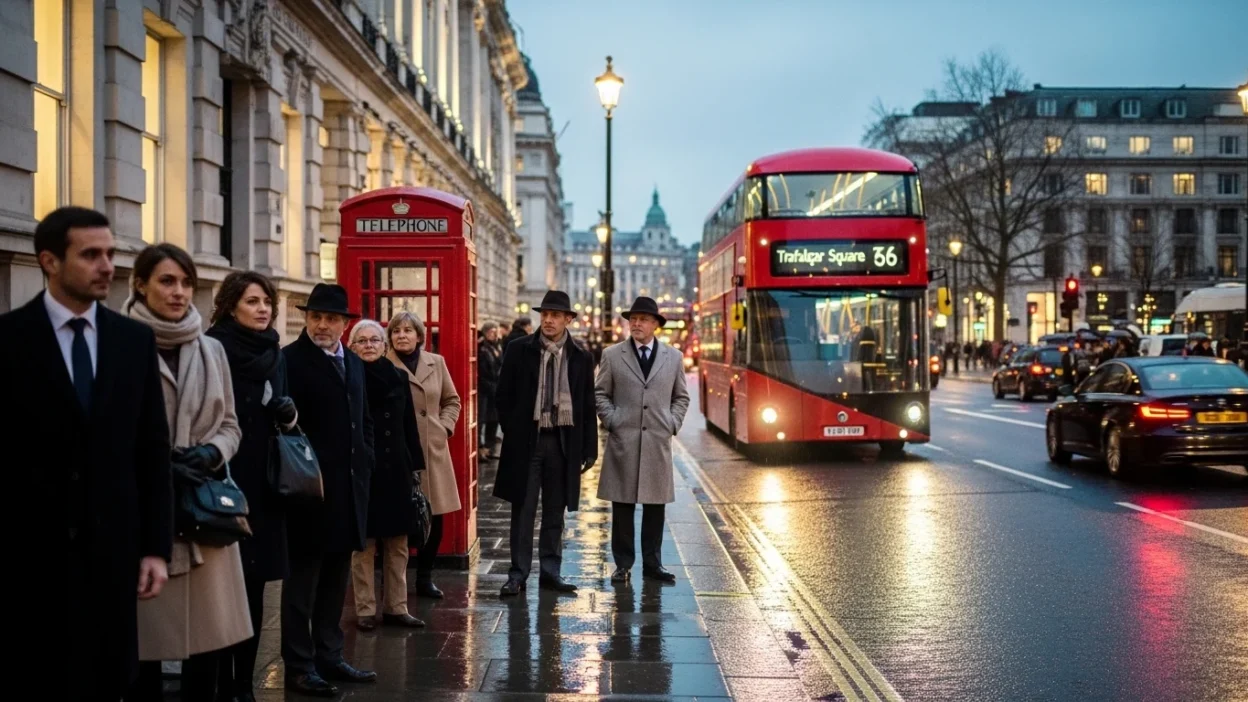
British culture values politeness, subtlety, and respect in everyday interactions. Therefore, understanding proper British etiquette helps you communicate smoothly and avoid awkward situations.
Moreover, social behavior in the UK often focuses on manners, personal space, and indirect communication. When you follow clear British etiquette, you show respect for traditions while building positive relationships.
Additionally, whether you visit the UK or interact with British people, practicing strong British etiquette helps you feel confident and culturally aware. As a result, your interactions become more natural and respectful.
Why British Etiquette Matters
Politeness plays a central role in British society. Therefore, small actions often carry significant meaning.
Good British etiquette helps:
- Show respect in social situations
- Avoid misunderstandings
- Build trust and rapport
- Create a positive impression
- Navigate formal and informal settings
Because manners matter deeply, etiquette shapes everyday interactions.
Always Say “Please” and “Thank You”
Politeness begins with simple words. Therefore, using them frequently reflects strong British etiquette.
Everyday Examples
- “Please” when making requests
- “Thank you” after receiving help
- “Sorry” even for minor inconveniences
These expressions appear often in British conversations.
Respect Personal Space
British people value personal boundaries. Therefore, maintaining space becomes essential.
Helpful tips include:
- Avoid standing too close
- Respect queues and lines
- Limit physical contact
Respecting space shows proper British etiquette.
Queue Properly
Queuing remains one of the most important parts of British culture. Therefore, cutting in line is considered very rude.
Queue Etiquette
- Always join the end of the line
- Wait patiently for your turn
- Avoid complaining loudly
Following this rule demonstrates strong British etiquette.
Practice Indirect Communication
British communication often feels subtle and polite. Therefore, people may avoid direct statements.
Examples include:
- Saying “Perhaps” instead of “No”
- Using soft language to disagree
- Avoiding confrontation
Understanding this style improves your British etiquette.
Table Manners Matter
Dining behavior reflects social awareness. Therefore, proper table manners remain important.
Dining Etiquette
- Keep elbows off the table
- Use utensils correctly
- Wait until everyone is served
Good table manners reflect classic British etiquette.
Dress Appropriately
Appearance often reflects respect for the occasion. Therefore, dressing properly matters.
Helpful guidelines:
- Wear formal attire for formal events
- Choose neat and clean clothing
- Avoid overly casual outfits in professional settings
Dressing well supports proper British etiquette.
Be Punctual
Timekeeping is highly valued. Therefore, arriving late can create a negative impression.
Good habits include:
- Arriving on time or slightly early
- Informing others if you are late
- Respecting schedules
Punctuality reflects strong British etiquette.
Avoid Loud Behavior
British culture often values calm and quiet behavior. Therefore, loud actions may feel inappropriate.
Avoid:
- Speaking too loudly in public
- Drawing unnecessary attention
- Interrupting conversations
Calm behavior aligns with British etiquette.
Mind Your Manners in Public
Public behavior reflects personal character. Therefore, showing respect in shared spaces matters.
Examples include:
- Holding doors open for others
- Offering seats when needed
- Speaking politely to strangers
These small actions define good British etiquette.
Common British Etiquette Mistakes
Many visitors misunderstand certain behaviors.
Avoid these mistakes:
- Skipping polite phrases
- Ignoring queues
- Being overly direct
- Standing too close
Avoiding these improves your British etiquette quickly.
Quick British Etiquette Checklist
| Situation | Proper Action |
|---|---|
| Greeting | Be polite and friendly |
| Queueing | Wait your turn |
| Conversation | Speak calmly |
| Dining | Follow table manners |
| Public behavior | Show respect |
This checklist helps maintain strong British etiquette daily.
Final Thoughts
Understanding cultural behavior helps create better interactions. Therefore, practicing proper British etiquette ensures respectful, polite, and smooth communication in any setting.
Moreover, simple habits such as saying “please,” respecting queues, and maintaining calm behavior make a lasting impression. Ultimately, when you follow strong British etiquette, you show respect for tradition and build meaningful connections.
FAQs
What is British etiquette
British etiquette refers to polite behavior, respect, and proper manners in social and public situations.
Why is politeness important in British culture
Politeness helps maintain respect, avoid conflict, and create positive interactions.
Is queueing really important in the UK
Yes, respecting queues is a key part of British etiquette and is taken seriously.
How should I behave in public places
Stay calm, speak politely, and respect others’ space and privacy.
What are common British etiquette mistakes
Being too direct, skipping polite words, and ignoring queues are common mistakes.
Is punctuality important in the UK
Yes, arriving on time shows respect and professionalism.

Caleb Rowan is an American content writer with a strong interest in social and digital etiquette. He creates thoughtful, approachable articles for Etiquify. His writing helps readers navigate modern conversations with professionalism, balance, and empathy.