
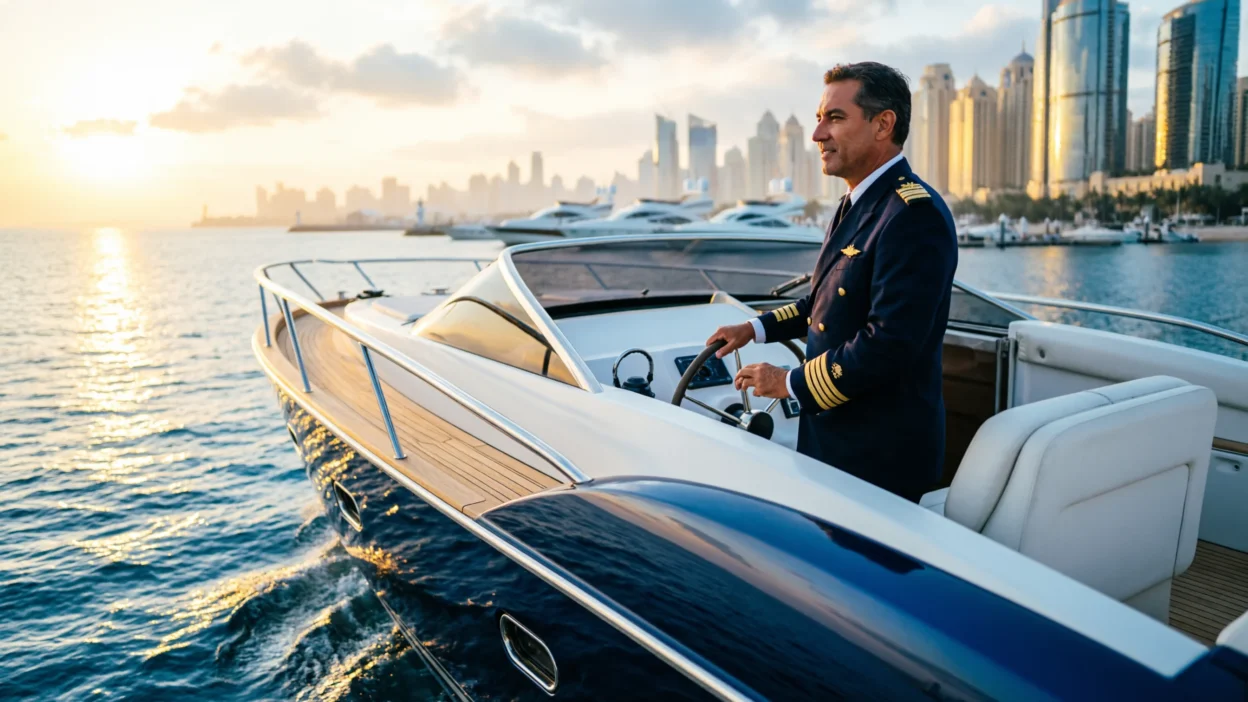
Boating etiquette ensures safety, respect, and enjoyment for everyone on the water.
Whether you’re cruising on a lake, navigating a marina, or exploring coastal waters in places like United States or Australia, proper conduct protects both people and the marine environment.
Therefore, understanding basic boating manners is essential before setting sail. Moreover, courteous behavior creates smoother experiences for all boaters.
Respect Right-Of-Way Rules
Safety always comes first.
Learn Navigation Priorities
Different vessels have different rights-of-way. For example, sailboats under sail typically have priority over powerboats.
Avoid Cutting Across
Never cross closely in front of another boat. Instead, maintain a safe distance and predictable course.
Control Your Wake
Your wake affects others more than you think.
Slow Down Near Docks
Reduce speed in marinas and no-wake zones. Large wakes can damage smaller boats and shoreline property.
Be Mindful Of Kayakers
Paddleboarders and kayakers are especially vulnerable, so pass them slowly and carefully.
Docking Courtesy
Marinas require patience and teamwork.
Prepare Before Arriving
Have lines and fenders ready in advance. This preparation prevents chaos and stress.
Keep Noise Low
Once docked, lower music and avoid loud conversations, especially at night.
Respect Fishing Boats
Fishing vessels often have lines in the water.
Give Them Space
Cutting too close may tangle lines and cause conflict.
Avoid Disturbing Activity
Pass quietly and reduce wake near active fishing areas.
Environmental Responsibility
Protecting waterways is a shared duty.
Dispose Of Waste Properly
Never throw trash overboard. Use designated marina facilities.
Prevent Fuel Spills
Refuel carefully and clean up immediately if spills occur.
In protected waters near places like Miami or Sydney, environmental enforcement can be strict.
Sound Signals And Communication
Clear communication prevents accidents.
Use Horn Signals Correctly
Learn standard boating sound signals before operating a vessel.
Stay Alert
Keep a proper lookout at all times, especially in crowded waterways.
Alcohol And Boating
Safety should never be compromised.
Boat Sober
Operating a boat under the influence is illegal in many regions and highly dangerous.
Designate A Responsible Operator
If alcohol is present onboard, ensure someone sober is in control.
Anchoring Etiquette
Anchoring also requires awareness.
Maintain Adequate Distance
Do not anchor too close to another vessel.
Respect Swing Radius
Boats move with wind and current, so leave enough space.
Common Boating Etiquette Mistakes
Avoid these frequent errors:
- Ignoring no-wake zones
- Playing loud music late at night
- Leaving trash behind
- Blocking boat ramps
- Cutting across other vessels
Small oversights can quickly escalate into serious problems.
Why Boating Etiquette Matters
Waterways are shared spaces. Because boats operate without brakes like cars, mutual awareness and courtesy are critical. Furthermore, responsible behavior protects wildlife, preserves property, and enhances safety. When boaters act thoughtfully, everyone enjoys a smoother, safer journey.
Final Thoughts On Boating Etiquette
Boating etiquette blends safety, awareness, and respect. By controlling your wake, honoring right-of-way rules, and maintaining environmental responsibility, you contribute to a culture of cooperation on the water.
Additionally, quiet docking behavior and sober operation demonstrate maturity and professionalism. Since waterways belong to everyone, courteous navigation builds trust among boaters.
Ultimately, proper boating etiquette ensures that every trip remains enjoyable, safe, and memorable for all involved.
FAQ,s
Who has right-of-way on the water?
Generally, non-powered vessels have priority, but always verify local navigation rules.
What is a no-wake zone?
It is an area where boats must travel slowly to prevent large waves.
Is drinking allowed while boating?
Passengers may drink in some regions, but the operator must remain sober.
How far should I anchor from others?
Maintain enough space to allow for wind and current movement.
Why is wake control important?
Large wakes can damage docks, boats, and shoreline property.
Should I play loud music while docked?
No, keep noise respectful, especially during nighttime hours.

Evan Whitmore is an American writer focused on modern etiquette and communication. He contributes practical, reader friendly content to Etiquify. His work emphasizes respect, clarity, and confidence in everyday personal and professional interactions.